


Living to 100 Years Old: What You Really Should Know

Seraphina Therapeutics's Highlights
- Living to 100 is less about genetics and more about preserving healthspan through consistent, sustainable habits that support metabolic, cellular, and brain health over decades.
- Long-lived people tend to share simple, repeatable patterns which include regular movement, whole-food nutrition, strong social ties, effective stress recovery, and daily purpose, rather than extreme or restrictive routines.
- In Blue Zones, where people routinely live to be over 100 years old, it has been found that residents have higher levels of a nutrient called C15:0, which has broad cellular benefits and can support our long-term health and wellness.
Reaching 100 used to be a rare feat, the kind of milestone that made the local paper and inspired wide-eyed fascination. Today, it’s still remarkable, but it’s no longer unimaginable. Advances in medicine, sanitation, nutrition, and public health have pushed average life expectancy higher than ever before.
Still, the idea of living to 100 often comes wrapped in myths. Some people assume it’s purely genetic luck, while others picture extreme diets, rigid routines, or joyless self-denial.
The truth is more nuanced and far more encouraging. Longevity is influenced by genetics, yes, but lifestyle, environment, social connections, and metabolic health play enormous roles. And while no one can guarantee a century of life, there’s a lot we can do to improve the odds of aging well.
If you’re curious about what actually matters when it comes to living to 100, here’s what you really should know.
Longevity Is About Healthspan, Not Just Lifespan
One of the biggest misconceptions about living to 100 is that it’s simply about survival. But longevity researchers focus less on lifespan, which is the total number of years lived, and more on healthspan, which refers to the number of years lived in good health.
Living longer doesn’t mean much if those extra years are dominated by chronic disease, frailty, or cognitive decline. The goal is to delay the onset of age-related conditions and loss of mobility for as long as possible. Many centenarians live long lives and compress illness into a relatively short period near the end of life, remaining active and engaged well into their 80s and 90s.
This shift in perspective changes everything. Instead of chasing extreme longevity hacks, the focus becomes maintaining resilient systems like metabolism, immune function, muscles, brain health, and cellular integrity.
Genetics Matter, but Less Than You Think
Yes, genetics plays a role in longevity. Having long-lived parents or grandparents can increase your odds of reaching advanced age.
Certain gene variants are associated with better cholesterol handling, reduced inflammation, or more efficient cellular repair. If you’ve got relatives living in their 80s and 90s, you’ve already got a head start on longevity.
The surprising part, however, is that genetics may only account for about 20–30% of lifespan variability. The remaining majority is shaped by lifestyle and environment. In other words, your daily habits often matter more than your DNA.
Even people with a family history of chronic disease can meaningfully improve their long-term outcomes through movement, nutrition, sleep, stress management, and social connection.
The World’s Longest-Lived People Share Common Patterns
Researchers studying regions with unusually high numbers of centenarians, often referred to as “Blue Zones,” have identified consistent patterns among people who live long, healthy lives. While cultures and climates differ, the underlying principles are strikingly similar.
These populations don’t follow rigid health regimens or obsess over longevity. Instead, their behaviors are deeply woven into daily life. Physical activity happens naturally. Meals are simple and minimally processed. Social ties remain strong across generations. Purpose and routine give structure to each day.
Importantly, these patterns aren’t about perfection. They’re about consistency over decades. Some of the most foundational patterns followed by these cultures include:
- Regular, low-intensity physical activity is built into daily life. Activities like walking and gardening give these communities physical exercise that is different from hitting the gym or pounding it out with weights.
- Diets centered around whole, minimally processed foods. In Blue Zones, residents eat locally grown produce that is in season and consume foods that are less processed than those in most Western diets.
- Strong social connections and a sense of belonging. With age, folks tend to lose social connections. In Blue Zones, a sense of community and purpose help older populations thrive.
- Meaningful routines and a clear sense of purpose. The older populations in Blue Zones are important members of their respective societies, revered for their wisdom and respected for their achievements.
- Effective stress management and restorative sleep. Centenarians often focus on managing stress with activities like midday naps or yoga, along with getting enough sleep.
These habits may sound almost boring, but that’s exactly the point. Longevity isn’t flashy. It’s cumulative.
Movement Matters More Than Intense Exercise
You don’t need to train like an athlete to live to 100. In fact, extreme exercise can sometimes backfire if it leads to injury or burnout. What matters most is regular movement, especially activities that preserve muscle strength, balance, and mobility.
Muscle mass naturally declines with age, a process known as sarcopenia. This loss of strength increases the risk of falls, fractures, and loss of independence. People who remain active throughout life, by walking, gardening, lifting light weights, or simply climbing stairs, tend to maintain better physical function well into old age.
Movement also supports metabolic health, insulin sensitivity, cardiovascular function, and brain health. It improves mood and sleep while reducing inflammation. The key isn’t intensity, but frequency and sustainability.
Nutrition Supports Longevity at the Cellular Level
Long-lived populations don’t follow fad diets. Instead, they tend to eat in ways that support metabolic flexibility and reduce chronic inflammation.
Whole foods dominate the plates of the longest living individuals. Foods like vegetables, fruits, legumes, whole grains, healthy fats, and moderate amounts of protein are the primary focus. Ultra-processed foods, like those high in refined sugars and artificial additives, are consumed sparingly, if at all.
Another common thread in the longevity cloth is metabolic health. Stable blood sugar, healthy lipid profiles, and efficient energy production all contribute to slower biological aging. When metabolism functions well, cells are better able to repair themselves and resist stress.
Emerging research also highlights the role of specific fatty acids in cellular health. Certain fats play structural roles in cell membranes, influencing how cells communicate, respond to stress, and generate energy. Supporting this aspect of nutrition may be one reason some people age more resiliently than others.
Chronic Inflammation Is the Silent Enemy of Longevity
Aging is often accompanied by a low-grade, chronic inflammatory state sometimes referred to as “inflammaging.” Unlike acute inflammation, which helps the body heal, chronic inflammation slowly damages tissues over time and contributes to many age-related diseases.
Inflammation is influenced by diet, sleep, physical activity, stress, environmental exposures, and metabolic health. Highly processed foods, poor sleep, chronic stress, and sedentary behavior all push inflammation higher.
Centenarians, on the other hand, often show signs of better inflammatory control. Their immune systems remain responsive without being overactive, and their bodies are better equipped to handle stressors without spiraling into chronic damage. The key to reducing chronic inflammation is improving cellular resilience.
Brain Health Is Central to Living Well Past 90
Living to 100 isn’t just about physical survival. Memory, attention, emotional regulation, and problem-solving all influence quality of life and independence.
The brain is highly sensitive to metabolic dysfunction and inflammation, as well as vascular health. Conditions such as insulin resistance, hypertension, and high cholesterol increase the risk of cognitive decline over time.
Protective factors for brain longevity include regular movement, social engagement, lifelong learning, restorative sleep, and nutritional support for neuronal membranes and energy production. People who stay mentally engaged through work, hobbies, volunteering, or learning tend to maintain sharper cognition longer.
Importantly, cognitive decline is not an inevitable consequence of aging. While some changes are normal, significant impairment is often linked to modifiable risk factors accumulated over decades.
Social Connection Extends Life More Than You Might Expect
Loneliness is now recognized as a serious health risk, comparable in impact to smoking or obesity. Humans are inherently social, and isolation places chronic stress on the nervous and immune systems.
Centenarians frequently maintain close relationships with family, friends, neighbors, and community members. These connections provide emotional support, practical assistance, and a sense of belonging.
Social engagement also stimulates cognitive function and encourages healthier behaviors. People are more likely to stay active and maintain routines when they feel connected to others.
Stress Isn’t the Problem-Unrelieved Stress Is
Everyone experiences stress. The difference lies in how stress is processed and released.
Long-lived individuals aren’t stress-free, but they tend to have effective ways of unwinding. This might include daily walks, prayer or meditation, naps, social rituals, time in nature, or simple routines that signal safety and relaxation to the nervous system.
Chronic stress accelerates biological aging by increasing inflammation, disrupting sleep, and impairing metabolic health. Over time, this wear and tear can shorten healthspan significantly. Building regular recovery into daily life helps buffer these effects and supports long-term resilience.
Small, Boring Choices Add Up Over Decades
Perhaps the most important thing to understand about living to 100 is that it’s rarely the result of one dramatic intervention. Longevity is built quietly, through small decisions repeated consistently over years and decades.
- Choosing to move a little each day.
- Eating in a way that supports metabolic health.
- Prioritizing sleep.
- Staying socially connected.
- Managing stress before it becomes overwhelming.
- Supporting cellular health early, rather than trying to fix problems later.
These choices may not feel revolutionary in the moment, but their cumulative effect is profound.
Longevity Starts at the Cellular Level
As research into aging advances, scientists are gaining a deeper understanding of how cellular health influences the aging process. Cell membranes, mitochondria, and metabolic signaling pathways all play critical roles in how well tissues function over time. For example, by strengthening your cell membranes, your cells are strong and more resilient to age-related breakdown.
Supporting these foundational systems early in life can help support resilience later on. This includes adequate nutrition, stable metabolic function, and protection against chronic inflammation.
Emerging evidence suggests that certain nutrients involved in cellular structure and energy regulation may decline with age, potentially contributing to metabolic dysfunction. Addressing these changes proactively is one way researchers are exploring how to support healthy aging trajectories. One way to do it? With fatty15.
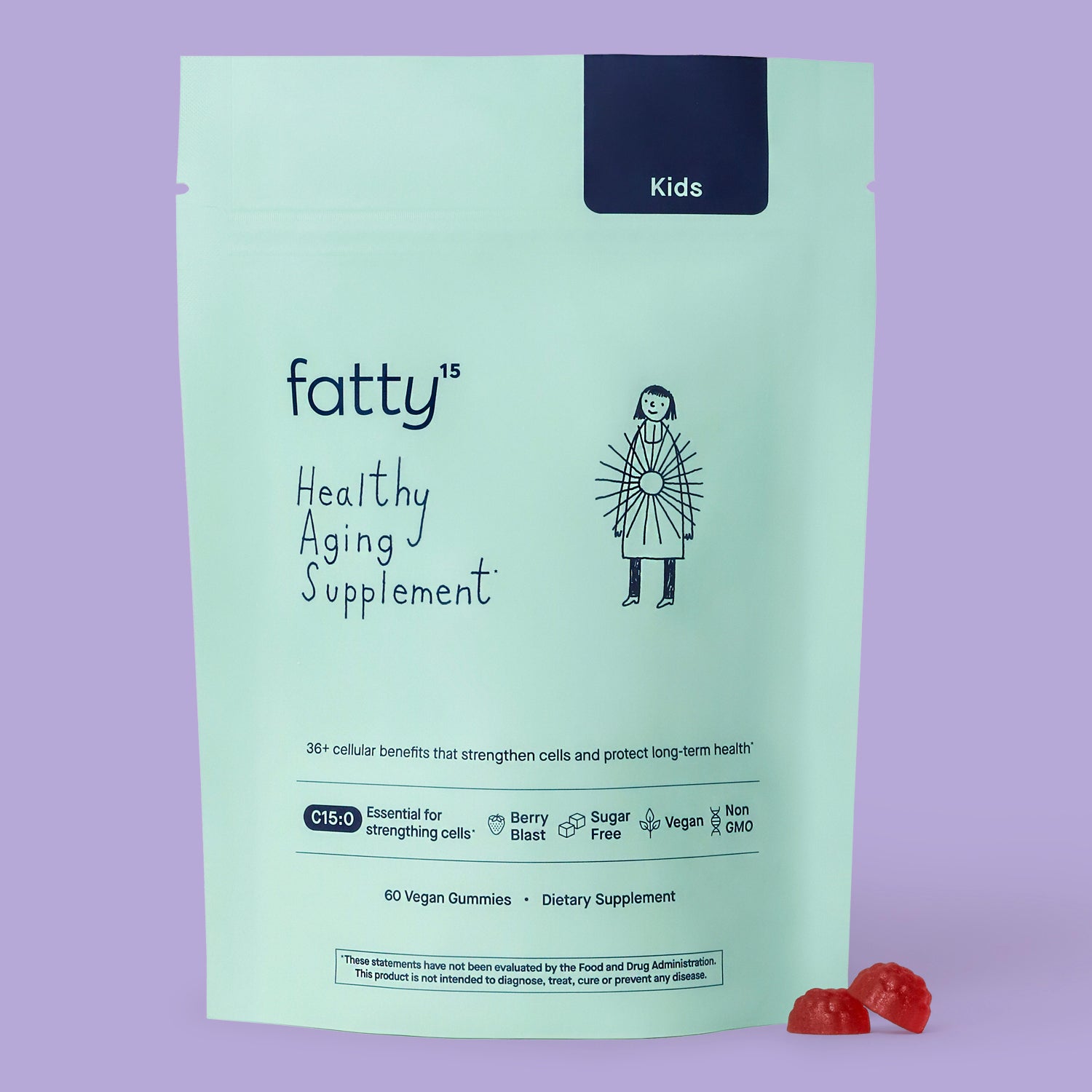
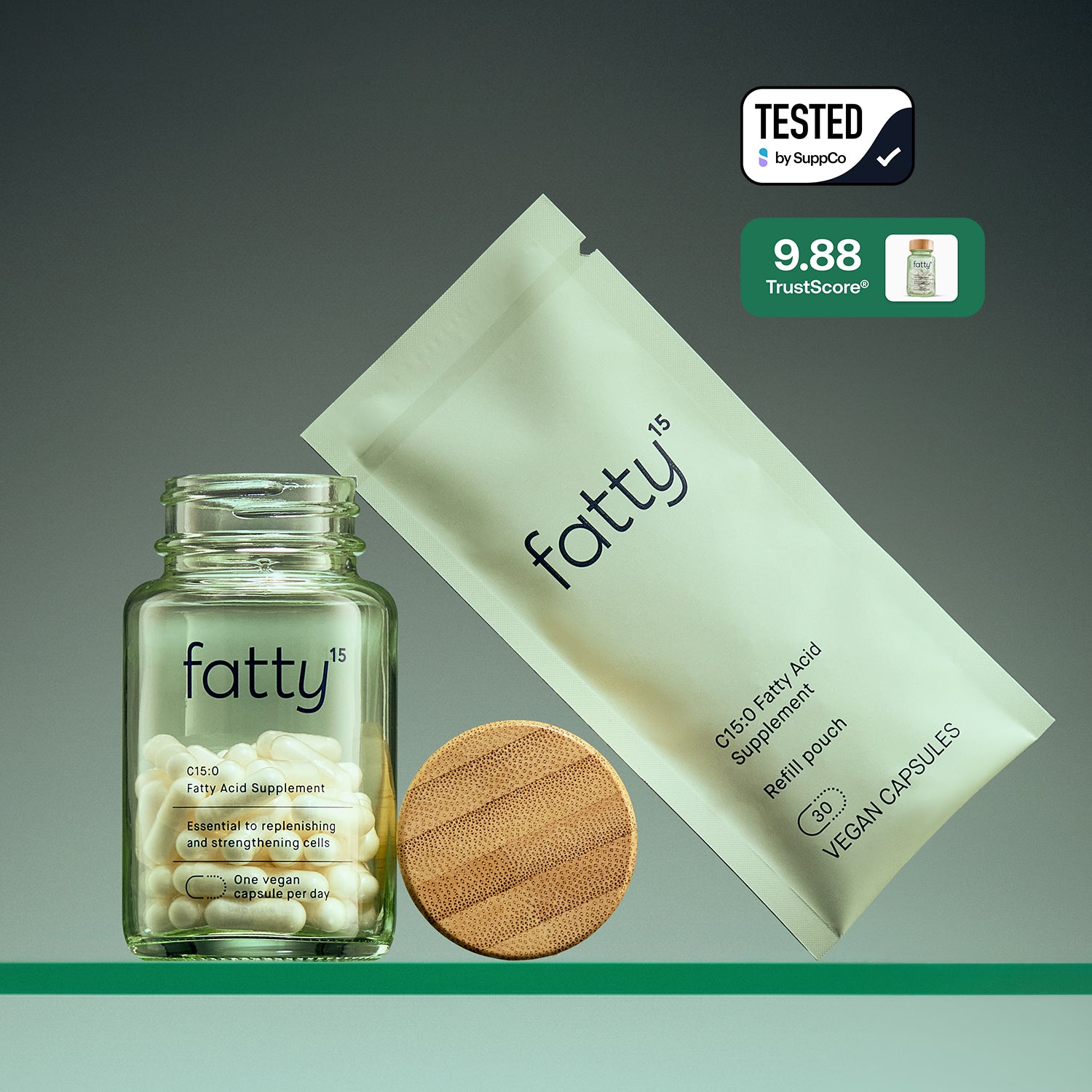
Fatty15 is the first and only supplement that contains the pure, vegan-friendly version of C15:0, an odd-chain, saturated fatty acid that is essential to our long-term health and wellness.
Fatty15 has been shown to:
- Strengthen and stabilize cell membranes
- Support mitochondrial function and cellular energy
- Maintain healthy inflammatory responses
- Protect cells from oxidative stress
- Support cellular communication
In addition, new research shows that it also has neuroprotective properties. Specifically, C15:0 helps protect two key pathways that are responsible for mood, memory, motivation, and overall neural health:
- C15:0 inhibits FAAH, preserving endocannabinoids that support healthy mood regulation, sleep quality, balanced inflammation, and smooth communication between brain cells.
- C15:0 inhibits MAO-B, helping maintain dopamine levels that are essential for memory formation, focus, emotional stability, and healthy sleep-wake rhythms.
With more than 100 peer-reviewed studies supporting its broad cellular benefits, C15:0 stands out as a promising nutrient for supporting your metabolic, red blood cell, liver, immune, and cognitive health, and importantly, your overall long-term health and wellness.
FAQs
What's the secret to living to be 100 years old?
Eating right, exercising regularly, getting enough sleep, and de-stressing.
What are the 5 P's to avoid for longevity?
Italy's youth are facing obesity because of what Longo calls the “poisonous five P's—pizza, pasta, protein, potatoes, and pane (or bread).
What is the number one fruit that seniors should eat every day?
A focus on whole foods helps promote longevity. Choose fruits and vegetables that are in season and minimally processed, along with lean protein and limited dairy.
100 Candles
Living to 100 isn’t about chasing immortality or following extreme rules. It’s about stacking the odds in your favor, biologically, emotionally, and socially, so that each decade of life remains as healthy and fulfilling as possible.
You don’t need perfect genes, you don’t need to overhaul your life overnight, and you don’t need to eliminate every indulgence. What matters is direction, not perfection. When you focus on healthspan, support your metabolism, stay connected, and care for your body at the cellular level, longevity becomes less of a mystery and more of a natural outcome of how you live.
And if you happen to blow out 100 candles one day? That’s just the bonus.
|
*These statements have not been evaluated by the Food and Drug Administration. This product is not intended to diagnose, treat, cure, or prevent any disease. |
Sources:
Genetic Factors Associated with Increased Longevity Identified | Scientific American.com
Sarcopenia (Muscle Loss): Symptoms & Causes | My Cleveland Clinic.org


