



Life Expectancy in the US: State by State

Seraphina Therapeutics's Highlights
- Hawaii leads the nation in life expectancy (80 years), while Mississippi has the lowest (71 years).
- Regional disparities reveal strong links between health behaviors, access to care, and longevity.
- Simple lifestyle changes and supportive tools like fatty15 can help individuals improve long-term health.*
Life expectancy, or the average number of years a newborn is expected to live, is a snapshot of overall health, lifestyle, environment, and access to quality care. In the United States, this figure varies widely by state. Some states have managed to create environments where people live longer, healthier lives, while others face persistent challenges that shorten longevity.
In this deep dive, we’ll look at life expectancy across all 50 states and the District of Columbia, highlight the highest and lowest performers, explore underlying causes for these differences, and offer practical ways individuals can improve health outcomes.
National Context: Why Life Expectancy Matters
Life expectancy reflects a constellation of social, environmental, and healthcare factors. It captures how well a population avoids preventable diseases and manages chronic conditions, and also how preventive care plays a role. While the U.S. average has hovered around 78.4 years, states differ by nearly a decade.
High life expectancy often indicates good access to healthcare, healthy lifestyles, strong economic and educational resources, and supportive public policies. Conversely, low life expectancy frequently correlates with poverty, limited healthcare access, higher rates of chronic disease and injury, and social determinants that impede healthy living.
The Highest Life Expectancy: What the Top States Get Right
The top three states with the highest life expectancies are Hawaii, Massachusetts, and Connecticut.
1. Hawaii - 80 years (Highest in the U.S.)
Hawaii consistently tops the list of life expectancy in the U.S. There are several possible reasons:
- Active lifestyle. Many residents engage in outdoor activities year-round due to the mild climate and island geography.
- Diet and culture. Traditional diets rich in fish, fruits, vegetables, and lower in processed foods are commonplace.
-
Strong social cohesion. Close-knit communities and strong family ties support mental and emotional well-being.
2. Massachusetts - ~79.6 years
Massachusetts benefits from:
- High healthcare access. Extensive medical infrastructure and broad insurance coverage.
-
Education and income. Higher average education and income levels are linked with healthier lifestyles.
3. Connecticut - ~79.2 years
Connecticut’s advantages include:
- Access to care. Strong healthcare systems and preventive services.
-
Wealth and resources. Higher per-capita income levels and educational attainment.
Other states with above-average life expectancy include New Jersey, New York, Minnesota, and California. These states share common themes with the top three, like greater access to preventive health services and primary care, lower rates of smoking, obesity, and some chronic diseases, and strong safety nets and social infrastructure.
These states show that environments encouraging preventive care, health education, and active lifestyles pay off in longevity dividends.
The Lowest Life Expectancy: What’s Holding States Back
1. Mississippi - 71 years (Lowest in the U.S.)
Mississippi faces significant health challenges that contribute to its low life expectancy:
- High chronic disease burden. Mississippi has among the highest rates of diabetes, obesity, and heart disease nationwide.
- Limited healthcare access. Rural areas with few providers make it harder for people to get preventive care or early treatment.
- Socioeconomic factors. Higher poverty and lower education levels correlate with poorer health outcomes.
- Maternal and infant health concerns. The state has struggled with high infant mortality and lacks widespread prenatal care access.
Other Low-Life Expectancy States
The bottom tier also includes:
- West Virginia (~71.0 years)
- Alabama (~72 years)
- Louisiana (~72.2)
- Kentucky (~72.3)
These states share common challenges, including higher rates of smoking and inactivity, persistent poverty and limited healthcare access, a higher prevalence of preventable diseases, and environmental and occupational health risks.
For example, rural and economically distressed areas suffer disproportionately from limited health infrastructure and fewer preventive care resources.
Life Expectancy by State
Wondering where your state measures in the life expectancy table? Below is a snapshot of life expectancy for each state and D.C., based on the most recent available data.
- Mississippi: 70.9
- West Virginia: 71.0
- Alabama: 72.0
- Louisiana: 72.2
- Kentucky: 72.3
- Tennessee: 72.4
- Arkansas: 72.5
- Oklahoma: 72.7
- New Mexico: 73.0
- South Carolina: 73.5
- Georgia: 74.3
- Ohio: 74.5
- Alaska: 74.5
- Indiana: 74.6
- Missouri: 74.6
- North Carolina 74.9
- Wyoming: 75.0
- Arizona: 75.0
- Nevada: 75.1
- District of Columbia: 75.3
- Texas: 75.4
- Michigan: 75.7
- Montana: 75.8
- Kansas: 76.0
- Florida: 76.1
- Delaware: 76.3
- Pennsylvania: 76.4
- South Dakota: 76.6
- Maine: 76.7
- Virginia: 76.8
- Illinois: 77.1
- Idaho: 77.2
- Maryland: 77.2
- Oregon: 77.4
- North Dakota: 77.6
- Iowa: 77.7
- Colorado: 77.7
- Wisconsin: 77.8
- Nebraska: 77.8
- Utah: 78.2
- Washington: 78.2
- California: 78.3
- Vermont: 78.4
- Rhode Island: 78.5
- New Hampshire: 78.5
- Minnesota: 78.8
- New Jersey: 79.0
- New York: 79.0
- Connecticut: 79.2
- Massachusetts: 79.6
- Hawaii: 79.9
Why These State Differences Matter
The nearly decade-long gap in life expectancy between states like Hawaii and Mississippi highlights big, systemic differences in health determinants.
Factors such as access to affordable healthcare, education, and economic opportunity, diet and lifestyle patterns, public policy around tobacco use, obesity, and preventive care, as well as disparities between rural and urban infrastructure, all play a role in shaping outcomes. Where people live can dramatically influence not only how long they live, but also how well they age.
How To Improve Life Expectancy: Personal and Policy Steps
Making every person and every state healthier requires action by the individual and action by state and local governments. Think of it as two sides of the same coin.
Personal Steps
Regardless of your state, lifestyle choices can have a powerful impact on longevity:
- Prioritize heart-healthy eating. Diets rich in whole foods, lean proteins, fiber, and certain fatty acids are linked with longer life and reduced chronic disease risk.
- Stay active. Regular exercise (including moderate walking) reduces the risk of heart disease, diabetes, and cognitive decline.
- Sleep well. Consistent, quality sleep supports immune function, metabolism, and brain health.
- Avoid smoking and limit alcohol. Both smoking and excessive alcohol intake significantly shorten life expectancy.
- Be proactive with healthcare. Routine check-ups, preventive screenings, and managing chronic conditions early improve outcomes.
- Manage stress. Chronic stress contributes to inflammation and disease risk; mindfulness and social support help.
Some people find these changes easier than others. Keep in mind that if you live in a rural area, you likely have more limited access to medical treatment and may need to travel even farther to see specialists. For some, this type of travel may not be an option.
State-Level Policy Solutions
At the population level, states can boost longevity by:
- Expanding access to affordable healthcare and preventive services. When people can afford routine checkups, screenings, and early interventions, chronic conditions are caught sooner and become far less likely to shorten life expectancy.
- Investing in community health education and resources. Education empowers individuals to make informed decisions about lifestyle and preventive care, creating ripple effects that improve health outcomes across entire communities.
- Addressing food deserts with better nutrition options. Improving access to fresh, nutrient-dense foods helps reduce diet-related diseases, such as obesity and diabetes, which are closely linked to shorter lifespans.
- Supporting mental health services. Accessible mental health care reduces chronic stress, depression, and substance use, all of which are powerful but often overlooked drivers of early mortality.
- Promoting active-transportation infrastructure (bike lanes, parks). Designing communities that encourage outdoor activity makes movement a natural part of daily life, supporting cardiovascular health and long-term longevity.
These policies create environments that encourage healthier living for everyone.
The Role of Nutrition & Supplements: Why Fatty15 Matters
Healthy lifestyle habits form the foundation of longevity, but there’s more you can do to support your ability to live a longer, healthier life. Supporting cellular and metabolic health from the inside out can significantly impact your ability to remain healthy as you age. The best way to support your cells? Fatty15™.*
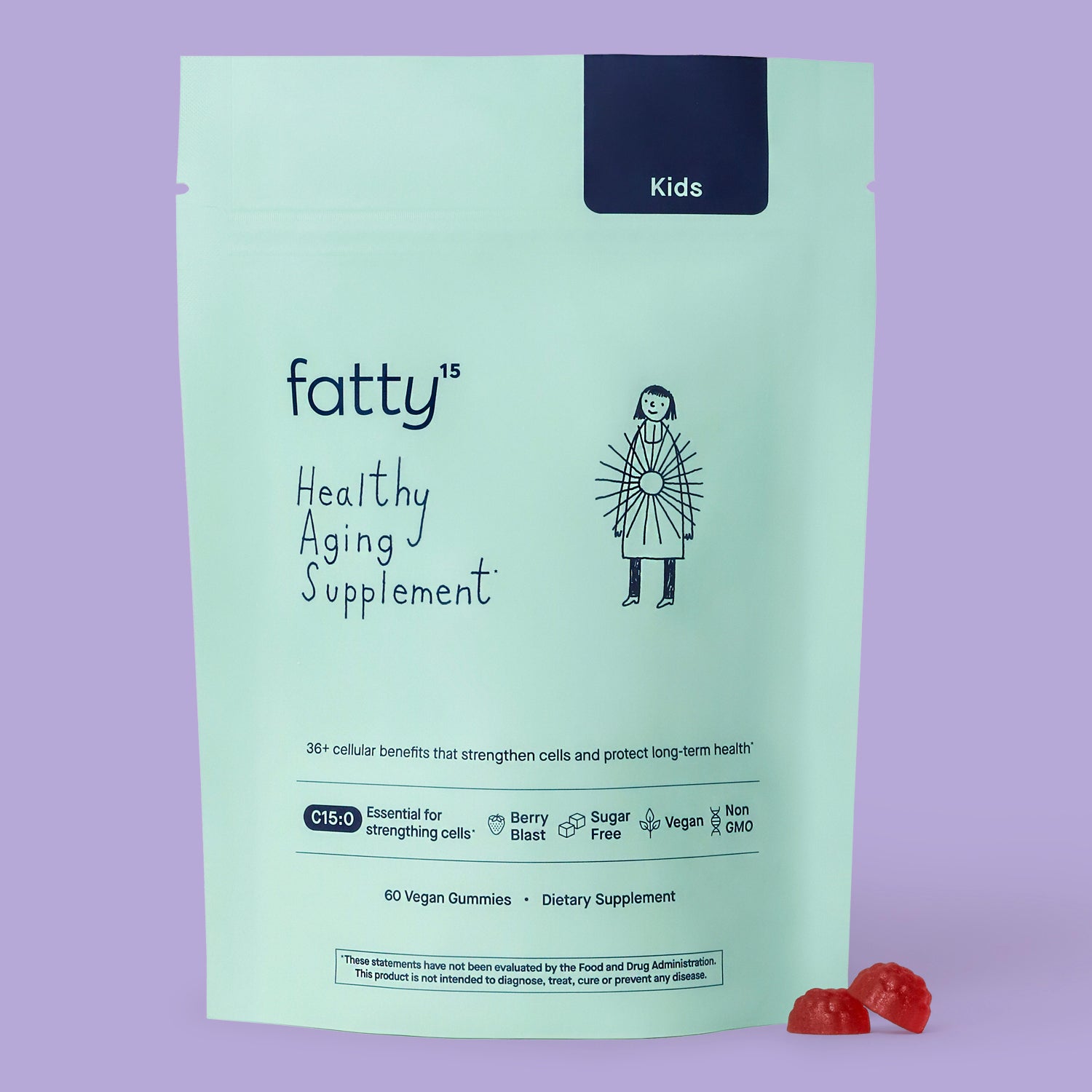
Fatty15 is the first and only supplement that contains the pure, patented, vegan-friendly version of C15:0 called FA15. What is C15:0? It’s an essential fatty acid that our body needs to thrive but cannot make on its own. We have to get C15:0 from our diet or supplements.*
Getting it from our diet alone can be tricky, because it is found primarily in whole-fat dairy products like full-fat butter and whole milk, which contain both the good essential nutrients like C15:0 and the ‘bad’ pro-inflammatory fatty acids. A supplement like fatty15 provides you with the good C15:0 without the bad.*
How It Works
Developed by doctors and funded by the US Navy, fatty15 is an award-winning pure C15:0 supplement that strengthens cell membranes against age-related breakdown, delivering 36+ cellular benefits that support our metabolic, cognitive, liver, immune, and red blood cell health. Optimal cellular health is increasingly recognized as a factor in healthy aging, energy, and resilience.*
When combined with a nutrient-rich diet, regular exercise, and preventive healthcare, fatty15 may help fill in nutritional gaps present in our modern diets.*
In studies, fatty15 has been shown to:
- Strengthen cells by 80%*
- Maintain mitochondrial function and ATP levels within cells*
- Support healthy cholesterol levels (Singapore study)*
- Support liver health*
- Target 6 out of 12 of the hallmarks of aging (better than rapamycin)
Science supports that C15:0 can slow cellular aging, and has even been dubbed “the longevity nutrient.” It is so important for our long-term health that not having enough can lead to a newly recognized nutritional deficiency syndrome. It is theorized that as many as 1 in 3 people globally may have lower than recommended levels of C15:0.*
Not having enough C15:0 in our diet can lead to Cellular Fragility Syndrome, a nutrient deficiency that results in weak, fragile cells that can lead to ferroptosis, a type of cell death known to accelerate aging.*
Whether you live in a high-life expectancy state or face the challenges seen in lower-ranking areas, prioritizing your personal health with tools like fatty15 and evidence-based lifestyle habits empowers you to live healthier for longer.*
The State of Your Health
Life expectancy in the U.S. mirrors lifestyles, environments, policies, and community priorities. From Hawaii’s health advantages to the obstacles facing states like Mississippi, these disparities remind us that longevity isn’t equally distributed.
But the good news is that individual choices matter, and there are concrete steps we can all take to enhance our odds of living a long, healthy life. With proactive habits, supportive supplements like fatty15, and policies that expand access to care and nutrition, we can work toward a future where more Americans thrive across every state.
FAQs
Which US state has the highest life expectancy?
Hawaii has the highest life expectancy in the U.S., with residents living around 80 years
Which state has the lowest life expectancy?
Mississippi consistently has the lowest life expectancy in the United States,
What are the odds of living to 85?
The odds of living to 85 vary significantly by sex, health, and lifestyle, but generally, around 40% of people born today can expect to reach age 85
|
*These statements have not been evaluated by the Food and Drug Administration. This product is not intended to diagnose, treat, cure, or prevent any disease. |
Sources:
US State Life Tables, 2022 | National Vital Statistics Reports
Ferroptosis: An Iron-Dependent Form of Nonapoptotic Cell Death


