


7 of the Best Foods for Your Brain Health

Seraphina Therapeutics's Highlights
- Fatty fish, blueberries, leafy greens, nuts, eggs, and dark chocolate are top foods for brain health.
- These foods help reduce inflammation, support neurotransmitters, and protect brain cells from aging.
- C15:0, an essential fatty acid, strengthens cells and improves cellular pathways that support cognitive health.
- Fatty fish, blueberries, leafy greens, nuts, eggs, and dark chocolate are top foods for brain health.
Your brain is your body’s command center, keeping your thoughts sharp, your moods balanced, and your memories stored safely (most of the time). It also happens to be one of the hungriest organs you have, demanding a steady stream of nutrients to perform at its best.
While you can’t control everything that affects brain health (like genetics and chronological aging), what you eat can make a powerful difference. Certain foods can literally help build brain cells, balance neurotransmitters, and even reduce inflammation that contributes to cognitive decline.
So grab your shopping list as we explore seven of the best foods for your brain. We’ll discuss why they’re so powerful, and how to work them into your day. Spoiler: our seventh pick might surprise you.
1. Blueberries
Blueberries may be small, but they pack a punch when it comes to protecting your brain from oxidative stress, the kind of cellular damage that builds up with age and can contribute to memory loss.
These little blue powerhouses are rich in anthocyanins, a class of plant compounds that act as antioxidants and anti-inflammatories. The antioxidants in blueberries help support healthy brain aging and boost blood flow to the brain, supporting sharper thinking and better recall.
Eat more: Toss a handful into your oatmeal, yogurt, or smoothie, or just snack on them straight from the fridge. Frozen blueberries are just as nutrient-dense as fresh.
2. Leafy Greens
Your mom wasn’t wrong when she said to eat your greens. Leafy vegetables, such as spinach, kale, collard greens, and Swiss chard, are among the most nutrient-dense foods on the planet.
They’re especially rich in vitamin K, lutein, folate, and beta-carotene, a nutrient lineup that research links to slower cognitive decline. In one long-term study, individuals who consumed a serving of leafy greens daily showed brain function equivalent to that of those 11 years younger than those who rarely did.
What’s in it for your neurons?
- Vitamin K supports sphingolipids, specialized fats that protect brain cells.
- Folate helps produce neurotransmitters like serotonin and dopamine.
- Lutein and beta-carotene act as antioxidants to reduce brain inflammation.
Eat more: Mix spinach into eggs, blend kale into a smoothie, or sauté Swiss chard with garlic and olive oil. Your brain and your future self will thank you.
3. Nuts and Seeds
When you’re in the mood for a crunchy snack that supports brain function, reach for a handful of nuts and seeds. They’re packed with vitamin E, an antioxidant that protects brain cell membranes from oxidative stress. Higher vitamin E intake has been linked with slower cognitive decline, especially in older adults.
Nuts also provide healthy fats, plant-based protein, and trace minerals like magnesium, all of which are key players in maintaining neuron health and promoting energy production. Some of the best options include walnuts, almonds, and pumpkin seeds.
Eat more: Sprinkle them on yogurt, add them to salads, or grab a small handful as a snack between meals. Just watch portions. These nutrient powerhouses are calorie-dense.
4. Eggs
Eggs are having a nutritional comeback story, and for good reason. They’re an excellent source of choline, a nutrient that often flies under the radar but plays a starring role in brain health.
Choline is used to make acetylcholine, a neurotransmitter essential for memory and learning. It’s also a building block for cell membranes, helping keep neurons strong and functional. In addition to choline, eggs offer B vitamins, protein, and lutein (the same brain-protective antioxidant found in leafy greens.
Eat more: Enjoy them scrambled, boiled, or poached. For a nutrient-dense start, try eggs with sautéed spinach and avocado.
5. Dark Chocolate
Yes, chocolate made the list, and not just because it makes you happy. Dark chocolate (70% cocoa or higher) is rich in flavonoids, plant compounds that improve blood flow to the brain, enhance memory, and boost mood.
Dark chocolate contains flavonoids, which help relax blood vessels, increasing oxygen delivery to the brain. Studies even suggest that moderate dark chocolate consumption can improve performance on memory and attention tasks. The keyword is moderation. You don’t need an entire bar to reap the benefits; just a few squares will do the trick.
Eat more: Choose dark chocolate with at least 70% cocoa and minimal added sugar. Pair with a handful of almonds for a brain-boosting snack.
6. Fatty Fish
Fatty fish like salmon, sardines, trout, and mackerel are loaded with omega-3 fatty acids, particularly DHA (docosahexaenoic acid) and EPA (eicosapentaenoic acid). These fatty acids are important for brain health, but they aren’t considered essential like you may have heard. In fact, only one omega-3 fatty acid, ALA (alpha-lipoic acid), is considered essential.
DHA and EPA support brain cell membranes and neuron signaling, and may even help balance your mood. The claims about omega-3 fatty acids are broad, and if you’re taking an omega-3 fish oil supplement, you aren’t alone. It’s estimated that more than one-third of American adults take a fish oil supplement. Unfortunately, they have an Achilles’ heel.
First, because omega-3s are polyunsaturated fatty acids, they are liquid at room temperature and are prone to going rancid. An independent study revealed that one in 10 bottles of fish oil supplements were rancid on store shelves. Second, omega-3 can have negative side effects at certain doses, like increased risk of bruising or excess bleeding if an injury were to occur.
Finally, omega-3 is found primarily in fish, which isn’t an option for vegetarians or vegans. Although you can get omega-3 from plant-based sources, the omega-3 fatty acids in these products are still oils at room temperature and are prone to oxidation and going rancid.
Still, your brain needs fat, and thankfully, there’s a better, safer, and more effective solution.
7. Pentadecanoic Acid (C15:0)
Pentadecanoic acid (C15:0) is an emerging essential fatty acid gaining attention for its potential to support brain health. Specifically, C15:0 strengthens the cellular foundations that can keep the body and brain resilient as we age.
C15:0 helps protect two key pathways tied to mood, memory, and cognitive longevity:
-
It inhibits FAAH , an enzyme that breaks down endocannabinoids, which are the “feel-good” molecules that support balanced mood, sleep, and immune responses in the brain.
- It inhibits MAO-B , an enzyme that breaks down dopamine, a neurotransmitter essential for focus, motivation, and memory.
By helping preserve both endocannabinoids and dopamine, C15:0 can support clearer thinking, calmer moods, healthier sleep patterns, and long-term cognitive health.
C15:0 also works at the cellular level throughout the body, strengthening cell membranes, improving mitochondrial function, and supporting balanced inflammatory responses. These whole-body benefits translate directly into better brain aging.
Compared to omega-3 (pure EPA), C15:0 was found to be:
-
Better. Fatty15 has 26+ more clinically-relevant cellular benefits than pure EPA.
-
Broader. Fatty15 repairs 2.5x more cell types compared to pure EPA. While fatty15 repaired 10 out of 12 (83%) cell-based systems, EPA only safely repaired 4 out of 12 (33%) of them.
- Safer. Fatty15 is safe for 12 out of 12 cell types. EPA was toxic to 4 out of 12 cell types.
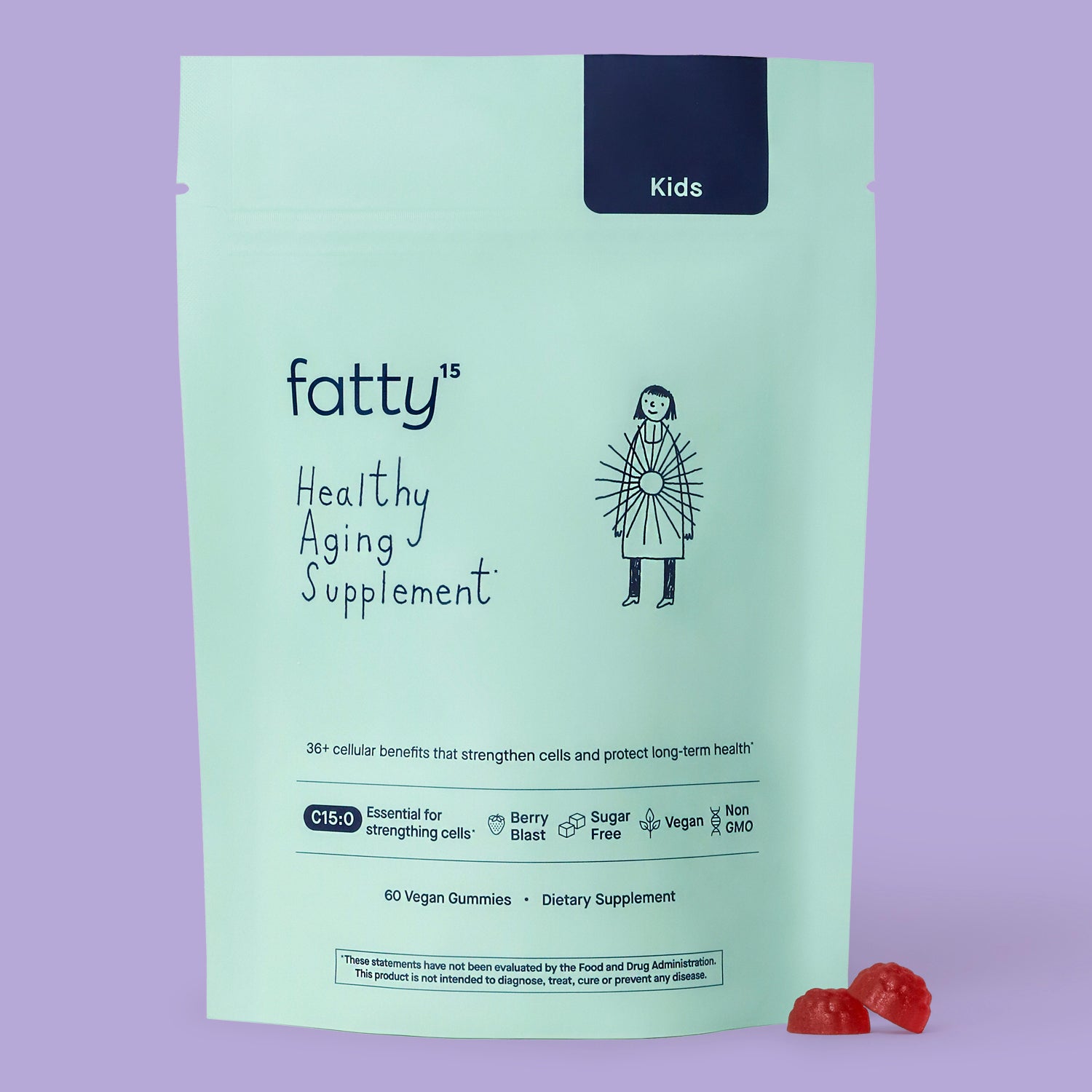
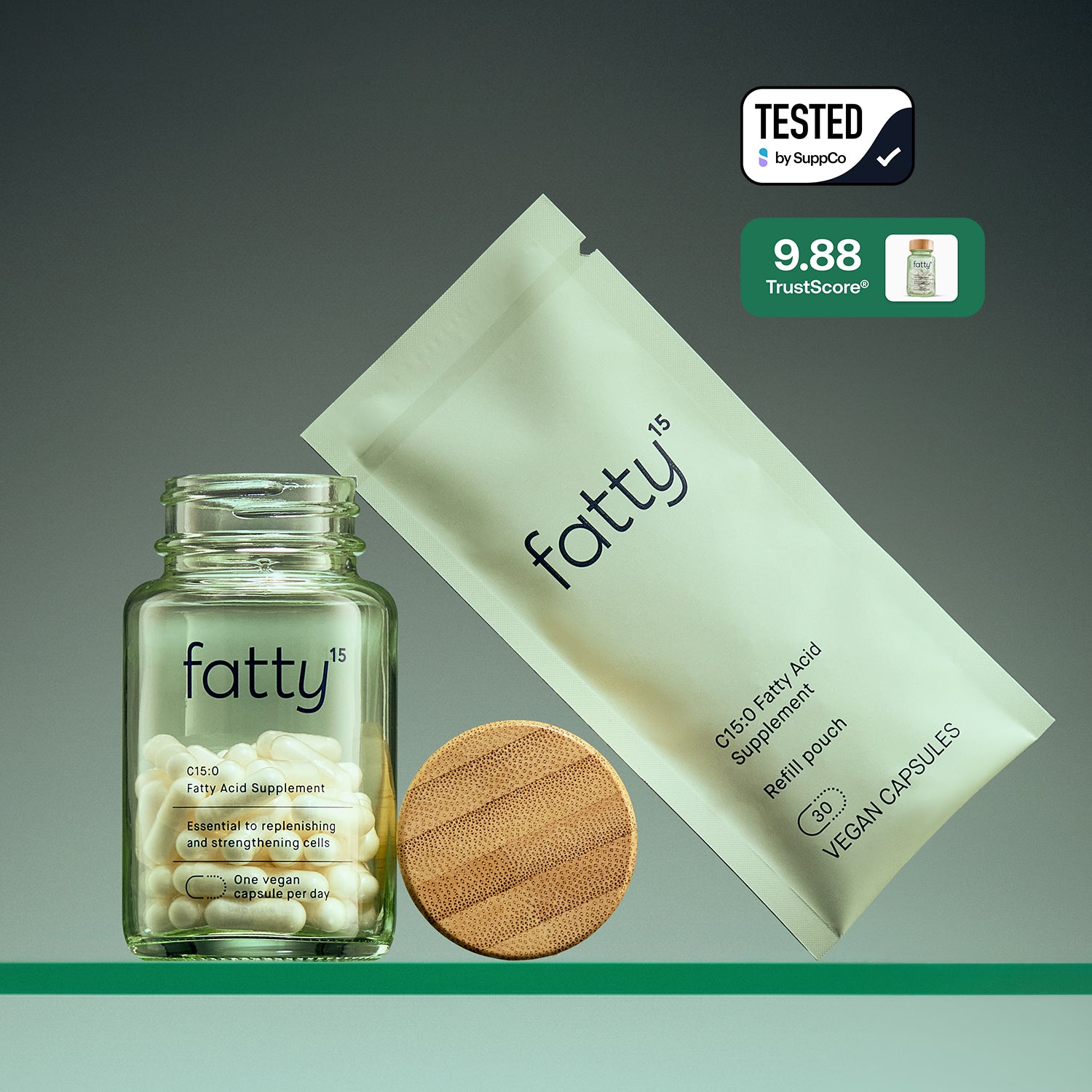
You can get small amounts of C15:0 from whole-fat dairy and in the skin and heads of certain fish, but levels are often low. Fatty15, a pure and bioavailable form of C15:0, is a science-backed option for raising levels to those associated with healthier cognitive performance.
In addition, C15:0 helps lower “bad” LDL cholesterol and improves liver enzymes.
Get more: Supplementing your diet with C15:0 is an effective way to raise your C15:0 levels and support your cognitive health. Fatty15 provides the pure, science-backed form your body recognizes and uses efficiently.
Why a Supplement Is Best
There are a few reasons why taking a supplement to obtain this essential fatty acid may be beneficial.
First, it's made ready-to-absorb. In milk (and other foods), C15:0 is attached to branches of lipids called triacylglycerides, aka triglycerides. That means our gut has to use digestive enzymes to break down these triacylglycerides to release C15:0 as a free fatty acid. Once C15:0 is released, it is ready to be absorbed.
Next, it's not mixed with bad saturated fats. While the good C15:0 fatty acid is present in whole-fat dairy products in trace levels, there are much higher levels of 'bad' even-chain saturated fatty acids that continue to be associated with poorer health.
It skips the cows and calories. Whole-fat dairy products are packed with calories, including sugars (aka lactose), and also require cows. Interestingly, plant-based milk replacements lack C15:0 altogether.
Fatty15 offers the first and only supplement form of C15:0, which:
- Is already in free fatty acid form
- Contains no other fats or sugar
- Has just one calorie
- Doesn’t involve cattle (or any other animal).
Taking fatty15 is an easy way to increase your C15:0 levels and benefit from this essential fatty acid.
How Much C15:0 Do You Need?
Most people today have C15:0 levels around 0.2% of total fatty acids. While studies support that people need to maintain circulating C15:0 levels between 0.2% and 0.4% to avoid being deficient in this essential nutrient, there is evidence that higher C15:0 levels can further support longevity and long-term health.
It is estimated that one in three people globally has levels of C15:0 that are lower than 0.2%, putting them at risk for a nutritional deficiency syndrome known as Cellular Fragility Syndrome, which occurs when people don’t have adequate C15:0 levels in their cell membranes. This syndrome causes cells to become fragile and is associated with ferroptosis, a type of cell death that accelerates the aging process.
The good news? Fixing C15:0 deficiencies effectively strengthens cells, fights ferroptosis, slows cellular aging, and protects our long-term metabolic, liver, and heart health.
Food For Thought
Your brain is only as healthy as what fuels it, and the good news is, the most brain-boosting foods are also some of the tastiest.
From flavonoid-packed dark chocolate to the cutting-edge cellular support of C15:0 in fatty15, these seven foods nourish your neurons, sharpen your focus, and keep your mental energy steady through every decade of life.
So, next time you plan your meals, remember: eating for brain health is about helping your mind feel brighter, quicker, and more resilient today.
Sources:


