


What’s the Best Diet To Improve Longevity?

Seraphina Therapeutics's Highlights
The search for the “best diet” for a long, healthy life has fascinated scientists, doctors, and curious minds alike. From the Mediterranean shores to the mountains of Okinawa, people around the world have lived remarkably long lives, often surpassing 90 years of age.
Their secret is found in consistent patterns of eating, movement, and lifestyle that nourish both body and mind. Food is more than fuel. It acts as information for our cells, influencing how they function, repair themselves, and age. What we eat has a direct impact on inflammation, oxidative stress, and mitochondrial health, all of which play crucial roles in longevity.
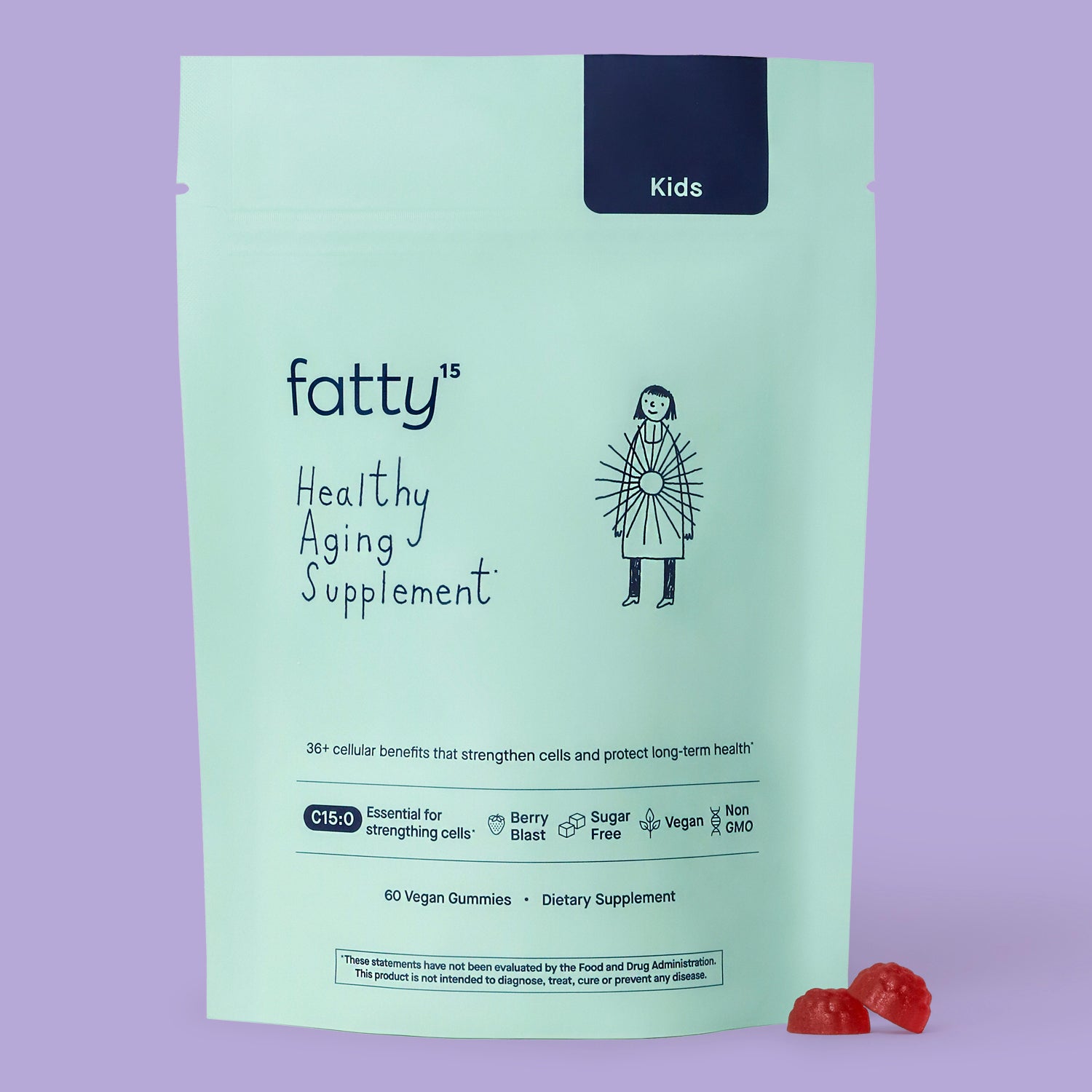
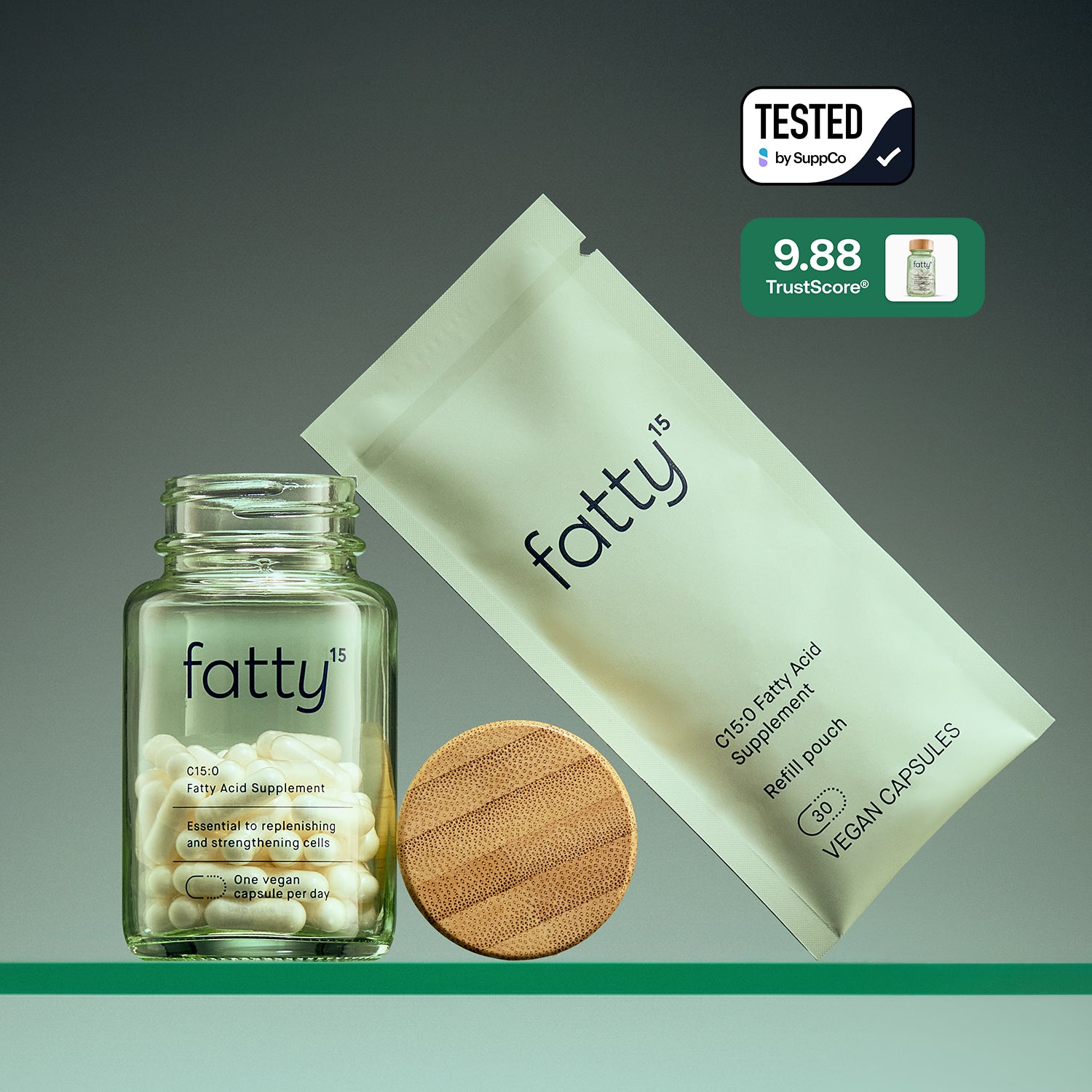
With modern science revealing the role of cellular health in aging, supplements like fatty15, which delivers the essential fatty acid C15:0, can help support these mechanisms from within, further bolstering our efforts to live longer and healthier lives.
What Science Says About Longevity Diets
While no perfect diet exists, longevity is heavily influenced by dietary patterns. Communities known for exceptional lifespan, including the Okinawans in Japan, the Sardinians in Italy, and the Nicoyans in Costa Rica, tend to eat mostly plant-based foods, emphasize moderate portion sizes, and limit processed foods and refined sugars.
These patterns are linked to lower rates of chronic disease, reduced inflammation, and improved metabolic health. In other words, the cumulative effect of small, consistent choices matters more than following a strict or rigid diet plan.
Longevity diets typically include:
- Abundant vegetables
- Seasonal fruits
- Legumes
- Whole grains,
- Healthy fats
Meat is eaten in moderation, often reserved for special occasions, while sugary snacks and ultra-processed foods are rare. Caloric moderation also plays a role. Many long-lived populations naturally consume fewer calories without extreme restriction, often through smaller portion sizes or periods of intermittent fasting.
This mild caloric restriction has been shown in multiple studies to promote cellular repair mechanisms, improve metabolic balance, and reduce oxidative stress, all of which contribute to healthier aging.
Insights from The Longevity Diet by Dr. Valter Longo
Dr. Valter Longo, a biogerontologist and Director of the Longevity Institute at the University of Southern California, has spent decades studying how diet influences aging and disease. His work, summarized in The Longevity Diet, offers clear guidance on eating patterns that support long-term health at both the organ and cellular levels.
Central to Dr. Longo’s recommendations is a mostly plant-based diet rich in vegetables, legumes, whole grains, nuts, and healthy fats. Protein intake is moderate and strategically timed, with a focus on plant proteins and fish rather than red meat.
This balance is designed to maintain muscle mass while avoiding overstimulation of growth pathways that may accelerate cellular aging. The Longevity Diet also emphasizes periodic fasting or fasting-mimicking diets. These intervals of reduced caloric intake encourage the body to shift from growth mode to repair mode.
During this time, cellular processes like autophagy (the clearing out of damaged proteins and organelles) are activated. Stem cells are rejuvenated, and inflammation is reduced. The science behind this approach aligns with what researchers observe in the world’s Blue Zones, where natural periods of lower food availability, smaller portions, or seasonal fasting occur regularly.
Key Components of a Longevity Diet
A longevity-focused diet shares several common characteristics, regardless of cultural background. Each of these pillars supports cellular health, reduces inflammation, and promotes long-term vitality.
A Rainbow of Plant Foods
Vegetables, fruits, legumes, and whole grains provide fiber, vitamins, minerals, and antioxidants that help control inflammation, support gut health, and maintain optimal metabolic function. The phytonutrients in these foods protect cells from oxidative damage, the accumulation of which is a hallmark of aging.
Healthy Fats
Fats from nuts, seeds, and olive oil support cell membrane integrity, reduce inflammation, and improve cardiovascular health. Emerging research now shows that certain fatty acids, like C15:0 found in fatty15, provide unique benefits at the cellular level.
They reinforce cellular membranes, support mitochondrial efficiency, and help regulate inflammatory response, complementing the effects of a whole-food, fat-rich diet.
Moderate Protein
Protein is necessary for maintaining muscle and organ function, but moderation is key. Long-lived populations often consume smaller portions of protein, emphasizing plant sources and lean fish over red or processed meats. This balance preserves muscle mass while avoiding excessive stimulation of cellular pathways that can accelerate aging.
Complex Carbohydrates
Complex carbohydrates, particularly from whole grains, beans, and root vegetables, provide steady energy and help maintain healthy blood sugar levels. Unlike refined carbohydrates, which can spike insulin and increase inflammation, slow-digesting carbs support metabolic stability and long-term health.
Mindfulness and Moderation
Mindfulness and moderation are integral to longevity diets. Eating slowly, savoring meals, and consuming modest portions all contribute to better digestion, reduced caloric excess, and improved satiety signals. Sharing meals with family or community members also promotes emotional well-being, which is deeply tied to overall health and lifespan.
Lessons From the World’s Longest-Living People
Across the globe, the diets of the longest-living people share striking similarities. Processed foods are rare, meals are centered on plants, and meat is consumed sparingly. Social connections, purposeful living, and daily movement complement their dietary choices, creating a synergy that fosters resilience at both the physiological and emotional levels.
- Okinawans follow a plant-forward diet rich in vegetables, legumes, and seaweed, while practicing hara hachi bu, the habit of eating until they are about 80 percent full.
- Sardinians enjoy beans, whole grains, and healthy fats, combined with regular physical activity in mountainous terrain.
- Nicoyans in Costa Rica consume a diet rich in beans, corn, and squash, with mineral-rich water supporting their cardiovascular and skeletal health.
Across these regions, longevity is not about extreme restriction or avoidance, but about simple, nutrient-rich patterns that the body can easily sustain for decades.
Why Modern Diets Fall Short
While traditional diets provide a blueprint for longevity, modern eating habits often fail to support cellular resilience. Processed foods, refined sugars, and nutrient-depleted produce create an environment of chronic inflammation, oxidative stress, and metabolic imbalance. Even diets that appear healthy may be lacking in critical components that regulate cellular repair.
These deficits can accelerate the aging process at the cellular level, impacting energy production, immune function, and cognitive health. The good news is that intentional dietary choices can reverse many of these trends. And when paired with targeted supplementation, we can further strengthen the cellular foundation for long-term health.
Fatty15: The Missing Piece for Modern Longevity
While diet and lifestyle lay the groundwork for long life, fatty15 provides a critical advantage by directly supporting cellular health. Its active ingredient, C15:0, is a science-backed, essential fatty acid that helps cells maintain stability and function optimally over time.
Discovered by doctors and scientists studying longevity in marine mammals, this key nutrient has been shown to support key cellular processes that support longevity.
How It Works
C15:0 works by strengthening and repairing our cells by:
- Strengthening cell membranes. As we age, our cell membranes become flimsy and weak, which can affect cellular function. C15:0 integrates into cell membranes to strengthen them by up to 80%.
- Improve mitochondrial function. Sluggish mitochondria can result in an overall decrease in cellular energy and an increase in reactive oxygen species, a molecule that damages cells. C15:0 increases cellular energy (ATP) levels by 350% while simultaneously reducing ROS output.
- Lowers proinflammatory cytokines. C15:0 lowers and calms levels of proinflammatory cytokines, which are a key driver in the aging process.
In addition, C15:0 has been shown to improve liver enzymes, lower “bad” LDL cholesterol, and improve the gut microbiome. Even if modern life makes it difficult to perfectly emulate the eating patterns of Blue Zones or follow fasting protocols, fatty15 ensures that your cells are receiving the support they need to thrive.
When Levels are Too Low
C15:0 is emerging as the first essential fatty acid to be discovered in over 90 years. An essential nutrient is one our bodies need to thrive but cannot readily make on their own. As such, we need to get it from food or supplements. When we don’t have enough circulating C15:0, we are at risk of a deficiency.
Low body levels of C15:0 (also called pentadecanoic acid) can result in fragile cells that accelerate cellular aging and increase the risk of developing chronic metabolic, heart, and liver conditions. This C15:0 deficiency syndrome has been named Cellular Fragility Syndrome and may be impacting as many as 1 in 3 people worldwide. Cellular Fragility Syndrome is directly linked to ferroptosis, a type of cellular death that accelerates the aging process.
Thankfully, increasing C15:0 reverses all core components of ferroptosis by stabilizing cell membranes, stopping liver iron deposition, repairing mitochondria, and lowering reactive oxygen species. As a result, C15:0 supplementation has been shown to lower glucose, cholesterol, and triglyceride levels, repair liver function, and improve red blood cell health.
How Much C15:0 Do You Need?
Most people today have C15:0 levels around 0.2% of total fatty acids. Studies support that people need to maintain circulating C15:0 levels between 0.2% and 0.4% to protect against Cellular Fragility Syndrome. Fatty15 provides you with the C15:0 you need to elevate your circulating C15:0 levels, reverse Cellular Fragility Syndrome, and improve your long-term health.
The combination of longevity diets and targeted cellular support creates a synergistic effect. Foods provide vitamins, minerals, and antioxidants; habits create balance and reduce stress; and fatty15 supports the biological machinery that enables longevity from within. Together, they form a comprehensive approach to aging that is both practical and science-based.
FAQs
What is the healthiest diet for longevity?
The best diet for longevity emphasizes whole, plant-based foods like fruits, vegetables, whole grains, nuts, and legumes, while limiting red and processed meats, refined grains, and sugar-sweetened beverages.
What food increases your lifespan the most?
An optimal diet for increasing lifespan has more legumes, whole grains, fish, and produce. It also includes a handful of nuts each day.
What is the 3 3 3 rule for eating?
The Rule of 3s states: eat 3 meals and 3 snacks per day, with no longer than 3 hours between eating times.
Eating Well, Living Well, Aging Well
Ultimately, the best diet for longevity is not a secret formula or a fleeting trend. It is a lifestyle built on nutrient-rich foods, balanced macronutrients, mindful eating, and supportive habits that nurture both mind and body. Plant-forward meals, healthy fats, moderate protein, whole carbohydrates, and social engagement all contribute to long-term vitality.
When combined with modern science in the form of fatty15, you can further enhance the resilience of your cells, supporting your metabolic, red blood cell, and long-term health. Longevity begins at the cellular level, but it is expressed through the choices we make every day.
Sources:
Caloric Restriction in Humans: Impact on Physiological, Psychological, and Behavioral Outcomes | PMC


