


10 Best Longevity Supplements (Backed by Science)

Seraphina Therapeutics's Highlights
- Not all longevity supplements work the same. Those backed by science support core aging pathways, including metabolic health, inflammation control, mitochondrial function, and cellular resilience.
- Well-studied supplements, such as creatine, NMN, and CoQ10, show meaningful benefits for strength, energy, and metabolic health as we age, but often target only one or two systems.
- Fatty15 contains a pure C15:0 ingredient that science supports as a key geroprotector, a molecule that can slow aging rates and improve long-term health by targeting the human longevity-regulating pathway and multiple hallmarks of aging.
- Not all longevity supplements work the same. Those backed by science support core aging pathways, including metabolic health, inflammation control, mitochondrial function, and cellular resilience.
Longevity science has undergone rapid evolution over the last decade. What was once focused narrowly on extending lifespan has shifted toward a more meaningful goal: extending healthspan, or the years of life spent physically strong, mentally sharp, and metabolically resilient.
While no supplement can replace good nutrition, movement, sleep, and social connection, research increasingly shows that targeted supplementation can help support key biological pathways that influence aging.
The challenge is separating genuinely science-backed supplements from those driven by hype. Many products promise longevity benefits, but only a handful are supported by credible human, animal, or mechanistic research tied to known aging pathways such as inflammation, mitochondrial function, metabolic health, and cellular resilience.
Below is a ranked list of the best longevity supplements backed by science, ordered from least to most comprehensive, based on the breadth of biological pathways supported, strength of evidence, and relevance to aging itself.
10. Curcumin (Turmeric Extract)
Curcumin, the active compound in turmeric, is best known for its anti-inflammatory and antioxidant properties. Chronic inflammation is a hallmark of aging, and curcumin has been shown to inhibit inflammatory pathways, such as cyclooxygenase-2 (COX-2), lipoxygenase (LOX), and inducible nitric oxide synthase (iNOS).
These pathways are implicated in cardiovascular disease, arthritis, and neurodegeneration. However, curcumin’s longevity potential is limited by its poor bioavailability.
Even enhanced formulations struggle to maintain meaningful blood levels, which reduces their impact as a long-term anti-aging strategy. A high-quality supplement will likely include piperine, the active compound in black pepper, which aids in absorption.
Longevity takeaway: Helpful for inflammation control, but narrow in scope and limited in absorption.
9. Green Tea Extract (EGCG)
Green tea extract, particularly epigallocatechin gallate (EGCG), has been associated with improved metabolic health, antioxidant protection, and cellular stress resistance. Observational studies link green tea consumption with reduced cardiovascular risk and improved longevity markers in certain populations.
EGCG influences pathways related to oxidative stress and may modestly activate AMPK, a metabolic regulator tied to aging. However, effects are generally modest and dose-dependent, and high doses may cause liver stress in sensitive individuals.
Longevity takeaway: Supportive for metabolic and antioxidant health, but not a core longevity driver.
8. Probiotics / Gut-Health Supplements
Gut health plays a critical role in immune regulation, inflammation, metabolic function, and even brain health, all of which influence aging. Certain probiotic strains have been shown to reduce inflammatory markers and improve insulin sensitivity.
That said, probiotic effects are highly strain-specific and individual-dependent, making results unpredictable. Most probiotic supplements do not colonize permanently, and benefits often disappear once supplementation stops.
Longevity takeaway: Important supportive role, but inconsistent as a standalone longevity intervention.
7. Vitamin D3 + K2
Vitamin D deficiency is common with age and has been linked to bone loss, immune dysfunction, cardiovascular disease, and increased mortality risk. Vitamin K2 works synergistically with D3 to direct calcium into bones rather than arteries.
One study showed that Vitamin D helps protect telomeres, the protective caps on the ends of chromosomes that shorten with age. However, the dosage of vitamin D was high (2,000 IU/day) and was studied when combined with omega-3.
The recommended daily allowance of vitamin D is 600 IU/day, and taking high amounts of vitamin D could result in unwanted side effects, or even vitamin D toxicity, which causes a buildup of calcium in the blood.
While essential for overall health, vitamin D functions more as a deficiency correction tool than a direct longevity enhancer. Once adequate levels are reached, additional supplementation does not appear to meaningfully slow aging processes.
Longevity takeaway: Foundational for healthy aging, but not a primary longevity driver on its own.
6. Resveratrol
Resveratrol gained fame for its ability to activate sirtuins, proteins associated with DNA repair and longevity pathways. Animal studies showed lifespan extension under certain conditions, sparking widespread interest.
Human data, however, has been mixed. Bioavailability is low, and benefits appear modest unless paired with metabolic stressors such as caloric restriction. Pterostilbene, a natural compound found in blueberries, grapes, and peanuts, improves absorption but still lacks robust long-term human outcomes.
Longevity takeaway: Mechanistically interesting, but inconsistent real-world impact.
5. Astaxanthin
Astaxanthin is a potent carotenoid antioxidant found in some fish, yeast, and algae that may support mitochondrial health, skin aging, and oxidative stress reduction. Unlike many antioxidants, it integrates into cell membranes, helping protect them from damage.
Additionally, some research showed that it might be effective in suppressing some age-related illnesses, but more studies are needed to substantiate this claim. While promising for reducing oxidative stress, astaxanthin does not significantly influence metabolic or inflammatory signaling on its own.
Additionally, high doses may result in hormonal changes due to astaxanthin’s ability to inhibit an enzyme called 5-alpha-reductase, thus resulting in changes in libido and male breast growth.
Longevity takeaway: Strong antioxidant support, but limited breadth across aging pathways.
4. Coenzyme Q10
CoQ10 plays a direct role in mitochondrial energy production. Levels decline with age and with statin use, contributing to fatigue, muscle weakness, and reduced cellular energy.
CoQ10 supplementation has been shown to improve mitochondrial efficiency, cardiovascular function, and markers of oxidative stress, making it particularly useful for aging populations.
Longevity takeaway: Valuable for mitochondrial support, especially later in life.
3. Rapamycin
Rapamycin is one of the most scientifically compelling longevity compounds ever studied, and also one of the most controversial. Originally developed as an immunosuppressive drug, rapamycin works by inhibiting mTOR (mechanistic target of rapamycin), a central cellular pathway that regulates growth, nutrient sensing, and aging.
Excessive mTOR signaling is associated with accelerated aging, cancer risk, and metabolic dysfunction. By dampening this pathway, rapamycin has consistently extended lifespan in multiple species, including yeast, worms, flies, and mammals. In mice, rapamycin remains one of the most robust pharmacological lifespan-extending interventions ever discovered.
From a longevity science perspective, rapamycin’s strength lies in its direct action on a core aging pathway rather than secondary effects like antioxidant activity or nutrient replenishment. However, this power comes with important caveats.
Rapamycin is a prescription drug, not a supplement, and chronic high-dose use can impair immune function, wound healing, and glucose regulation. For this reason, much of the current human longevity interest focuses on low-dose or intermittent “pulsed” protocols, though long-term safety data in healthy humans is still emerging.
Longevity takeaway: Rapamycin is an effectivesingle-pathway longevity intervention, but its pharmaceutical nature, potential side effects, and need for medical supervision prevent it from being a foundational longevity strategy for most people.
2. Creatine
Creatine is often associated with athletic performance, but its longevity benefits extend far beyond muscle. Research shows creatine supports muscle mass, strength, cognitive function, and cellular energy buffering, which are all critical for maintaining independence with age.
In older adults, creatine supplementation has been linked to reduced sarcopenia (age-related muscle loss), improved memory performance, and better resilience under metabolic stress.
Longevity takeaway: One of the most underrated longevity supplements, especially for functional aging.
1. Fatty15 (C15:0): The Most Comprehensive Longevity Supplement
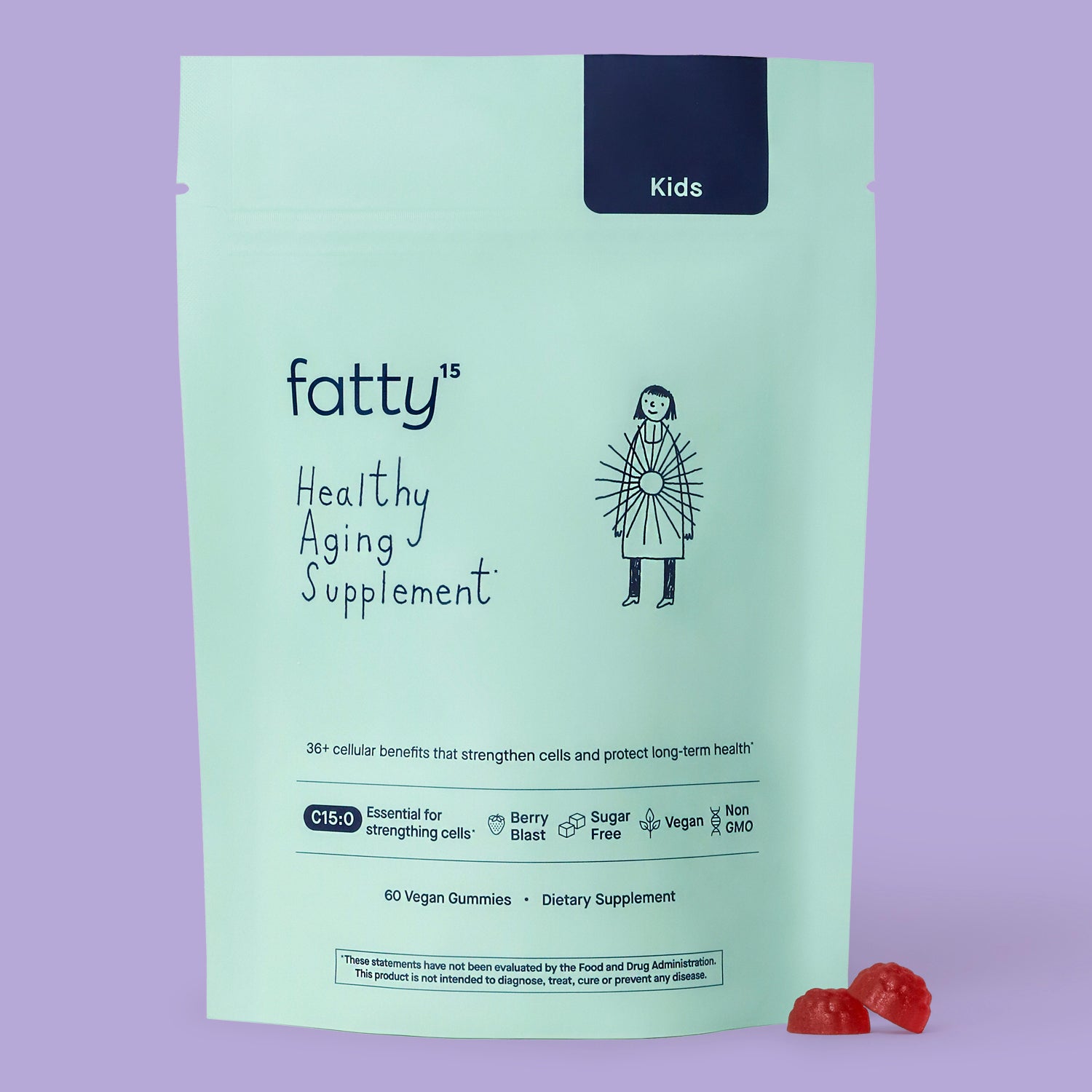
Fatty15 stands apart from all other longevity supplements because it provides pentadecanoic acid (C15:0), a newly identified essential nutrient with broad health benefits. Unlike supplements that target a single pathway, C15:0 supports multiple foundational systems involved in aging.
Research shows that not only do C15:0 levels decline with age, but modern dietary practices have significantly decreased the amount of this nutrient in our diets. We now know that low levels of C15:0 in our body can accelerate aging and impair our metabolic, liver, heart, and cognitive health.
If C15:0 levels are lower than 0.2% of a person’s total fatty acids, they are considered deficient. C15:0 deficiency is called Cellular Fragility Syndrome, and causes cells to become fragile and age more quickly than they should. In fact, Cellular Fragility Syndrome has been directly linked to ferroptosis, a mysterious type of cellular death that causes accelerated aging.
What Makes C15:0 Unique
C15:0 has been shown to:
- Support cell membrane stability. Like astaxanthin, C15:0 integrates into cell membranes to help them stay strong. However, C15:0’s ability to strengthen cells made them up to 80% stronger in research.*
- Maintain mitochondrial function. Many of the supplements referenced helped support mitochondrial function, a key element of protecting longevity. However, C15:0 simultaneously increases ATP production (by up to 350%) while reducing ROS, which can damage cells.*
- Activating AMPK, which helps to clear out damaged cells, regulates glucose uptake, and helps calm immunity and support total body homeostasis.*
- Calm and lower proinflammatory cytokines, a key driver in aging, and supporting a healthy inflammatory response system-wide.*
- Support healthy insulin sensitivity. C15:0 helps support cells’ response to insulin. In one study, participants who followed a Mediterranean diet while supplementing with C15:0 had better outcomes for weight loss, insulin sensitivity, reduced liver fat, reduced triglycerides and cholesterol, and lower overall adipose tissue.*
- Modulate longevity-related pathways such as AMPK and mTOR. This is important because modulation of these pathways helps address many of the hallmarks of cellular aging. Additionally, C15:0 modulated these pathways better than rapamycin in studies.*
- Inhibit FAAH and MAO-B, enzymes linked to neuroinflammation and cognitive decline, giving it neuroprotective properties that help with sleep rhythms, balanced inflammatory response, mood regulation, and smooth communication between neurons.*
C15:0 is a sturdy fatty acid that strengthens cells against age. driving lipid peroxidation, and unlike omega-3s (another class of essential fatty acids), C15:0 does not require oils that are prone to oxidation or fragile fish oil delivery systems.
Why Fatty15 Ranks #1
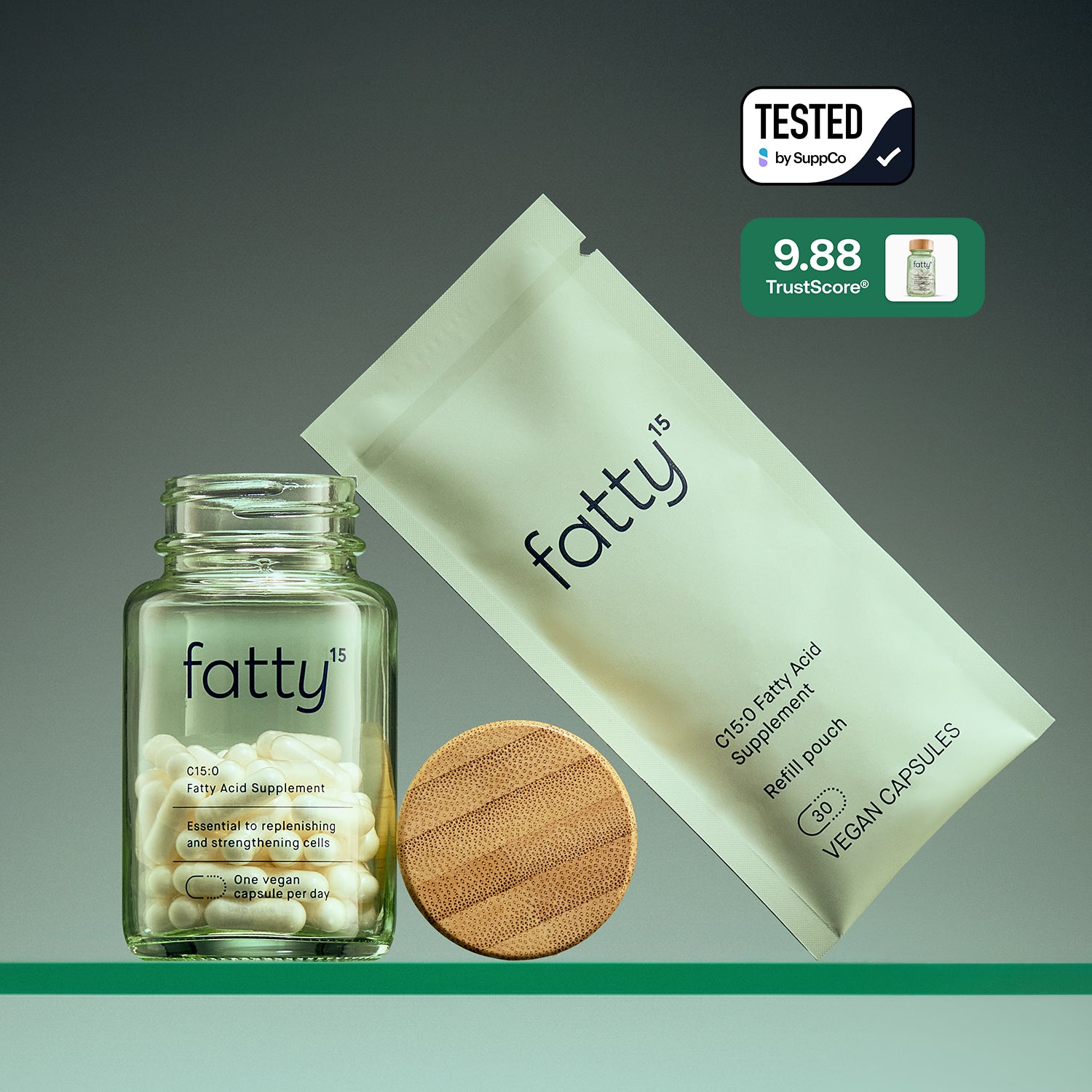
With over 100 peer-reviewed studies supporting C15:0’s long-term health benefits, it is being called ‘The Longevity Nutrient’. Fatty15 is a bioavailable, patented, and award-winning supplement that delivers pure C15:0. Fatty15 stands out for its science-backed approach and sustainable ethos.
Longevity takeaway: Fatty15’s pure C15:0 ingredient strengthens cell membranes, repairs mitochondria, and activates longevity pathways, leading to supported metabolic, liver, immune, and red blood cell health, as well as supports our overall long-term health and wellness.*
FAQs
What is the most powerful anti-aging supplement?
Supplements like CoQ10, collagen peptides, vitamin D, and nicotinamide riboside (NR) are linked to cellular support. C15:0 (found in fatty15) supports cellular health and has neuroprotective properties.*
What is the most scientifically researched supplement?
One of the most researched supplements is Creatine, especially for athletic performance, muscle building, and increasingly for cognitive/clinical benefits, with extensive studies supporting its effectiveness and safety in various populations, making it a gold standard in sports nutrition.
Longevity 101
Longevity is about supporting the systems that allow the body to remain healthy and resilient over time. While many supplements offer partial benefits, only a few have science-backed benefits that can support longevity.
Used strategically and alongside healthy lifestyle habits, supplements like fatty15 may help extend not just lifespan, but the years that truly matter.*
|
*These statements have not been evaluated by the Food and Drug Administration. This product is not intended to diagnose, treat, cure, or prevent any disease. |
Sources:
Antioxidant and anti-inflammatory properties of curcumin | PubMed
Healthy gut, healthier aging | Harvard Health
Anti-Inflammatory Action and Mechanisms of Resveratrol | PMC
The Role of Astaxanthin as a Nutraceutical in Health and Age-Related Conditions | PMC
Coenzyme Q10 Supplementation in Aging and Disease | PMC
Rapamycin for longevity: the pros, the cons, and future perspectives


