


What Age Should Kids Start Taking Supplements & Vitamins?

eric venn-watson's Highlights
- Most healthy children who eat a varied diet get what they need from food, so supplements are the exception rather than the rule.
- A handful of situations genuinely call for support, including vitamin D for breastfed infants, vitamin B12 and iron for some plant-based or selective eaters, and any nutrient gaps your doctor flags.
- C15:0, the nutrient in fatty15's C15:0 supplement, is GRAS certified and considered safe for children age 1 and up, which makes it one option families can consider for long-term cellular health.
As a company built around a powerful longevity nutrient, we hear this question constantly: At what age should kids start taking vitamins and supplements? Supplement aisles are full of colorful bottles aimed at children, social media is full of confident advice, and most of us genuinely want to give our kids every advantage we can.
The short version is that most healthy kids don’t need a cabinet full of supplements, food should come first, and a pediatrician should be part of any decision to add something new. The longer version, which is where the useful detail lives, is below.
The Short Answer: It Depends, and Usually Later Than You Think
For a child who eats a reasonably varied diet, pediatric guidance generally holds that a daily multivitamin isn’t necessary . Growing bodies are remarkably good at getting what they need from a mix of fruits, vegetables, whole grains, proteins, and dairy or fortified alternatives. When kids eat across these groups over the course of a week, they tend to cover their bases.
That said, there are real, well-documented situations in which a specific supplement is recommended from a very young age, and there are life stages and eating patterns that make gaps more likely.
Why Food Comes First for Growing Bodies
Whole foods deliver nutrients in combinations and forms that our bodies recognize and use efficiently, along with fiber, water, and other compounds that no capsule fully replicates. This is also true of C15:0, an essential fatty acid found mainly in whole-fat dairy, so kids who eat little or no dairy may be getting less than their bodies need. Building a child's nutrition around real meals also builds habits that last far longer than any bottle.
There is a practical safety reason, too. With food, it is very hard to overdo any single nutrient. With supplements, it is easier than parents expect, especially with the fat-soluble vitamins A, D, E, and K, which the body stores rather than flushes out.
The first principle for any family is simple: aim to meet needs through meals and snacks, and treat supplements as targeted tools, not daily insurance.
When Supplements Actually Make Sense for Kids
Here is where age and circumstance matter. A few scenarios keep coming up.
Infants
The newborn stage is the one time a supplement is broadly recommended for otherwise healthy babies. Pediatric guidance commonly recommends vitamin D supplementation for breastfed and partially breastfed infants , often initiated within the first days of life, because breast milk alone doesn’t provide enough.
Formula-fed babies who drink smaller volumes may need it too. Some infants also need iron beginning around the middle of the first year. These are not optional wellness add-ons. They are filling known gaps during a period of rapid growth, and they should always be discussed with your pediatrician.
Toddlers and Young Children
Once kids are eating a range of table foods, the need for routine supplementation usually drops. This is the stage where many parents reach for a daily multivitamin out of caution. That is understandable, and for some children it is reasonable, but it is worth asking your pediatrician whether your particular child actually needs one. Many do not.
Selective and Picky Eaters
Plenty of children go through phases of eating a short list of foods over and over. If that phase stretches on, or if whole food groups are missing for a long time, a multivitamin or a specific nutrient may help bridge the gap while you continue working on variety. The supplement is a bridge, not a substitute for continuing to offer a wide range of foods.
Plant-Based, Vegetarian, and Vegan Kids
Children following vegetarian or vegan diets can absolutely thrive, but a few nutrients deserve attention because they are harder to get from plants alone.
Vitamin B12 is the big one, since it comes almost entirely from animal foods or fortified products. Iron, zinc, vitamin D, and certain omega-3 fats also warrant a closer look.
C15:0, an essential fatty acid found mainly in whole-fat dairy, is another nutrient plant-based kids may miss out on, since dairy-free diets naturally limit exposure to it. Families raising plant-based kids often work with a pediatrician or dietitian to decide which of these to supplement and how
The Supplements Parents Ask About Most
When families are weighing options, a handful of products keep coming up. Here is a grounded look at each.
-
Vitamin D supports bone development and immune health, and it is the supplement most likely to be recommended across childhood, in part because many kids simply do not get enough from food and sunlight.
-
Omega-3 fats, especially DHA, support brain and eye development. Kids who regularly eat fish may get enough, while those who do not may benefit from a supplement.
-
Iron is essential for energy, focus, and healthy development, and iron deficiency is one of the most common nutrient deficiencies in young children. It is also a nutrient where too much is genuinely harmful, so it should only be supplemented when a doctor identifies a need.
-
Multivitamins can be reasonable for selective eaters, but they are not a magic shield, and they are easy to over-rely on. Choose one formulated for your child's age and keep it well out of reach.
-
Probiotics get a lot of attention. The evidence is mixed and situational, so this supplement is another "ask your pediatrician about your specific child" item rather than a default.
-
C15:0 is an essential fatty acid found mainly in whole-fat dairy. As full-fat dairy consumption has declined, and as more families reduce dairy or go plant-based, kids may be getting less of it than in past generations. We'll cover this nutrient in more detail below.
If you’re considering any of these, it’s important to know when it is safe to start. Again, it’s a good idea to speak to your child’s pediatrician before starting any supplement routine.
So, What Age Is Old Enough?
Beyond the infant vitamin D and iron exceptions, there is no single magic birthday when supplements suddenly become appropriate. The more useful questions are whether there is a real gap, whether the form is safe for your child's age, and whether the dose is right.
Form matters more than parents sometimes realize. Gummies and chewables are easier for young children than capsules, but they introduce a choking risk for the youngest kids and a temptation to treat them like sweets. Many supplements designed for children set a minimum age of around four years for exactly these reasons. Whatever you choose, store it like medicine, not like a snack.
Introducing C15:0 To Your Child
C15:0, also called pentadecanoic acid, is an essential, odd-chain, saturated fatty acid, and it is the first essential fatty acid to be identified in over 90 years, since the omegas. "Essential" means our bodies cannot make enough of it, so we need to get it from our diet. It shows up mainly in whole-fat dairy, and as full-fat dairy fell out of favor over the past few decades, population levels of C15:0 drifted lower.
C15:0 is foundational because it works at the level of the cell, helping to strengthen cell membranes and support the everyday machinery that keeps cells stable and resilient. That matters at every life stage, which is part of why researchers have begun looking at C15:0 in the context of children's health , including work examining fatty acid patterns and healthy skeletal muscle in children ages 6 to 9 and C15:0's supportive role in liver health.*
When it comes to age, here is the honest picture. The C15:0 ingredient in fatty15's C15:0 supplement is GRAS certified, which is short for “generally recognized as safe.” Based on that status, we consider fatty15 appropriate for children aged 4 and up, as well as for pregnant and nursing moms, with the clear exception of infants and toddlers. *
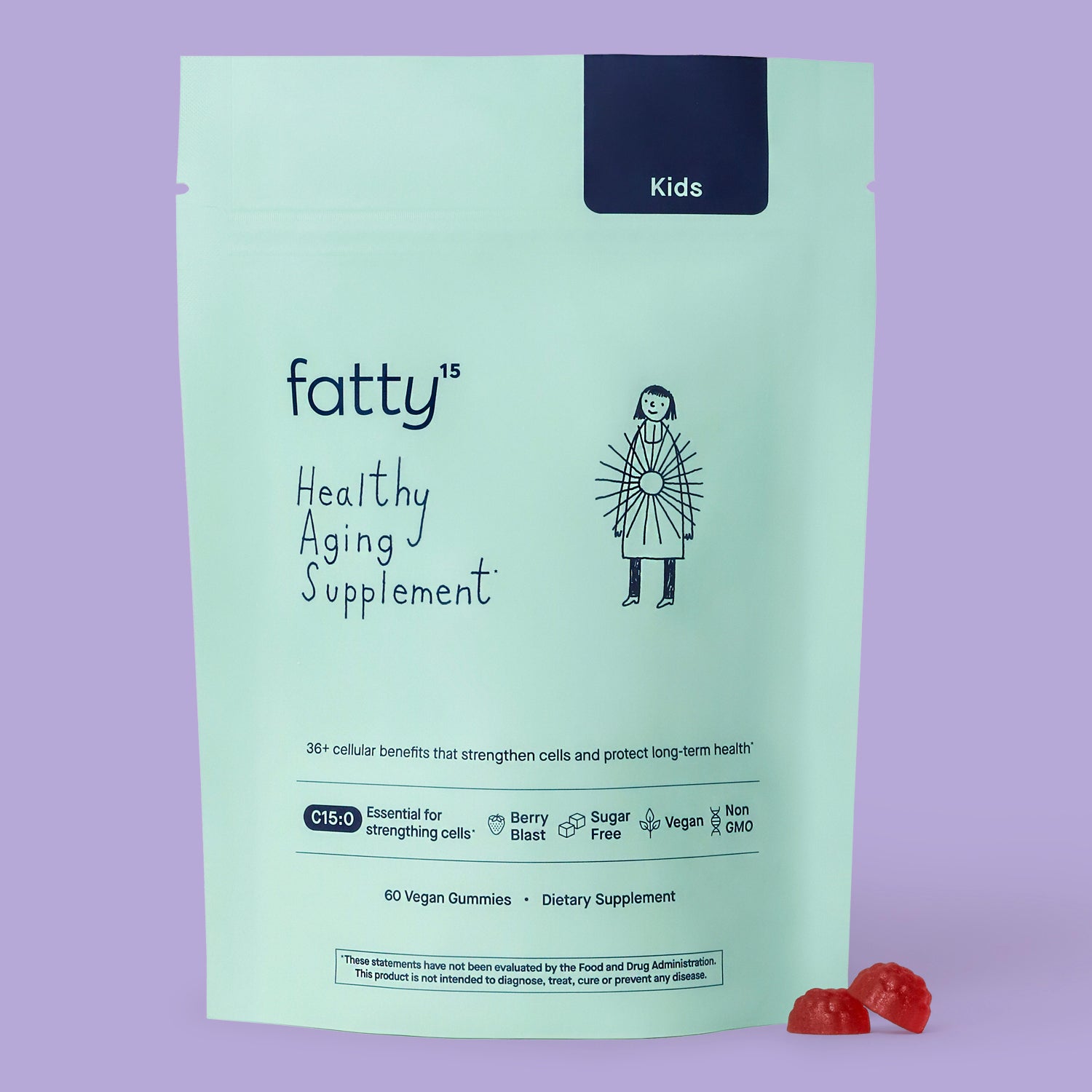
New studies show that C15:0 supports kids’ health . We are also expanding our family of products to include a kid-friendly, sugar-free mixed berry gummy , because we believe in making a foundational nutrient simple and enjoyable for the whole household.
As with any supplement on this page, the right move for your family is a quick conversation with your pediatrician before you start.
How To Choose a Quality Kids’ Supplement
If you and your pediatrician decide a supplement makes sense, quality should be the deciding factor, because the children's supplement market is uneven.
A few things to look for:
Third-Party Testing
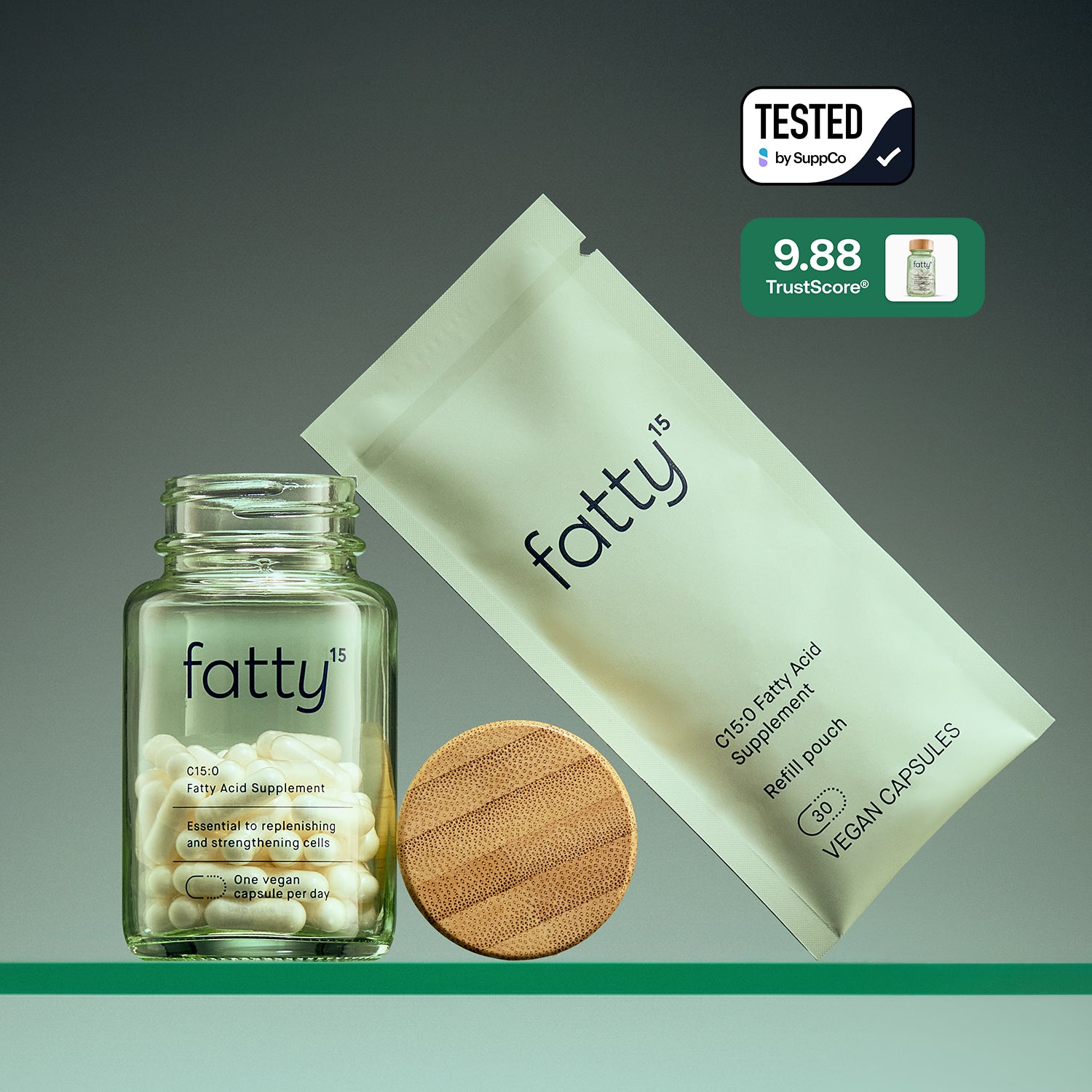
Third-party testing tells you that what is on the label is actually in the bottle. We put fatty15’s C15:0 supplement through TESTED by SuppCo .
This independent program buys products anonymously off the shelf and sends them to accredited labs, certifying only those that meet or exceed 95 percent of their tested label claims. We also agreed up front that the results could be shared publicly, no matter the outcome, because transparency only counts when it is unconditional.
Purity & Simplicity
Look for products that disclose exactly what is inside, keep added sugars low, and skip unnecessary fillers and dyes. Age-appropriate dosing and clear instructions round out the picture. A short, honest ingredient list is usually a good sign.
Making Sense of Supplements
If you came here looking for a specific age to start supplements, the most truthful answer we can give is this: Start with food, talk to your pediatrician, and add supplements only where there is a real, identified need.
For most healthy kids who eat a varied diet, that need is smaller and comes later than the marketing implies. For specific situations, from breastfed infants needing vitamin D to plant-based kids needing B12, the right supplement at the right time genuinely helps.
And for families considering long-term cellular health for the whole household, C15:0 is part of how we think about nutrition at every age. We built fatty15's C15:0 supplement to make this foundational nutrient simple to get, and we are bringing it to growing kids age 4 and up, as well as the grown-ups.
Whatever you choose, choose it deliberately, with quality you can verify and a pediatrician in your corner.
*These statements have not been evaluated by the Food and Drug Administration. This product is not intended to diagnose, treat, cure, or prevent any disease.
FAQs
At what age can kids start taking fatty15's C15:0 supplement?
We consider fatty15's C15:0 supplement appropriate for children aged 4 and up, based on the GRAS (generally recognized as safe) status of our C15:0 ingredient. It is not intended for infants or toddlers. As with any new supplement, we always recommend checking with your pediatrician before you start.
Do healthy children really need a daily multivitamin?
Usually not. Pediatric guidance generally holds that a child who eats a varied diet across food groups doesn’t need a routine multivitamin. We see multivitamins as most useful for selective eaters or kids missing certain food groups. Even then, they work best alongside continued efforts to broaden the diet. Your pediatrician can help you decide whether your specific child would benefit.
Are gummy vitamins safe for kids?
Gummies can be a fine option for children old enough to chew safely, but they come with two cautions. They can be a choking risk for the youngest kids, and because they taste like candy, children may want more than the recommended dose. Choose products with low added sugar, follow the serving size exactly, and store them out of reach like you would any medicine.
How do I know if my child has a nutrient gap?
The most reliable way is to speak with your pediatrician, who can consider your child's diet, growth, and symptoms and order simple lab tests if needed. Long-term picky eating, restrictive or plant-based diets, and certain medical conditions all raise the odds of a gap. We don’t recommend diagnosing a nutrient deficiency on your own, since both too little and too much of a nutrient can cause problems.
|
*These statements have not been evaluated by the Food and Drug Administration. This product is not intended to diagnose, treat, cure, or prevent any disease. |
Sources:
Where We Stand: Vitamin Supplements for Children | HealthyChildren.org
Vitamin D and Breastfeeding | CDC
Fatty15 Passes the Toughest Test in Supplements | PRN


