


What Are the Best Prenatal Vitamins Expecting Mothers Can Take?

Seraphina Therapeutics's Highlights
- There are essential vitamins and minerals expecting mothers should prioritize during their pregnancy.
- Other ingredients (such as herbal additives) may cause harm and should be avoided.
- One nutrient, C15:0, is expanding prenatal nutrition to support both mom and baby.
- When someone becomes pregnant, one of the first recommendations they hear is, “Take a prenatal vitamin.” It’s often presented as something easy to handle in a long list of new responsibilities. Once you start looking more closely, it becomes clear that choosing a prenatal vitamin is not as straightforward as it seems.
- Walk into any pharmacy or browse online, and you’ll find dozens of options, all claiming to be “complete,” “advanced,” or “doctor-recommended.” The packaging may differ, but many of these products are built around the same idea: more nutrients must mean better support. In reality, that approach can miss the point entirely.
- We’ve learned that the best prenatal vitamin isn’t defined by a brand name or how many ingredients it contains. It’s defined by whether it provides the specific nutrients that support both maternal health and fetal development, and whether those nutrients are delivered in forms the body can actually use.
- As our understanding of nutrition has evolved, so has our perspective on what “good” prenatal support looks like. With new information, we can take a more thoughtful look at which vitamins and minerals truly matter.
Rethinking Prenatal Nutrition in 2026
For many years, prenatal vitamins were designed to prevent the most serious nutrient deficiencies associated with pregnancy. This approach was incredibly important. Nutrients like folate and iron helped reduce the risk of neural tube defects and anemia, and they remain essential today.
As nutrition science has progressed, so has the science behind prenatal vitamins. We now understand that prenatal health should address both deficiencies and support optimal cellular function. During pregnancy, this distinction becomes even more important because the body is maintaining itself and building an entirely new human being.
Every organ system in a developing baby begins as a collection of cells. Those cells rely on nutrients to divide, differentiate, and communicate effectively. At the same time, the mother’s body is adapting to support this process, increasing blood volume, adjusting hormone levels, and managing increased metabolic demands. These changes require a steady and balanced supply of nutrients.
This is why prenatal nutrition today is better understood as a foundation for cellular health. This means a prenatal vitamin should support resilience, stability, and long-term function. This shift changes how we evaluate prenatal supplements and what we look for when choosing one.
The Core Nutrients That Matter
When we move past branding and marketing language, a clear group of nutrients consistently stands out as essential during pregnancy. These are the vitamins and minerals that directly support growth, development, and maternal health.
1. Folate
Folate remains one of the most important prenatal nutrients, particularly in early pregnancy. It plays a central role in DNA synthesis and cell division, which are processes happening at a rapid pace during fetal development.
However, the form of folate matters just as much as the amount. Many individuals do not efficiently convert synthetic folic acid into its active form, which is why methylated forms such as 5-MTHF are often preferred for better absorption and utilization.
2. Iron
Iron is another key nutrient, especially as pregnancy progresses. The body’s blood volume expands significantly, and with it comes an increased need for oxygen transport. Iron supports the production of hemoglobin, ensuring that both mother and baby receive adequate oxygen.
At the same time, iron supplements can sometimes cause digestive discomfort, which is why the form and dosage should be carefully considered rather than simply maximized.
3. Choline
Choline is one of the most overlooked nutrients in prenatal nutrition, despite its importance. It plays a vital role in brain development and neural signaling, contributing to cognitive outcomes that may extend well beyond infancy.
Many prenatal vitamins contain little to no choline, so expecting mothers often need to be intentional about getting it through diet or additional supplementation.
4. Iodine
Iodine supports thyroid function, which regulates metabolism and plays a critical role in fetal brain development. During pregnancy, the demand for thyroid hormones increases, making iodine intake especially important. Even mild deficiencies can have an impact, which is why consistent inclusion in prenatal support matters.
5. Vitamin D
Vitamin D is another foundational nutrient, supporting immune function, calcium absorption, and bone development. Vitamin D also contributes to cellular signaling pathways that influence how the body responds to various physiological demands.
Many individuals enter pregnancy with suboptimal vitamin D levels, making this an area where supplementation can make an important difference.
6. Calcium and Magnesium
Calcium and magnesium work together to support skeletal development, muscle function, and nerve signaling. While calcium often receives more attention, magnesium plays an equally important role in maintaining balance within the body.
It contributes to muscle relaxation and may support overall comfort during pregnancy, particularly as the body adapts to physical changes.
7. DHA
DHA, an omega-3 fatty acid, is widely recognized for its role in brain and eye development . It has become a common addition to prenatal routines, either within a multivitamin or as a separate supplement. As with other nutrients, quality and stability are important considerations when evaluating sources of DHA.
Taken together, these nutrients form the backbone of a solid prenatal vitamin. They directly support the biological processes that define pregnancy.
What Expecting Mothers Should Approach With Caution
While it is important to focus on what to include, it is equally important to consider what may not belong in a prenatal vitamin. Pregnancy is a time when the body becomes more sensitive to both beneficial and potentially harmful inputs, which means that more is not always better.
Vitamin A
Vitamin A is essential for development, but excessive intake of preformed vitamin A, known as retinol, may be harmful during pregnancy. For this reason, many experts recommend relying on beta-carotene forms, which the body can convert as needed rather than being exposed to high levels of active vitamin A.
Herbal Additives
Herbal additives are another area where caution is warranted. Some prenatal supplements include blends of herbs that are marketed as supportive or natural. However, not all of these ingredients have been well studied in pregnant populations. Without clear safety data, it is often better to avoid unnecessary additions and focus on nutrients with established roles.
Dose Matters
There’s growing awareness that excessive dosing can create unintended consequences. Taking very high levels of certain vitamins and minerals does not necessarily improve outcomes. In some cases, it can interfere with the absorption of other nutrients or place additional stress on the body’s regulatory systems. Pregnancy is not a time to push extremes. It is a time to maintain balance.
Why Form and Absorption Make a Difference
One of the most overlooked aspects of prenatal vitamins is the form in which nutrients are delivered. Two products may appear identical on a label, yet function very differently once they are in the body.
Some nutrients require conversion before they can be used. Others are already in active forms that the body can readily absorb. This distinction can influence how effectively a supplement supports cellular processes.
For example, methylated forms of folate bypass certain metabolic steps, making them more accessible for individuals with genetic variations that affect folate metabolism. Similarly, different forms of minerals, such as magnesium or iron, can vary in how well they are tolerated and absorbed.
This is why quality matters more than quantity. A prenatal vitamin with fewer, well-chosen nutrients in bioavailable forms may be far more effective than one that attempts to include everything in large amounts without considering how those nutrients function.
More Than Vitamins
For a long time, prenatal nutrition has centered almost entirely on vitamins and minerals. More recently, omega-3 fatty acids have become part of the discussion, particularly DHA. But emerging research is pointing to another category of nutrients that deserves attention.
Fatty acids play a foundational role in cellular structure and signaling. They are integral components of cell membranes and influence how cells communicate and respond to their environment. This brings us to a newly recognized essential fatty acid that is changing how we think about nutrition: C15:0, also known as pentadecanoic acid.
C15:0 and the Future of Prenatal Nutrition
C15:0 is an odd-chain, essential, saturated fatty acid that has been identified as having broad health benefits. Unlike nutrients that act in a single pathway, C15:0 appears to support multiple systems simultaneously.*
It contributes to the strength and stability of cell membranes , helping cells maintain their structure under stress.* It also supports mitochondrial function , which is central to energy production and overall metabolic health.* In addition, it interacts with key signaling pathways, including AMPK and PPAR, which are involved in how the body regulates inflammation and metabolism.*
During pregnancy, these functions become especially important. The body is undergoing rapid change, and the developing baby relies on stable, well-functioning cells at every stage of growth. Supporting these processes at the cellular level may have implications not only for pregnancy outcomes but also for long-term health.
There is also growing interest in how fatty acids are transferred from mother to child. During pregnancy and breastfeeding, maternal nutrient status plays a direct role in what is available to the developing baby. This reinforces the importance of a well-rounded nutritional approach that includes not only vitamins and minerals but also essential fatty acids.
Getting C15:0 In Your Prenatal Diet
It’s hard to get enough C15:0 through diet alone. Found in trace amounts in full-fat dairy, expectant mothers may struggle to obtain the C15:0 they need without adding excess calories (from full-fat dairy) and other bad, even-chain saturated fats to their diets.
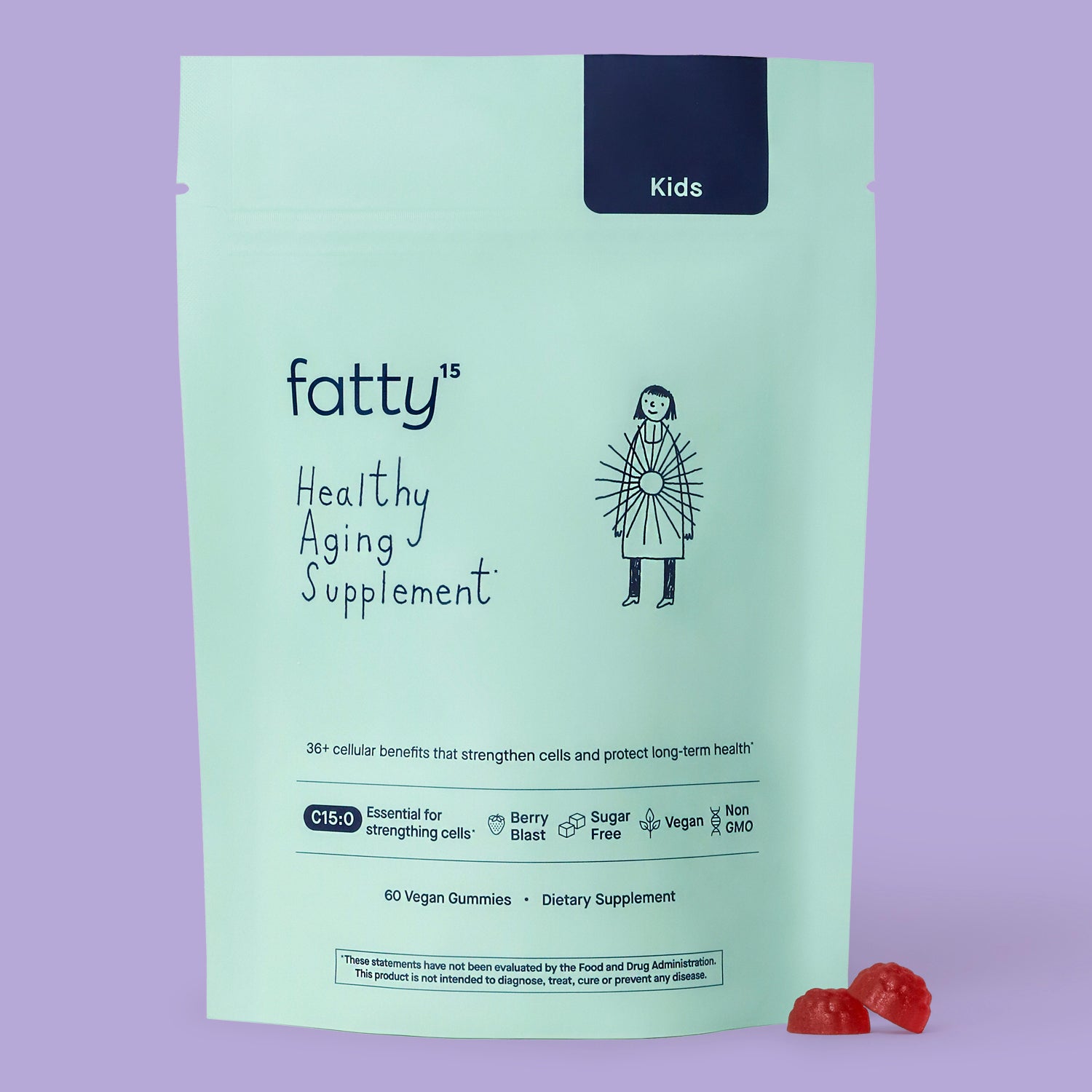
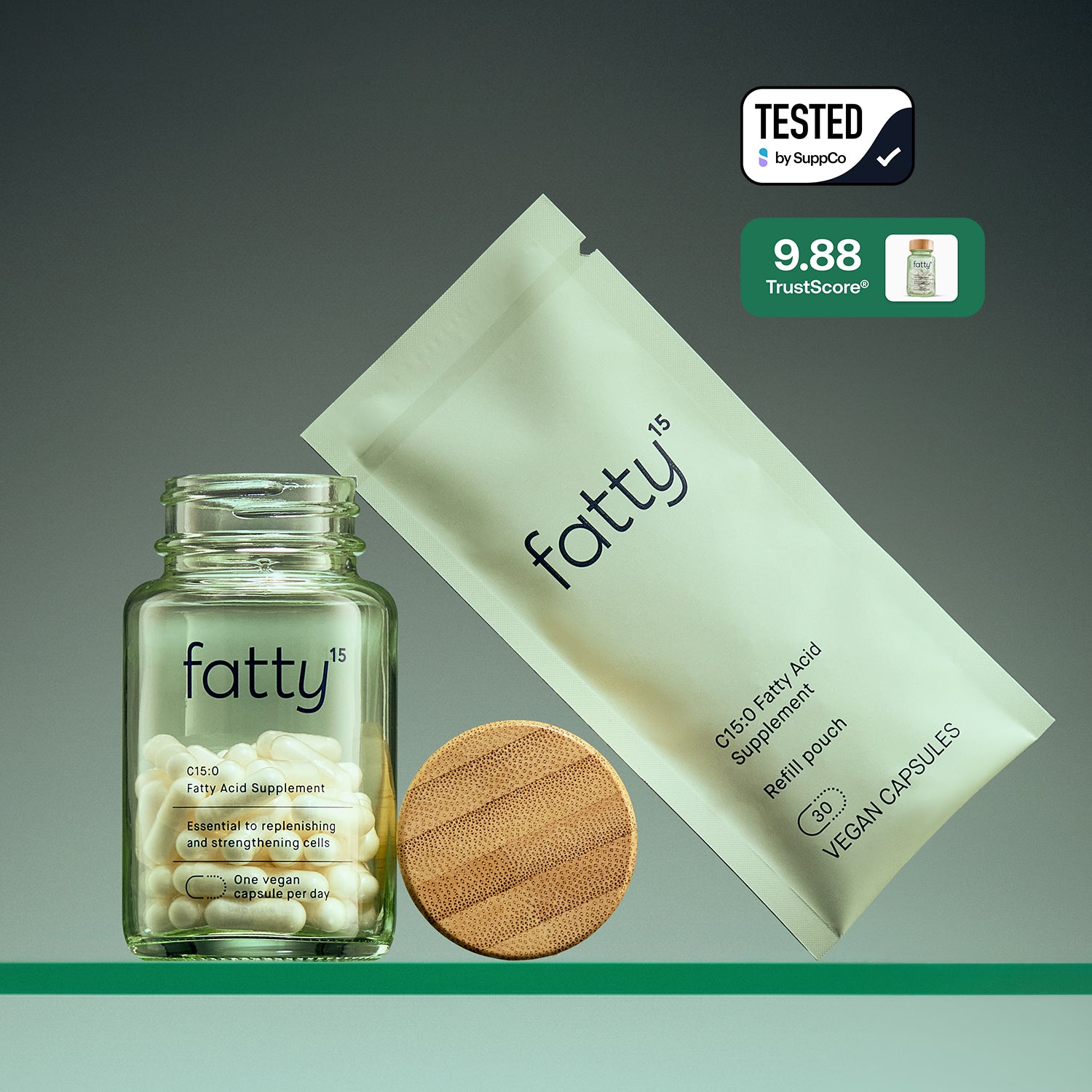
Instead, there’s fatty15 . Fatty15 is the first and only supplement, born of scientific research , that contains the pure, vegan-friendly version of C15:0. It’s already in free fatty acid form, making it easy for the body to absorb.
Fatty15 complements prenatal nutrients, but does not replace them. Vitamins and minerals remain essential, but adding support for cellular health through C15:0 helps round out the overall picture.
For expecting mothers, safety is always a primary consideration. C15:0 has been studied for its role in supporting health and is considered safe for use during pregnancy and breastfeeding, making it a practical addition to a well-designed prenatal routine.*
The Healthiest Pregnancy Possible
Pregnancy is a time of incredible transformation, and nutrition plays a central role in that journey. The goal is to support the body in a way that aligns with how it naturally functions.
By focusing on essential vitamins and minerals, being mindful of what to avoid, and embracing emerging insights into cellular health, we can create a prenatal approach that feels both grounded and forward-thinking.
FAQs
What is the best prenatal vitamin to take while pregnant?
Top-rated prenatal vitamins generally include 400–800 mcg of folic acid, iron, calcium, and DHA for brain development.
What vitamins are good for cervical mucus?
Vitamin D also plays a key role in estrogen synthesis, making it essential for healthy cervical mucus.
Can I take L-theanine while pregnant?
It is generally advised to avoid L-theanine supplements during pregnancy due to limited safety research.
Sources:
The Importance of Iron in Pregnancy: What Women Should Know | News | Yale Medicine
Essential fatty acids in visual and brain development | PubMed


