


5 School Lunch & Nutrition Ideas for Picky Eaters

eric venn-watson's Highlights
- Picky eating is common and usually a phase, so the goal is steady, low-pressure exposure to a range of foods rather than winning every single meal.
- A simple lunchbox formula of one protein, one whole grain, one fruit or veggie, and one fun extra makes packing faster and quietly builds in variety.
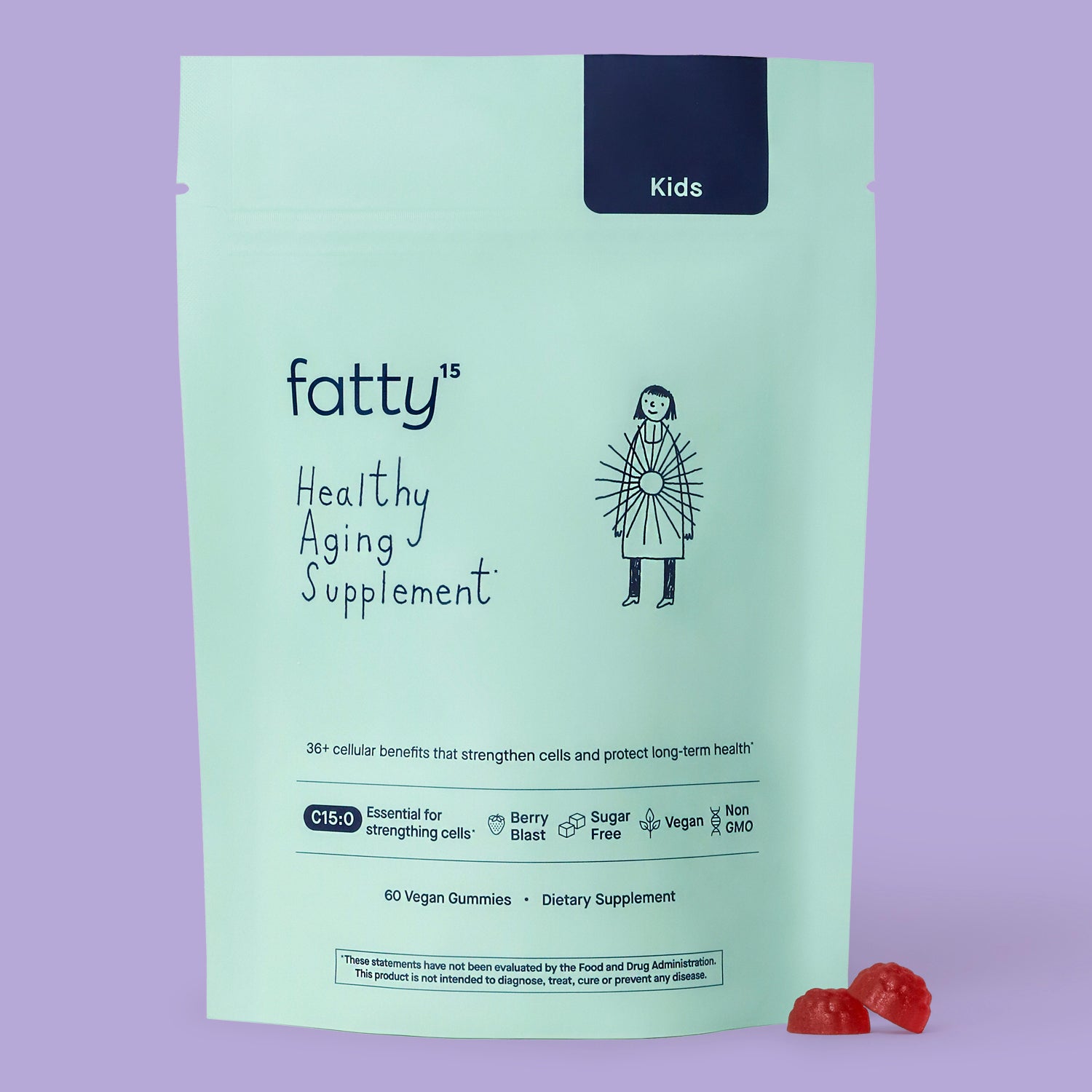
- When a narrow diet leaves gaps, food comes first, but targeted support can help. C15:0, the nutrient in fatty15's C15:0 supplement, is an essential nutrient that may be missing from your child’s diet.
If you have ever packed a lunch with love, only to have it come home barely touched, you are in very good company. As a company obsessed with nutrition, we hear from parents constantly about the daily puzzle of feeding a picky eater, and the lunchbox is where that puzzle gets real.
You want the meal to be nourishing. Your child wants it to be familiar, fun, and ideally beige.
The good news is that you don’t have to choose between the two. With a few simple strategies and a flexible formula, you can pack school lunches that picky eaters will actually eat while gently widening the range of foods they accept.
Below are the ideas we keep coming back to, plus an honest look at how to address the nutrition gaps that picky phases sometimes create.
First, a Little Reassurance About Picky Eating
Picky eating is one of the most normal parts of childhood. Toddlers and preschoolers are wired to be cautious about new foods, a tendency researchers call food neophobia .
It often peaks in the early years before easing over time. Mealtimes are also one of the few areas where young kids feel they have real control, so food can become a place where they test boundaries.
Knowing this takes some of the pressure off. A child refusing broccoli today is not a referendum on your parenting, and it doesn’t mean they will refuse it forever. Most kids slowly expand their palates with repeated, no-pressure exposure.
So, if you take one idea from this article, let it be this: your job is to keep offering good options calmly and consistently and to let your child decide how much to eat.
The Mindset That Makes Lunch Easier
A helpful framework that many dietitians use divides feeding into clear roles. You (the parent) decide which foods are offered, when, and where meals occur. Your child decides whether to eat and how much to eat. When you hold up your end and let your child own theirs, the daily power struggle tends to shrink.
In practice, that means packing a lunch with a few balanced options, then releasing the outcome. If three or four items come home today, that’s fine. Keep including small portions of less familiar foods alongside the safe favorites, with zero pressure to finish them. Repeated friendly exposure is how new foods gradually become accepted.
1. The Build Your Own LunchBox Formula
When packing feels overwhelming, a formula saves the day. We like a simple four-part template that works for almost any child:
-
One protein, to support steady energy and growth
-
One whole grain or other carbohydrate, for fuel
-
One fruit or vegetable, for fiber, vitamins, and color
-
One fun extra, because joy belongs in a lunchbox, too
Add a drink, usually water or milk, and you are done. The beauty of a formula is that you can mix and match within each category based on what your child currently tolerates, so the lunch stays familiar enough to feel safe while the specific items rotate.
Protein Ideas Picky Eaters Tend To Accept
Protein is often the trickiest category, so here is a generous menu to choose from:
-
Turkey or chicken rolled into pinwheels or cut into fun shapes
-
Cheese cubes, string cheese, or a small portion of a favorite cheese
-
Hard-boiled eggs, halved or sliced
-
Hummus or bean dip with dippers
-
Yogurt or a yogurt tube, ideally lower in added sugar
-
Nut or seed butter on a whole grain cracker, where allergy rules allow
-
Edamame or a few meatballs from last night's dinner
Whole Grains and Carbs That Travel Well
-
Whole grain crackers, mini bagels, or a soft wrap
-
Pasta salad with a light sauce that kids already like
-
Brown rice or a grain bowl base with familiar toppings
-
Whole-grain muffins you can batch and freeze
-
A small portion of last night's pizza, which counts and reduces waste
Fruits and Veggies, Made Approachable
The trick with produce and picky eaters is presentation and dip.
-
Cut fruit into thin slices, sticks, or playful shapes
-
Berries, grapes halved for safety, melon, or apple slices
-
Cucumber rounds, bell pepper strips, or baby carrots paired with hummus or ranch
-
A few cherry tomatoes halved, or sweet corn off the cob
-
Freeze grapes or berries to double as a cooling pack and a treat
If raw veggies are a hard no, lightly steamed and chilled options, blended veggie sauces on pasta, or veggie-packed muffins can carry some of the load while you keep offering the fresh versions.
2. The Power of Dips, Shapes, and Compartments
Two simple tactics do a lot of heavy lifting. The first is dipping. Many kids who refuse a food on its own will happily eat it with hummus, yogurt, guacamole, or a favorite dressing, and the dip itself can add nutrition.
The second is presentation. A bento-style box with separate compartments keeps foods from touching, which matters enormously to many picky eaters, and lets your child graze across small portions rather than facing one big intimidating pile. Fun shapes, colorful picks, and a little variety go a long way toward making lunch feel inviting.
3. Ready-to-Pack Lunchbox Combinations
To make this concrete, here are a few balanced combos built from the formula above:
-
Turkey pinwheels, whole grain crackers, cucumber rounds with hummus, and a few berries.
-
Yogurt tube, mini whole-grain bagel with cream cheese, apple slices, and a small handful of granola.
-
Pasta salad with peas and cheese, cherry tomatoes halved, melon, and a couple of pretzels.
-
Hummus with pita and veggie sticks, a hard-boiled egg, grapes halved, and a clementine.
-
Nut or seed butter on whole grain bread cut into shapes, carrot sticks, strawberries, and a cheese stick.
Rotate these, and your child gets variety without you having to reinvent lunch every morning.
4. Snacks and After-School Nutrition
The eating day doesn’t end at lunch, and the after-school stretch is a great chance to fill in the nutrition that didn’t make it into the lunchbox.
Keep easy, balanced options ready: fruit with nut or seed butter, yogurt with berries, whole-grain toast, cheese and crackers, or a quick smoothie. Smoothies are a friendly way to combine fruit, a protein source, and even a handful of greens into something most kids happily drink.
5. When Picky Eating Leaves Nutritional Gaps
Sometimes, a picky phase narrows the diet enough that you start to wonder whether your child is missing something. Here is how we think about it.
Food still comes first. Keep using the strategies above, keep offering variety without pressure, and remember that most kids meet their needs across a whole week, even when any single day looks unbalanced.
If you are genuinely concerned about gaps, the next step is a conversation with your pediatrician, who can review your child's growth and diet and determine whether a targeted supplement makes sense. Common gaps in selective eaters include vitamin D, iron, and certain fats like C15:0, and a doctor can help you fill the real gap rather than guessing.
C15:0 and Kids
C15:0, also called pentadecanoic acid , is an essential, odd-chain, saturated fatty acid, and it is the first essential fatty acid to be identified in over 90 years. "Essential" means our bodies cannot make enough on their own, so we need it from the diet, primarily from whole-fat dairy.
As full-fat dairy fell out of favor over recent decades, C15:0 levels across the population declined, and picky eaters who avoid dairy are especially likely to be low in it. C15:0 acts at the cellular level, strengthening cell membranes and supporting the everyday machinery that keeps cells stable, which is part of why researchers are now looking at it in the context of children's health .
The C15:0 in fatty15's C15:0 supplement is GRAS-certified (generally recognized as safe), and appropriate for children aged 1 and up, as well as pregnant and nursing moms. The kid-friendly, sugar-free mixed berry gummy is a hit with kids.
Choosing Quality
If you and your pediatrician decide a supplement is appropriate, quality matters because the children's supplement market is uneven. Look for products that are tested by an independent third party, that keep added sugars low, and that disclose exactly what is inside.
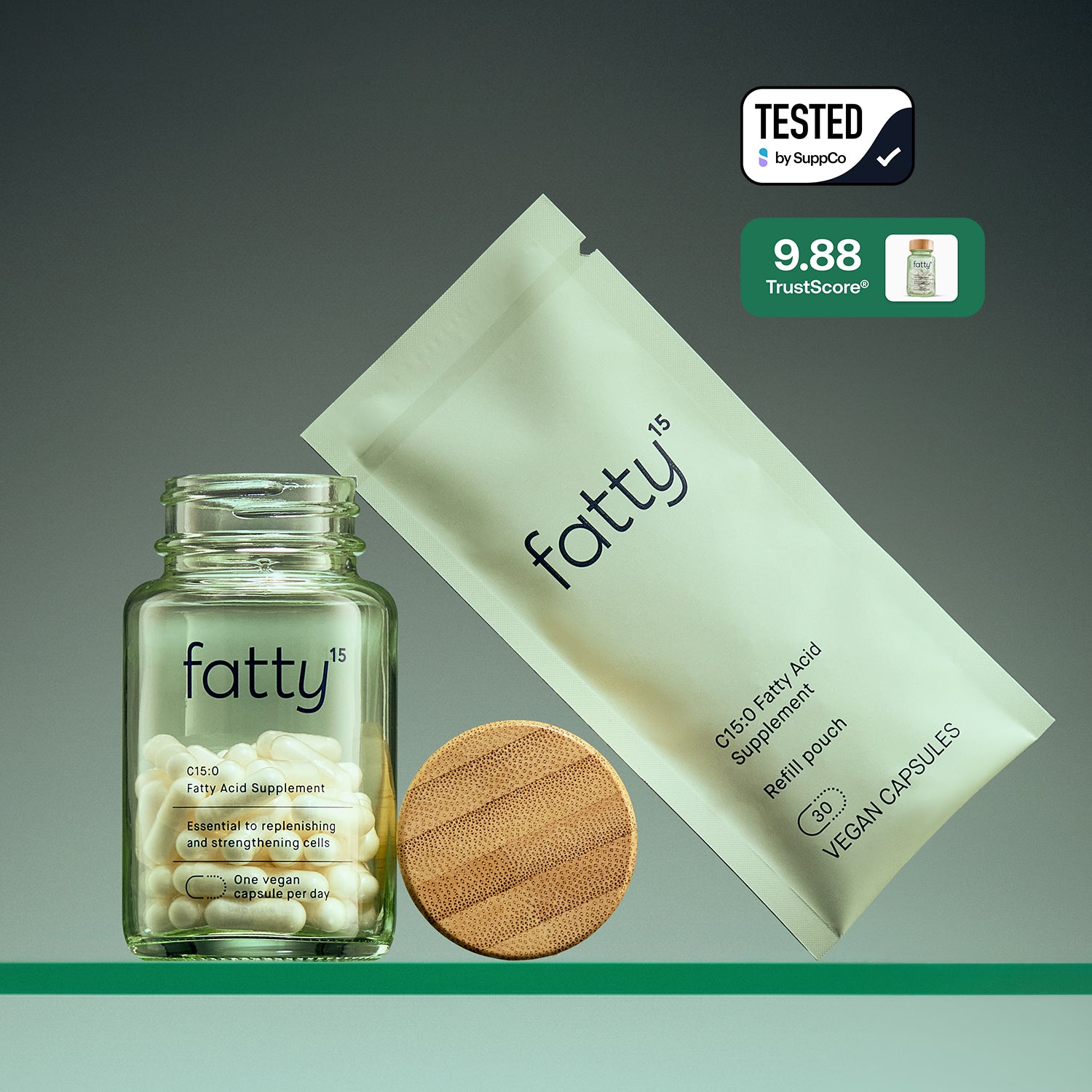
Fatty15’s C15:0 supplement was TESTED by SuppCo . This program buys products anonymously off the shelf and sends them to accredited labs, certifying only those that meet or exceed 95 percent of their tested label claims. Fatty15’s score of 9.88 puts it in the top 1% of all supplements tested.
Pick Up Where Picky-Eating Leaves Off
Feeding a picky eater is a long game, and the lunchbox is one of your best tools for playing it well. Lean on a simple formula, offer variety without pressure, make food fun and dippable, and trust that small, repeated exposures add up over time. Keep food at the center, loop in your pediatrician when you suspect a gap, and treat supplements as targeted support rather than a shortcut.
And as you think about nourishing your whole family for the long term, C15:0 is part of the approach to improving cellular health at every age, from the growing to the grown up.
FAQs
Is picky eating something I should worry about?
For most toddlers and young kids, picky eating is a normal developmental phase that eases with time and patient exposure. It is worth talking with your pediatrician if your child eats only a very small number of foods, gags, or has strong sensory reactions, is losing weight or not growing as expected, or if mealtimes are causing significant stress. A doctor can tell the difference between ordinary pickiness and something that needs more support.
How can I add nutrition without starting a mealtime battle?
Keep the pressure low. Offer a balanced lunch and let your child decide how much to eat, pair a new or less-loved food with a familiar favorite, and use dips and fun shapes to make produce more appealing. Smoothies and veggie-packed muffins are friendly ways to add nutrients, and consistency over weeks matters far more than any single meal.
Can a supplement help my picky eater?
It can, in the right situation, but food comes first. If a narrow diet is leaving real gaps, your pediatrician may suggest a targeted supplement, such as vitamin D or iron, based on your child's needs. We see supplements as a bridge that supports your child while you keep working to broaden their diet, not as a replacement for meals.
At what age can kids take fatty15's C15:0 supplement?
Fatty15's C15:0 supplement is appropriate for children ages 1 and up.
|
*These statements have not been evaluated by the Food and Drug Administration. This product is not intended to diagnose, treat, cure, or prevent any disease. |
Sources:
Neophobia—A Natural Developmental Stage or Feeding Difficulties for Children? | PMC


