


New USDA Dietary Guidelines for 2026: The Ultimate Guide

Seraphina Therapeutics's Highlights
- The old U.S. dietary guidelines treated saturated fat as something to cut back, but the 2026 guidelines suggest considering the source of the saturated fat.
- This shift supports that not all saturated fats are the same, and new research identifies C15:0 as a saturated fatty acid with important health benefits.
- Understanding that not all saturated fat is harmful is important for helping us identify which fats could help us stay healthier longer.
- Every five years, the U.S. government updates the Dietary Guidelines for Americans to reflect the latest in nutrition science. These guidelines shape everything from school meals to public health messaging and how many of us think about eating “healthfully.” Heading into 2026, one topic remains central: What do we do with fat?
- For years, the dominant message was built around restriction, with an emphasis on cutting fat, avoiding saturated fat, avoiding full-fat dairy, and counting calories. The new guidelines are focused on real food, nutrient density, and cutting back on highly processed foods.
- Let’s take a look at the new USDA dietary guidelines for 2026 and the changes they’ve made in terms of fats, food sources, and recommendations.
What the New USDA Dietary Guidelines Actually Say
The newly published federal guidelines are built around a strong “eat real food” message. They call for dietary patterns centered on protein-rich foods, dairy, vegetables, fruits, some fats, and whole grains, while urging Americans to reduce highly processed foods that contain refined carbohydrates, added sugars, excess sodium, unhealthy fats, and additives.
Old dietary guidelines focused on what you should cut out, which created an entire era of low-fat snacks, fat-free dairy products, and highly processed foods marketed as “healthy” simply because a single number on the label looked better.
The new guidelines sound different. The opening message is direct: eat real food and focus on nutrient density. Protein, dairy, vegetables, fruits, healthy fats, and whole grains take center stage while the guidelines call for a dramatic reduction in highly processed foods, refined carbohydrates, added sugars, and additives.
Old Vs. New Recommendations
The easiest way to sort through the new information is to compare it to the old information. For each recommendation, we’ll compare it to the old messaging of the last few decades and discuss why it is important.
1. Protein
Protein has always been important, but the older messaging on it often felt secondary to the conversation about low fat. Many people were encouraged to emphasize lean protein while being cautious about red meat, eggs, and full-fat animal foods.
The new guidelines clearly tell us to prioritize high-quality, nutrient-dense protein at every meal. They recommend a range of animal and plant-protein sources, including eggs, poultry, seafood, red meat, beans, lentils, legumes, nuts, seeds, and soy. They also include a specific protein target of 1.2 to 1.6 grams of protein per kilogram of body weight per day.
This highlights the fact that protein plays a central role in muscle health, satiety, metabolic health, and healthy aging.
2. Dairy
If you grew up in the 80s or 90s, you probably lived in a household that drank fat-free or low-fat milk. The assumption was that reducing overall fat intake automatically made dairy healthier to consume. The new guidelines take a much different approach.
Updated guidance states that when consuming dairy, we should include full-fat dairy with no added sugars. Dairy is simultaneously described as an excellent source of protein, healthy fats, vitamins, and minerals. The advice continues to recommend three servings per day as part of a 2,000-calorie diet.
This change is important, but it doesn’t indicate that dairy is mandatory for everyone. What it does mean is that the automatic preference for low-fat or no-fat dairy is no longer the standard, and that’s important because whole dairy contains trace levels of nutrients like C15:0, which we will come back to later.
3. Fruits and Vegetables
While the old dietary guidelines always encouraged the consumption of fruits and vegetables, the messaging was generalized. Americans were encouraged to eat more produce or “make half your plate fruits and vegetables.”
New guidelines continue to push for eating fruits and vegetables, but in a more whole-food direction. They recommend eating a variety of colorful, nutrient-dense vegetables and fruits throughout the day, and ideally in their original, non-processed form.
Frozen, dried, or canned options are also included when they have no or very limited added sugars. EVen 100% juice is treated more cautiously, with advice to consume it in limited portions or to dilute it with water.
This may seem like a subtle change, but it ties in to the larger theme of the guidelines themselves, which is eating more food in its natural, non-manipulated state.
4. Whole Grains
The older conversation around grains often focused on total servings, with less practical attention paid to just how much of the American diet had been built around refined carbs and ultra-processed grain products.
Now, the emphasis is on reducing refined carbohydrates, focusing on fiber-rich whole grains. The guidelines specifically recommend reducing highly processed, refined carbohydrates such as white bread, packaged breakfast foods, flour tortillas, and crackers.
This change is one of the clearest signs that our dietary guidance is moving away from simply counting the grams and toward a deeper concern with food quality and processing.
5. Added Sugars
We’ve always been warned against excess sugar, but the current guidelines are more direct and practical in the discussion. They repeatedly emphasize reducing added sugars, avoiding sugar-sweetened beverages, and limiting highly processed sweet foods.
They even provide a practical threshold, stating that one meal should contain no more than 10 grams of added sugars. They also encourage label-reading and list common names for added sugars and syrups.
This reinforces the same overall shift with nutrition. The issue is rarely a single nutrient, but a broader pattern of highly processed foods loaded with refined carbs, additives, and added sugars.
6. Processed Foods
For years, processed foods were often judged by individual nutrient markers alone. For instance, if a product was labeled “low-fat,” it was automatically gifted the halo of health.
The new guidelines are more skeptical of highly processed, packaged, prepared, and ready-to-eat foods. They recommend avoiding salty and sweet packaged foods, reducing foods with artificial flavors and petroleum-based dyes, preservatives, and non-nutritive sweeteners. Instead, they call for eating home-prepared, nutrient-dense meals.
7. Gut Health
A new addition to the nutrition guidelines is the explicit discussion of gut health. The guidelines note that the gut microbiome contains trillions of bacteria and other microorganisms, and that highly processed foods can disrupt this balance. In contrast, vegetables, fruits, fermented foods, and high-fiber foods are described as supportive of a diverse microbiome.
That’s a good example of how the new guidelines are broader than older dietary advice. Instead of just talking about calories and macros, they now include discussion about how food patterns affect systems like digestion and microbial balance.
8. Fats
One of the most interesting changes to the dietary guidelines is fats. For decades, the basic messaging around fats was very simple: fat was something to limit, and saturated fat was to be avoided at all costs. This mindset shaped the entire low-fat era and is the reason why more than half of adults in one poll admitted to avoiding all fat in their diets .
The new guidelines flip the fat conversation on its side. In general, the recommendation for saturated fat is that consumption should not exceed 10% of daily calories, but the framing is more nuanced.
The guidelines describe healthy fats as plentiful in whole foods, such as meats, poultry, eggs, omega-3-rich seafood, nuts, seeds, full-fat dairy, olives, and avocados. They also say that when cooking with or adding fats to meals, we can prioritize oils with essential fatty acids, such as olive oil, while noting that other options can include butter .
They also say that more research is needed to determine which types of dietary fats best support long-term health. This is an important point, because it moves the conversation about fat away from a fear-based, overly broad message of avoidance toward a more open, whole-foods-based conversation.
Why does this matter? Because not all saturated fats are the same.
Not All Saturated Fats Are the Same
The phrase “saturated fat” has often been treated as if it describes one thing with one effect. But science supports that saturated fatty acids are not interchangeable . Different saturated fats have different structures and may behave differently in the body.
In particular, there is growing interest in odd-chain saturated fatty acids, including C15:0, which are different from the even-chain saturated fats more commonly discussed in traditional fat debates.*
Odd-chain saturated fatty acids, specifically C15:0, have been shown to support metabolic, immune, and cellular health, and science increasingly supports a distinction between “good” and “less beneficial” saturated fats.*
What Is C15:0?
C15:0, also known as pentadecanoic acid, is an odd-chain saturated fatty acid that is essential to our bodies. Essential means we need the nutrient to thrive, but cannot readily make it on our own. We have to get essential nutrients from diet or supplements.
C15:0 helps our bodies in several foundational ways.
-
Strengthens cells to protect against age-related breakdown*
-
Improves mitochondrial function by 45%
-
Improves cellular signaling related to liver health, healthy inflammatory response, healthy immune response, healthy glucose response, and cognitive health in humans.*
-
Higher levels of C15:0 were associated with better overall health and longevity in cellular and pre-clinical studies.*
Those are some impressive health benefits that an entire generation of people have been missing due to outdated dietary guidelines that told us all saturated fat was bad. Now, we know better, and we can do better.
FAQs
What are the new dietary guidelines in 2026?
The Guidelines emphasize simple, flexible guidance rooted in modern nutrition science: Prioritize protein at every meal.
What is the new food regulation 2026?
Starting July 1, 2026, this bill prohibits the sale of any food item (except eggs and infant formula) for human consumption in California that is not labeled for quality using the terms "best if used by" or "best if frozen by" or labeled for food safety using the terms "use by" or "use or freeze by."
What single food can you survive on the longest?
Potatoes are generally considered the best single food to survive on for the longest time, due to their comprehensive amino acid profile, protein, and essential vitamins.
Getting C15:0
While whole-fat dairy contains trace amounts of C15:0, increasing your intake of whole milk isn’t the best solution for increasing your C15:0 levels. This is because whole-fat dairy still contains a much higher level of “bad” pro-inflammatory even-chain saturated fats and lactose, which the body converts to sugar.
Couple those facts with the process the body must use to break down the C15:0 and get it into free fatty acid form, and you realize that consuming more whole-fat dairy is simply a less efficient way to increase your C15:0 levels.
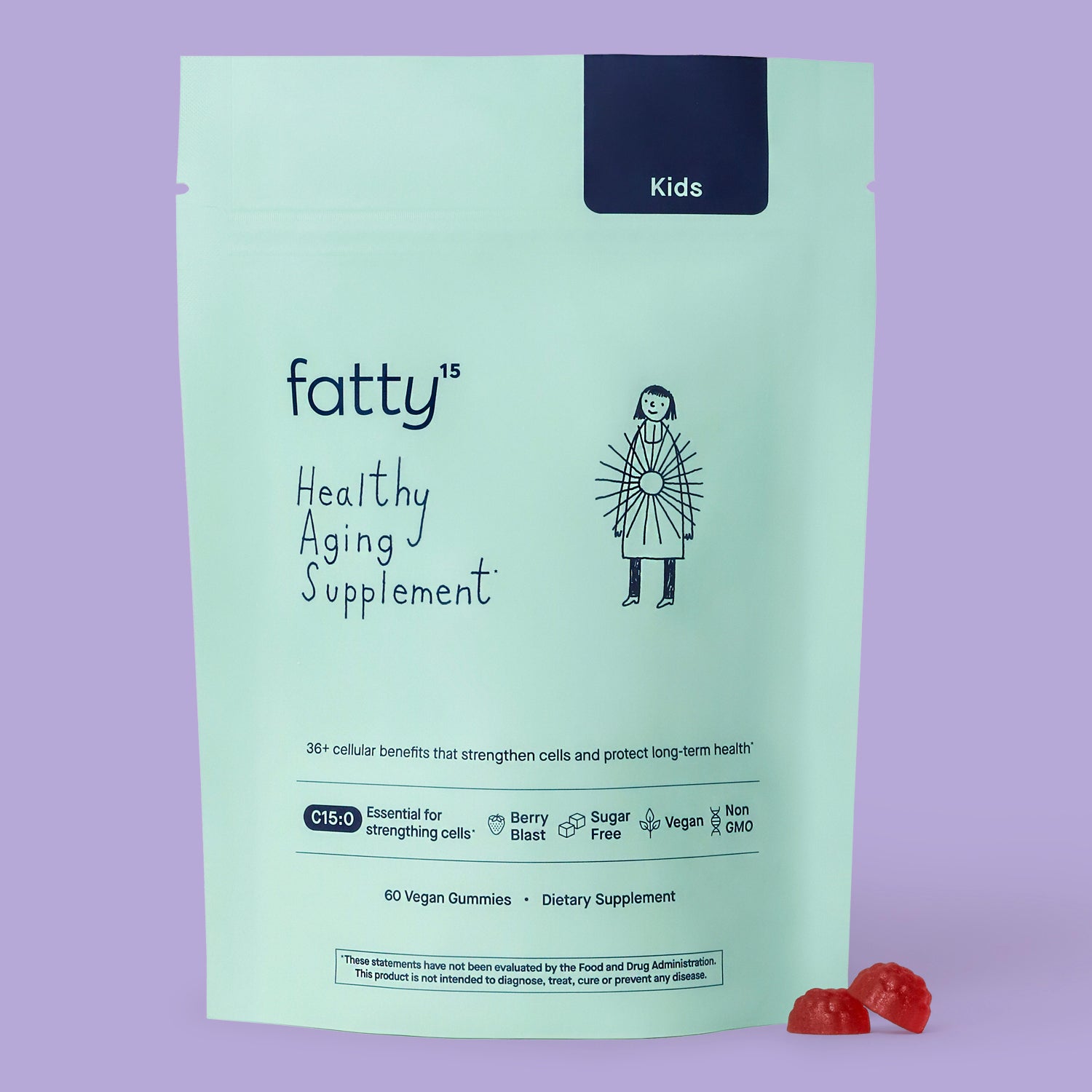
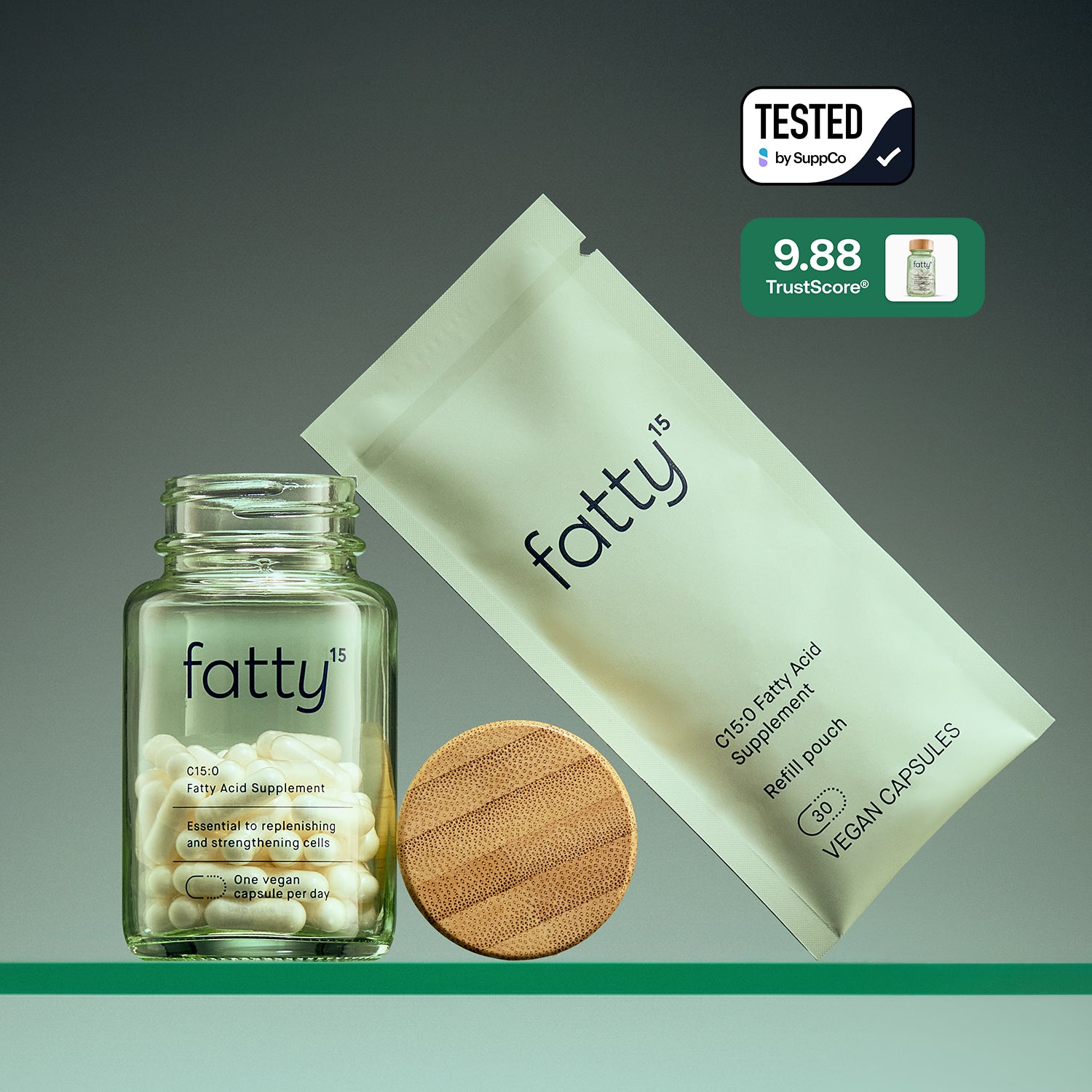
Instead, there’s fatty15 . Fatty15 is the first and only supplement that contains the pure, vegan-friendly, bioavailable, free fatty acid form of C15:0 born of scientific research . Each capsule contains enough C15:0 to increase your circulating levels without any added sugar or other fats. It’s everything you need, and nothing you don’t.
|
*These statements have not been evaluated by the Food and Drug Administration. This product is not intended to diagnose, treat, cure, or prevent any disease. |
Sources:
Dietary Guidelines for Americans, 2025–2030
Americans More Likely to Avoid Drinking Soda Than Before | Gallop.com


