


5 Kid-Friendly Mediterranean Diet Recipes

Dr. Eric Venn-Watson's Highlights
- The Mediterranean diet is one of the easiest healthy eating patterns to adapt for kids because it focuses on familiar, simple foods, like fruits, vegetables, beans, yogurt, eggs, olive oil, whole grains, and fish.
- Kid-friendly Mediterranean meals don’t have to be complicated. The best ones are simple, colorful, easy to eat, and built around foods kids already know.
- For kids ages 4–12, solid nutrition supports growth, cognition, metabolism, and cellular health. Fatty15 gummies can help fill an important nutritional gap.
When people hear “Mediterranean diet,” they sometimes picture grown-up meals with olives, anchovies, complicated grain salads, or ingredients that picky eaters might reject on sight. But that’s not what Mediterranean-style eating has to look like at home.
At its core, the Mediterranean diet is simple. It is built around real food like vegetables, fruit, beans, whole grains, eggs, yogurt, fish, nuts, seeds, and olive oil.
The American Heart Association describes a Mediterranean-style diet as one that emphasizes vegetables, fruits, whole grains, beans and legumes, and includes fish, poultry, nuts, and olive oil. Surprisingly, it’s actually kid-friendly.
The trick is using Mediterranean principles to make meals that are simple, approachable, and familiar. Think soft eggs, yogurt bowls, mini pita pizzas, hummus, pasta, roasted salmon, and colorful veggies served in ways that feel manageable.
In this guide, we are sharing five kid-friendly Mediterranean diet recipes that are easy to make, easy to eat, and rooted in the real-food simplicity that makes Mediterranean eating work so well for families.
What Makes a Recipe “Mediterranean” and Kid-Friendly?
A Mediterranean-style recipe does not need to check every box to count. Usually, it includes a few core ideas:
-
Real, minimally processed ingredients
-
Plant-forward foods like vegetables, fruit, beans, and whole grains
-
Healthy fats, especially olive oil
-
Simple proteins like eggs, yogurt, fish, poultry, or legumes
-
Flavorful meals without relying on heavy processing
A kid-friendly recipe, on the other hand, usually has a few different priorities:
-
Familiar textures
-
Simple flavors
-
Easy-to-hold or easy-to-scoop foods
-
Short ingredient lists
-
Flexibility for picky phases
The overlap is actually pretty natural. Once we stop thinking of Mediterranean food as “fancy” and start thinking of it as real food made simply, it becomes much easier to bring into family meals.
1. Mini Mediterranean Pita Pizzas
This is one of the easiest places to start because it feels familiar right away. Kids already know pizza. Using whole-grain pita, tomato sauce, mozzarella, and a few simple toppings gives us a Mediterranean-inspired version that still feels fun and recognizable.
Ingredients
-
4 whole-grain mini pitas or 2 large whole-grain pitas, cut in half
-
1 cup tomato sauce
-
1 cup shredded mozzarella
-
1 tablespoon olive oil
-
1 teaspoon dried oregano
-
1 small zucchini, finely diced
-
1/2 red bell pepper, finely diced
-
Optional: a few sliced black olives or shredded cooked chicken
Step-by-Step
-
Preheat the oven to 400°F.
-
Place the pitas on a baking sheet.
-
Spread a spoonful of tomato sauce over each pita.
-
Sprinkle with mozzarella, zucchini, bell pepper, and any optional toppings.
-
Drizzle lightly with olive oil and sprinkle with oregano.
-
Bake for 8 to 10 minutes, or until the cheese is melted and bubbly.
-
Cool slightly before serving.
Easy Kid Tip
Let kids “build their own” mini pitas. They are much more likely to try a recipe they helped make.
2. Creamy Greek Yogurt Fruit Bowl
This is a simple breakfast or snack recipe that works beautifully for younger kids and school-age kids. It is soft, colorful, and easy to adjust based on what a child likes.
Ingredients
-
2 cups plain whole-milk Greek yogurt
-
1 banana, sliced
-
1/2 cup blueberries
-
1/2 cup diced strawberries
-
2 tablespoons chopped walnuts or finely ground nuts (optional)
-
1 tablespoon chia seeds, optional
-
1 teaspoon honey for kids over age 1, optional
Step-by-Step
-
Spoon the yogurt into bowls.
-
Top with banana slices, berries, and any optional nuts or seeds.
-
Add a very small drizzle of honey if desired.
-
Sprinkle lightly with cinnamon and serve.
Easy Kid Tip
For more selective eaters, serve the toppings separately and let them build their own bowl.
3. Hummus and Veggie Roll-Ups
This is a great lunch or after-school option. It gives us Mediterranean staples like hummus, vegetables, and olive oil in a format that feels much more fun than “eat your veggies.”
Ingredients
-
4 small whole wheat tortillas or wraps
-
1 cup hummus
-
1/2 cucumber, peeled and cut into matchsticks
-
1 carrot, shredded
-
1/2 red bell pepper, thinly sliced
-
1 cup baby spinach, chopped small
-
1 tablespoon olive oil
-
Optional: a little crumbled feta for older kids who enjoy stronger flavors
Step-by-Step
-
Lay each wrap flat on a plate or cutting board.
-
Spread hummus over the wrap.
-
Add cucumber, carrot, bell pepper, and spinach.
-
Drizzle very lightly with olive oil.
-
Roll tightly and slice into pinwheels or halves.
Easy Kid Tip
If kids don’t love visible greens, chop everything finely so the wrap looks less overwhelming.
4. Lemony Salmon Rice Bowls
This is a great dinner recipe for families who want an easy way to bring fish into the week. The Mediterranean diet is known for including fish and seafood, and a rice bowl format makes it easier for kids to engage with each part separately.
Ingredients
-
2 salmon fillets
-
2 cups cooked brown rice or white rice
-
1 cucumber, diced
-
1 cup cherry tomatoes, halved
-
1 tablespoon olive oil
-
1 teaspoon dried oregano
-
Juice of 1/2 lemon
-
A pinch of salt and pepper
-
Optional: a dollop of plain Greek yogurt on top
Step-by-Step
-
Preheat the oven to 400°F.
-
Place salmon on a baking sheet and drizzle with olive oil and lemon juice.
-
Sprinkle with oregano and a tiny pinch of salt and pepper.
-
Bake for 12 to 15 minutes, until cooked through.
-
Divide rice into bowls.
-
Flake the salmon into pieces and add to the bowls.
-
Top with cucumber and tomatoes.
-
Add a spoonful of yogurt if desired.
Easy Kid Tip
For fish-hesitant kids, keep the salmon very plain and serve the lemon on the side.
5. One-Pan Chickpea Pasta
This is one of the easiest weeknight Mediterranean-style meals because it combines pasta, tomatoes, olive oil, and chickpeas into one warm, comforting bowl.
Ingredients
-
8 ounces small pasta, such as shells or penne
-
1 can chickpeas, drained and rinsed
-
2 cups cherry tomatoes, halved
-
2 tablespoons olive oil
-
2 cloves garlic, minced
-
1 teaspoon dried basil or oregano
-
1/4 cup grated Parmesan
-
2 cups baby spinach, optional
-
water as needed for cooking
Step-by-Step
-
Cook pasta according to package directions and drain.
-
In a large skillet, warm olive oil over medium heat.
-
Add garlic and tomatoes and cook for 3 to 4 minutes until softened.
-
Stir in chickpeas and herbs.
-
Add cooked pasta and a splash of pasta water.
-
Stir in spinach until wilted, if using.
-
Top with Parmesan and serve warm.
Easy Kid Tip
If whole chickpeas are a hard sell, mash part of them lightly into the sauce so they blend in more.
How To Make Mediterranean Eating Easier for Kids
The biggest mistake we can make is assuming kids need to eat the same Mediterranean plate an adult would when they don’t. They need age-appropriate versions of the same principles.
A few easy ways to make Mediterranean meals work better for kids:
-
Keep flavors mild at first
-
Serve ingredients separately when needed
-
Repeat foods often without pressure
-
Use dips and bowls to make meals more interactive
-
Focus on simple textures and small portions
-
Let kids help assemble meals
Mediterranean-style eating focuses on patterns. The more often we can bring in vegetables, fruit, olive oil, legumes, fish, yogurt, eggs, and whole grains in approachable ways, the more natural it becomes.
The Bigger Nutrition Picture
The ultimate goal of introducing the Mediterranean eating style is to help kids build a strong nutritional foundation as they grow, learn, move, and develop.
Childhood is a time of rapid change when kids grow taller, build cognitive skills and emotional resilience, develop muscle mass, establish metabolic patterns, and form long-term health habits. Nutrition during this time needs to support the very foundation of their health: their cells.
The Role of C15:0
C15:0, also known as pentadecanoic acid, is an odd-chain saturated fatty acid with growing scientific support as an essential fatty acid.* C15:0 is the first essential fatty acid to be discovered in over 90 years, since omega-3. It is especially exciting because it supports foundational aspects of cellular health.*
C15:0 supports healthy development from the very beginning, with studies associating it with healthy pregnancy outcomes and stronger cell membranes that protect growing cells from breakdown. Research also suggests C15:0 targets key receptors linked to cognitive health, supports a healthy immune response, and promotes healthy metabolism and glucose response, which are all critical factors during children's formative years.*
Further, a recently published clinical trial showed that combining C15:0 with the Mediterranean diet resulted in lower total fat mass (including lower visceral adipose tissue) and lower LDL cholesterol levels than simply cutting calories and adhering to the Mediterranean diet alone.*
Why C15:0 Matters for Kids’ Health
Childhood is one of the most important times to support long-term health because so much development is happening at once. And we now have growing evidence supporting the role of C15:0 in children’s health.*
Studies support a link between higher C15:0 levels and:
-
Healthy body growth*
-
Healthy cognitive development*
-
Healthy liver health*
-
Healthy blood pressure*
That broad support makes sense because C15:0 is helping support the cells that all those systems rely on.*
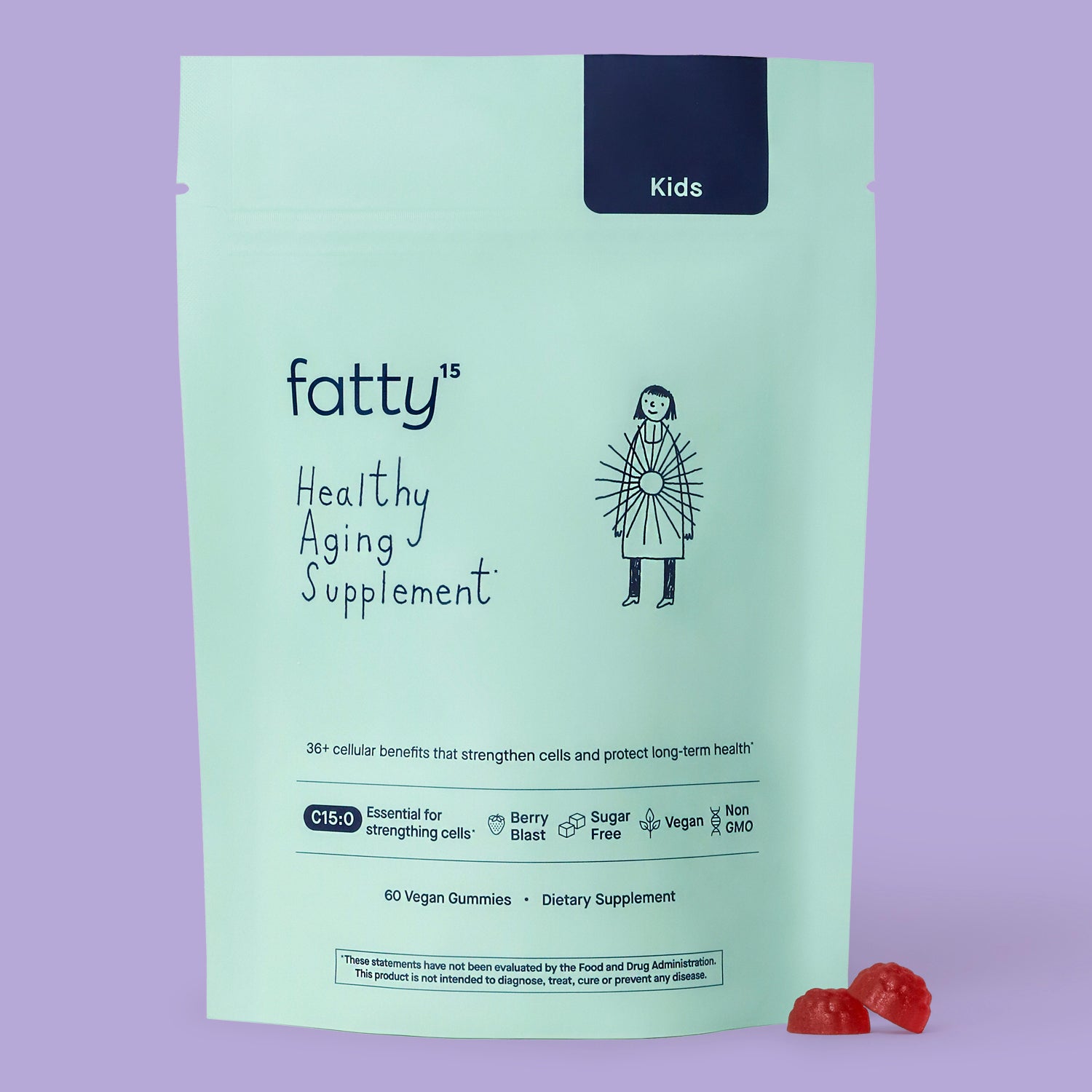
It can be hard for kids to get enough C15:0 in their diets. Whole milk is the primary source of C15:0, and it only contains a trace amount. A solution? Fatty15 gummies for kids ages 4-12. They’re the delicious, easy way to boost your kids’ C15:0 levels.
FAQS
Is the Mediterranean diet safe for children?
Yes. The Mediterranean diet is a very sustainable approach to eating healthy and well and encourages positive changes, like eating more fruits and vegetables. This approach to eating can help children grow and meet their nutritional needs."
What are the 7 brain foods for kids?
Eggs, seafood, leafy green vegetables, lean beef, yogurt, nuts, and seeds.
What is the Mediterranean diet for kids?
The Mediterranean diet is safe and nutritious for children, focusing on whole grains, fruits, vegetables, healthy fats (olive oil), and lean proteins like fish and legumes.
Is the Mediterranean diet okay for diabetes?
Yes, the Mediterranean diet is highly beneficial for people with diabetes, acting as an excellent tool for managing blood sugar, improving insulin sensitivity, and reducing HbA1c levels.
Fun, Not Fancy
Kid-friendly Mediterranean meals don’t need to be complicated. In fact, the best ones usually are not. Mini pita pizzas, yogurt bowls, hummus roll-ups, salmon rice bowls, and chickpea pasta all show how simple Mediterranean-style eating can be when we adapt it for real family life.
And when we think about the bigger picture of children’s health, C15:0 belongs in the conversation. too. It helps support strong cell membranes, mitochondrial health, and healthy development.*
For kids ages 4-2, fatty15 gummies offer a simple way to help support healthy C15:0 levels alongside the healthy meals we are already trying to make. And when nutrition meets consistency, that is where long-term habits really start to grow.
|
*These statements have not been evaluated by the Food and Drug Administration. This product is not intended to diagnose, treat, cure, or prevent any disease. |
Sources:


