


How To Have a Healthy Pregnancy in 2026

Seraphina Therapeutics's Highlights
- Pregnancy health in 2026 is more personalized than ever, with a growing focus on cellular health and nutrient quality.
- Foundational habits like balanced nutrition, movement, sleep, and stress management remain essential for both mom and baby.
- Emerging science around C15:0 (pentadecanoic acid) is reshaping how we think about essential fatty acids during pregnancy and early development.*
- Pregnancy is a time to slow down and pay closer attention. In 2026, we’re looking at what science actually says about what makes a pregnancy “healthy.” In terms of nutrition, it’s important to focus on how the nutrients we consume perform in our bodies and are transferred to the growing baby.
- A healthy pregnancy blends what has always worked from decades past with the emerging science we have today. Think of it as a return to fundamentals, but with a sharper lens.
Start With the Basics and Do Them Well
It’s easy to get caught up in trends, but the truth is most healthy pregnancies still begin with a few simple, consistent habits.
Here’s a quick review of the foundational information we have that supports a healthy pregnancy.
Nutrition Matters
We want to think of nutrition as steady and intentional, not restrictive or perfection-driven.
We can do this by focusing less on eating certain portions and more on eating better. Pregnancy requires meals that are balanced, satisfying, and built from real ingredients.
Protein becomes especially important, not just for the baby’s development but for maintaining maternal strength and energy. Healthy fats play a central role as well, supporting everything from hormone production to early brain development.
Safe Movement
Movement is important during pregnancy, but it needs to be safe for both mom and baby. We’re not training for performance during the pregnancy months. Instead, we are supporting circulation and mobility. Even light, consistent activity makes a noticeable difference in how your body feels throughout your entire pregnancy.
It’s important to clear all forms of movement with your doctor. Traditionally, pregnancy isn’t a good time to begin a new type of fitness routine, like training for a marathon or lifting heavier weights.
Sleep
Sleep is essential during pregnancy, though it can sometimes become more difficult with a growing, changing body. As the body adapts, rest becomes the time when repair and recalibration happen. Even when perfect sleep isn’t possible, creating a consistent wind-down routine and protecting rest where we can becomes part of the process.
Stress
When we talk about stress during pregnancy, we aren’t talking about the momentary stress of an impending deadline or getting stuck in traffic. We’re talking about the chronic kind that lingers.
We know that stress influences hormones, inflammation, and cellular signaling, and supporting emotional well-being is a very important part of prenatal health.
None of these foundational aspects of pregnancy are new, but we have a clearer understanding of why they matter.
What’s Different in 2026: Understanding the Cellular Level
While the focus of pregnancy has always been on how the actions of a mother affect a growing baby, we’re now able to look even closer at the connection.
Looking at the cellular level, we can see that every system that develops during pregnancy begins here. The brain, the immune system, and the cardiovascular system all rely on the strength and function of individual cells. If those cells are stable and well-nourished, everything built on top of them has a stronger foundation.
This is why conversations around prenatal health now include things like mitochondrial function, membrane integrity, and cellular signaling. Not because we expect anyone to become a scientist overnight, but because these processes quietly influence everything.
It’s also why some nutrients are getting more attention, because there are clear links between them and how they affect cellular operations.
Rethinking Fat: It’s Not Just About Omega-3s Anymore
For years, the conversation around fats in pregnancy centered almost entirely on omega-3s, particularly DHA . DHA is essential for brain development in the baby and through toddler years. However, DHA isn’t the only essential fatty acid needed for both mom and baby to thrive.
Cells rely on a variety of fatty acids to maintain their structure and function. These fats aren’t interchangeable.
They each play distinct roles, especially when it comes to how cell membranes hold together, how signals are transmitted, and how energy is produced. New research supports that one particular fatty acid, C15:0 , is essential for maintaining healthy cellular function.*
Supporting Baby’s Development From the Very Beginning
One of the most powerful mindset shifts we’ve embraced is that pregnancy health extends beyond the traditional nine-month period, shaping long-term health for a growing baby.
During this time, the baby’s body is developing at an incredible pace. The brain, immune system, and metabolic pathways are all being formed, and much of that development is influenced by the internal environment we create.
Nutrition plays a direct role here. Of course, calories and basic vitamins are important, but so are the nutrients that support cellular structure and communication.
Healthy fats are especially important in this phase. They contribute to the formation of cell membranes, which are responsible for protecting cells and allowing nutrients and signals to pass through effectively. When those membranes are strong and stable, cells are better equipped to function as they should.
Because of its role in supporting the strength and integrity of our cells, C15:0 may help provide an added layer of support during a time when cells are rapidly forming and organizing.* Additionally, focusing on cellular health can support our overall health and wellness during all life stages.
We think about cellular health as building a foundation. When we approach pregnancy this way, supporting both mom and baby at the cellular level, we’re setting the stage for what comes next.
Introducing C15:0: A Missing Piece in Prenatal Nutrition
C15:0, also known as pentadecanoic acid, is an odd-chain saturated fatty acid that more than 100 peer-reviewed papers support as an essential nutrient. Essential means our bodies need it to thrive, but cannot readily make it on their own.
What makes it different is how it behaves in the body.
C15:0 plays a structural and signaling role inside our cells. It helps support the strength and integrity of cell membranes , supports healthy mitochondrial function , protects against cellular stress like lipid peroxidation, and activates pathways such as AMPK and PPAR that are involved in maintaining metabolic balance at the cellular level.*
In addition to these benefits, C15:0 has also been shown to support healthy cholesterol levels and liver function . It even has a link to supporting gut health .*
During pregnancy, this becomes even more important because we are maintaining our own cells and helping build an entirely new system from scratch. Every organ, every pathway, every layer of development depends on cells that can function properly from the beginning. Supporting those cells is a practical way to think about long-term health starting early.
Why Getting C15:0 From Food Is Difficult
At first glance, it might seem like this is something we could easily get from diet alone. C15:0 is found in full-fat dairy products, so it stands to reason that we could just eat more full-fat dairy to get more C15:0. Unfortunately, it’s not that straightforward.
The actual amount of C15:0 in modern diets tends to be quite low. Even for those who consume dairy regularly, reaching consistent levels isn’t easy. Whole milk and full-fat butter only contain trace amounts of this key nutrient. Over time, overall intake has quietly declined, which may help explain why it’s now gaining more attention.
Consuming more whole dairy isn’t a quick fix for several reasons.
-
C15:0 doesn’t exist in isolation. Instead, it comes alongside a range of even-chain saturated fats that have long been associated with negative health outcomes.
-
It doesn’t give us C15:0 in free fatty acid form. In food, C15:0 is bound within triglycerides, which means it has to be broken down during digestion before the body can use it. That process isn’t necessarily inefficient, but it does add another layer between intake and utilization.
-
And finally, there’s the reality that not everyone consumes dairy. Whether for dietary, ethical, or personal reasons, it’s not a universal solution.
Taken together, it becomes clear that relying on food alone may not be the most consistent or practical way to support optimal levels.
The C15:0 Solution That Supports Cellular Health
As our understanding of essential fatty acids has evolved, so has the way we think about delivering them. Instead of relying solely on traditional food sources, we now have the ability to provide C15:0 in a purified, ready-to-absorb form. This allows for more consistent intake and more direct support at the cellular level.
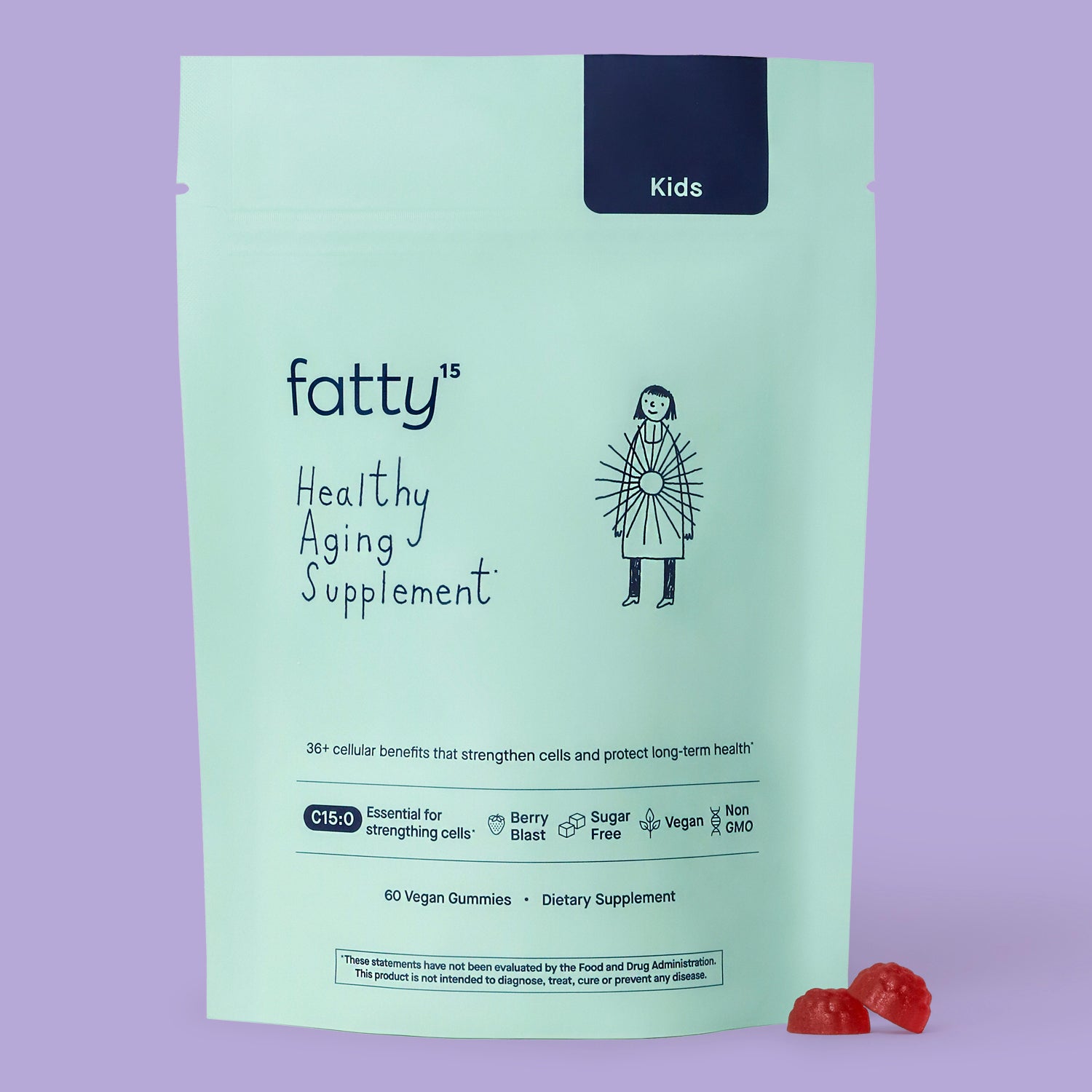
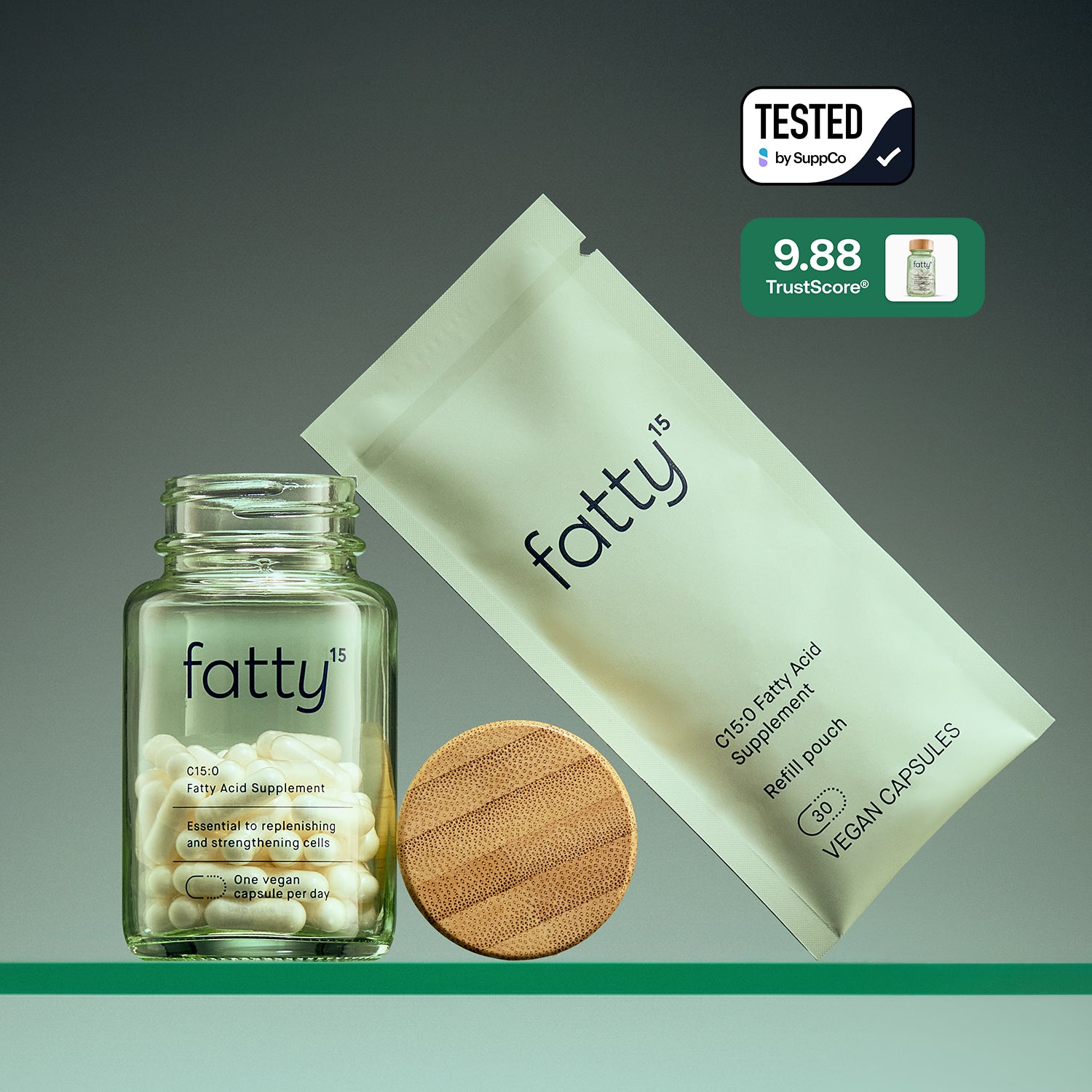
This is exactly why doctors created fatty15 . Fatty15 is the first and only supplement born of scientific research that contains the pure, vegan-friendly, stable form of C15:0 that is ready to be absorbed and used by the body.
During pregnancy, this becomes part of a broader strategy. We can use this information and this supplement as a complementary tool in our healthy pregnancy arsenal. When we support cell membranes, mitochondrial function, and key signaling pathways, we’re supporting the very systems that drive healthy growth and development.*
Happy and Healthy: Nine Months and Beyond
A healthy pregnancy in 2026 still recognizes the foundational principles that have always been advisable for keeping both mom and baby in great shape. Today, we can do even more, building on these principles and supporting health in new ways.
Eating well, moving regularly, resting when we can, and managing stress in a way that feels sustainable are a solid foundation for pregnancy health. Now, we can also recognize that there’s more happening beneath the surface. And when we support that deeper layer (our cells), we open the door to a more complete approach to promoting and maintaining our health.
C15:0 represents one piece of that evolution. It’s a foundational nutrient essential for thriving cells from the very beginning.* That solid start helps us remember that we are preparing a new body for long-term health.
FAQs
What is the 5 3 1 rule in pregnancy?
The 5-1-1 rule is a guideline for pregnant individuals (usually 37+ weeks) to determine when to go to the hospital for labor. It means contractions are 5 minutes apart (start to start), lasting for 1 minute each, for at least 1 hour.
At what age are 90% of a woman's eggs gone?
Women lose approximately 90% of their ovarian reserve by the age of 30, with only about 10-12% remaining.
What month are most kids conceived?
August and July are the most common birth months, which means winter is a good time to make babies. November and December are the most popular months to conceive.
Sources:


