


Grip Strength & Longevity: Is There Really a Connection?

Seraphina Therapeutics's Highlights
- Grip strength is more than hand power, reflecting overall muscle quality, metabolic resilience, nervous system function, and cellular health, making it a strong predictor of longevity.
- Research links higher grip strength with lower risk of mortality, disability, cognitive decline, and age-related disease, independent of age or body size.
- Supporting foundational systems with exercise, nutrition, and supplements like Fatty15™ (C15:0) may help maintain grip strength and support our overall health and wellness.*
- Grip strength is more than hand power, reflecting overall muscle quality, metabolic resilience, nervous system function, and cellular health, making it a strong predictor of longevity.
If you had to pick one simple physical measurement that could say a lot about how long and how well you might live, grip strength probably wouldn’t be your first guess. Most people think of blood pressure, cholesterol, VO₂ max, or even genetics. Yet, study after study has pointed to grip strength as one of the most powerful predictors of aging, disability, and mortality.
So is grip strength really connected to longevity, or is it just another fitness trend getting more credit than it deserves? The short answer: yes, there is a real connection. But the reason why that connection exists is more interesting than most headlines suggest.
Understanding grip strength opens the door to a much broader conversation about muscle health, metabolic resilience, nervous system function, and cellular aging. And once you understand that bigger picture, grip strength becomes less about how hard you can squeeze and more about how well your body is aging overall.
What Is Grip Strength, Really?
Grip strength is the amount of force your hand and forearm muscles can generate when you squeeze something. It’s typically measured using a handheld device called a dynamometer, which provides a simple numerical value.
On the surface, grip strength seems like a very localized metric. After all, it’s just the hands and forearms. But physiologically, grip strength reflects something much larger.
It requires coordinated input from muscles, tendons, bones, nerves, and the brain. It also depends on energy availability, blood flow, mitochondrial function, and the integrity of cell membranes within muscle tissue.
Because so many systems are involved, grip strength acts as a kind of shorthand assessment for overall physical robustness. When grip strength declines, it’s often not because the hands are the problem; it’s because multiple underlying systems are losing efficiency.
The Research Linking Grip Strength to Longevity
Grip strength first caught the attention of longevity researchers when large population studies began showing a consistent pattern: people with stronger grip strength tended to live longer and experience fewer age-related diseases.
One of the most influential studies came from the Prospective Urban Rural Epidemiology (PURE) study, which followed more than 140,000 adults across 17 countries. Researchers found that lower grip strength was strongly associated with higher all-cause mortality, cardiovascular mortality, and non-cardiovascular mortality. In fact, grip strength predicted mortality risk more reliably than blood pressure in some populations.
Other large-scale studies have found similar associations. Lower grip strength has been linked to a higher risk of falls, fractures, hospitalization, disability, cognitive decline, and loss of independence.
Importantly, these associations persist even after adjusting for age, sex, body weight, and physical activity levels. Grip strength appears to be an early warning signal for accelerated biological aging.
Why Muscle Strength Matters More as We Age
To understand why grip strength is such a powerful predictor, you have to look at what happens to muscle tissue as we get older.
Beginning as early as our 30s, most people start to lose muscle mass and strength in a process known as sarcopenia. This decline accelerates with age, especially in people who are sedentary, undernourished, or dealing with chronic inflammation or metabolic dysfunction.
Muscle is a metabolically active tissue that plays a major role in glucose regulation, insulin sensitivity, inflammation control, and hormone signaling. Healthy muscle tissue also helps protect bones, stabilize joints, and support balance and coordination.
Grip strength often declines before more obvious signs of muscle loss appear. That makes it a useful early indicator of systemic muscle health and metabolic resilience.
Grip Strength and Metabolic Health
One of the strongest links between grip strength and longevity lies in metabolism.
People with stronger grip strength tend to have better insulin sensitivity, lower risk of type 2 diabetes, and healthier lipid profiles. This relationship makes sense when you consider that skeletal muscle is one of the primary sites for glucose uptake in the body. When muscle tissue becomes insulin-resistant or energetically inefficient, metabolic health declines.
Grip strength reflects muscle quality, or the ability of muscle cells to generate force efficiently. That efficiency depends on mitochondrial health, fatty acid metabolism, and intact cell membranes.
As these systems degrade, strength declines even if muscle mass hasn’t changed dramatically. This is one reason why grip strength can predict health outcomes independently of body weight or BMI.
The Nervous System Connection
Grip strength also relies heavily on the nervous system. Muscle contraction begins with signals from the brain, travels through motor neurons, and ends at the muscle fiber. Age-related declines in nerve conduction speed, motor unit recruitment, and neuromuscular coordination all reduce strength.
Research has shown that declining grip strength is associated with cognitive decline and increased risk of dementia. While grip strength doesn’t cause cognitive changes, both are influenced by shared underlying factors such as inflammation and cellular aging. In this way, grip strength serves as a window into brain-muscle communication and overall neurological resilience.
Is Grip Strength a Cause or a Marker?
An important question in longevity research is whether grip strength actively influences lifespan or whether it’s simply a marker of something else going wrong.
The answer appears to be that grip strength is primarily a marker, and a very useful one. Strong grip strength doesn’t magically extend lifespan on its own. Instead, it reflects the presence of healthier muscles, better metabolic function, lower inflammation, and more resilient cells.
That distinction matters because it changes how we should respond. The goal isn’t to obsess over grip strength numbers. The goal is to support the underlying systems that allow grip strength to remain high as we age.
How Grip Strength Declines With Age
Grip strength typically peaks in early adulthood and begins to decline gradually thereafter. For many people, the decline becomes more noticeable after age 50, accelerating in the presence of chronic disease, inactivity, or nutritional deficiencies.
Women generally have lower absolute grip strength than men, but the relationship between grip strength and longevity holds across sexes. What matters most is how quickly strength is declining relative to your own baseline. Rapid loss of grip strength over time is often more concerning than a single low measurement.
Can You Improve Grip Strength at Any Age?
The encouraging news is that grip strength is modifiable. Resistance training, particularly exercises that involve holding, pulling, and carrying weight, can significantly improve grip strength even in older adults.
Improving grip strength through training often leads to broader improvements in muscle mass, bone density, balance, and metabolic health. This reinforces the idea that grip strength is connected to whole-body resilience rather than isolated hand strength. That said, exercise alone doesn’t address all of the biological factors involved in muscle aging.
The Role of Nutrition in Muscle and Strength Aging
Muscle health depends heavily on adequate nutrition, including sufficient protein, micronutrients, and healthy fats. Without the right building blocks, muscle tissue becomes more susceptible to breakdown, inflammation, and mitochondrial dysfunction.
Emerging research suggests that certain fatty acids play a critical role in maintaining muscle cell membrane integrity and metabolic flexibility.* When cell membranes lose stability, muscle fibers become less efficient at generating force, even if muscle mass remains relatively intact. This is where longevity nutrition begins to intersect meaningfully with grip strength.
Cellular Aging, Membranes, and Muscle Function
Every muscle contraction depends on the ability of muscle cells to transmit electrical signals and produce energy efficiently. These processes all occur at or across cell membranes. As we age, changes in membrane composition can impair signaling, increase oxidative stress, and reduce metabolic efficiency. These changes affect nearly every tissue in the body.
Supporting membrane health may therefore be a foundational strategy for preserving strength and overall resilience with age.
Fatty15 and the Grip Strength Connection
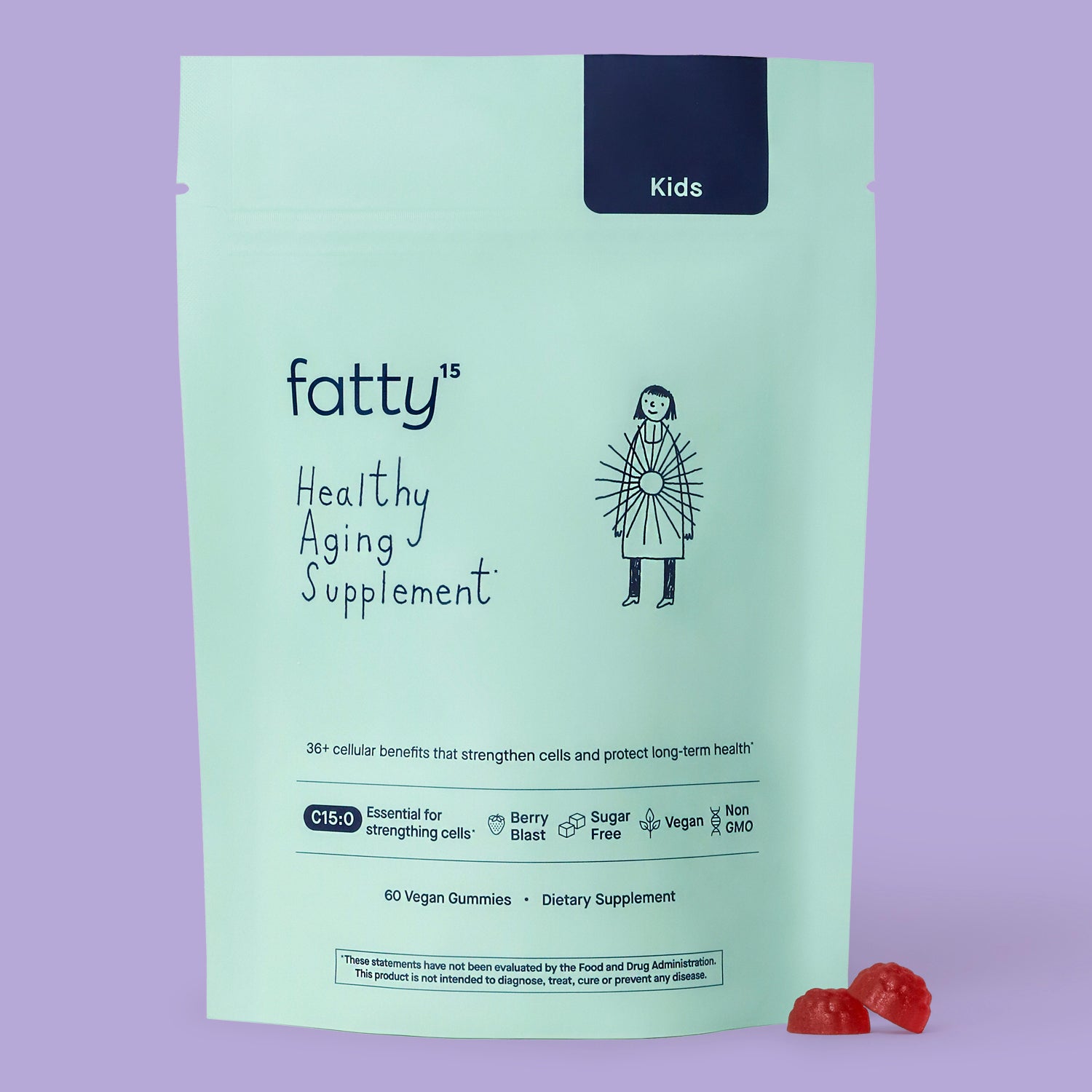
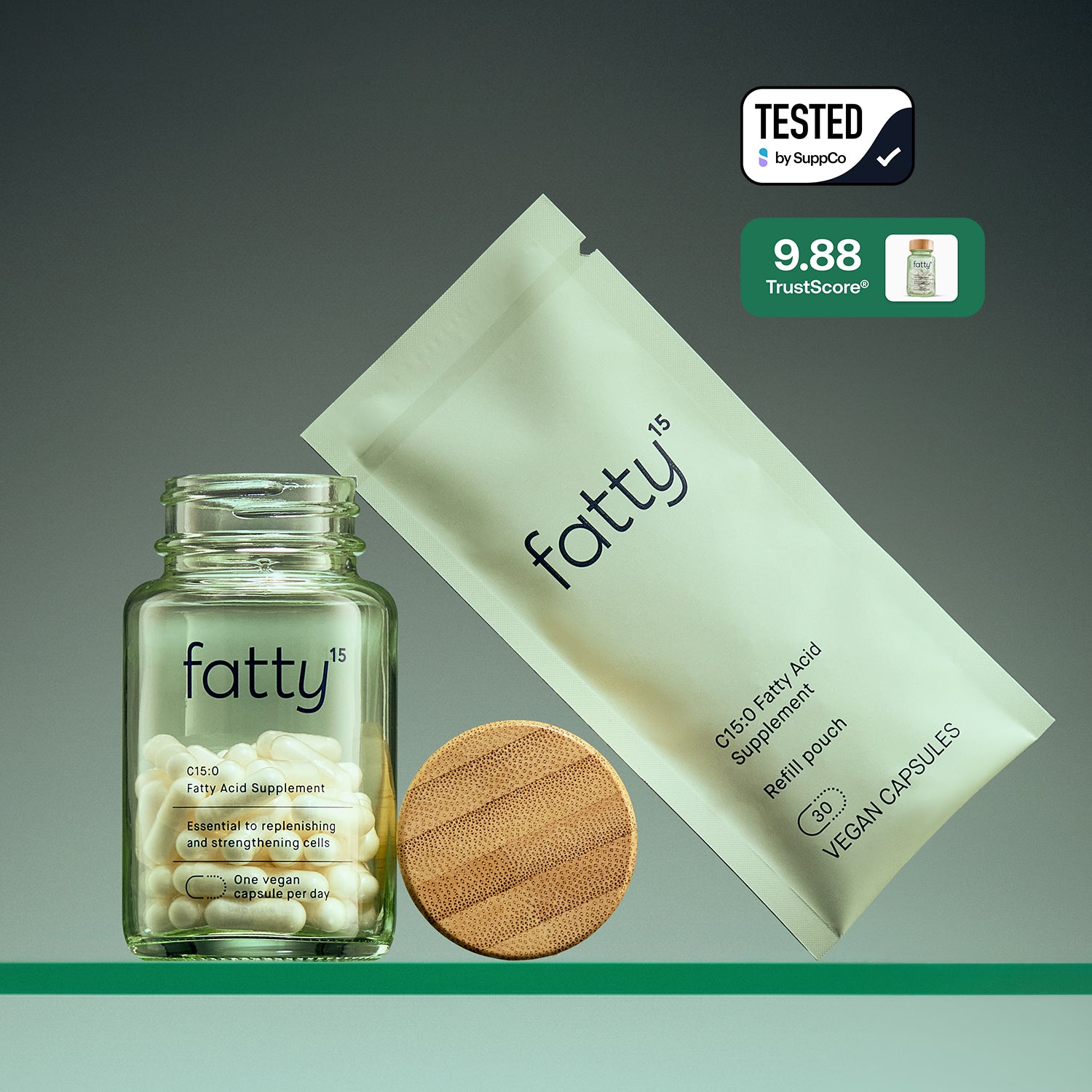
Fatty15 is a pure, vegan-friendly form of pentadecanoic acid (C15:0), an essential fatty acid that has been increasingly recognized for its role in cellular health and longevity-related pathways.
Unlike many supplements that target a single pathway, C15:0 has been shown to support multiple systems involved in aging, including activating AMPK,inhibiting mTOR, reversing six hallmarks of aging, and lowering over 18 proinflammatory cytokines that drive inflammaging (chronic, low-level inflammation). C15:0 has also been shown to strengthen our cells, improve mitochondrial function, and support our long-term health.*
Because muscle performance depends on all of these systems, supporting them at a foundational level can help preserve strength, including grip strength, as part of healthy aging. Importantly, fatty15 isn’t positioned as a replacement for exercise or good nutrition. It complements these efforts by supporting the cellular environment that allows muscles to function efficiently over time.*
Grip Strength as a Longevity Signal, Not a Goal
One of the biggest mistakes people make when they learn about grip strength and longevity is turning it into a narrow goal. Squeezing a gripper device harder won’t compensate for poor metabolic health, chronic inflammation, or cellular dysfunction.
Instead, grip strength should be viewed as feedback. It’s a signal that reflects how well your body is aging beneath the surface. When grip strength is maintained, it usually means multiple systems are working together effectively.
Longevity strategies that focus on resilience are far more likely to preserve grip strength than strategies that chase strength alone.
FAQs
Does grip strength have anything to do with longevity?
Yes, grip strength is strongly linked to longevity, serving as a key biomarker for overall health, muscle mass, and functional ability, with a weaker grip indicating higher risks of frailty, disease, and early mortality.
What is the strongest predictor of longevity?
There isn't one single "biggest" predictor, but strong contenders include strong social connections, daily physical activity/fitness (especially VO2 max), and healthy lifestyle habits (no smoking/excess alcohol, good diet), with genetics, self-rated health, and socioeconomic factors also playing significant roles in predicting a long, healthy life.
Is grip strength correlated to health?
Grip strength is a powerful, simple indicator (biomarker) of overall health, reflecting muscle mass, function, and metabolic health.
The Bigger Picture of Aging Well
Yes, there is a real and well-supported connection between grip strength and longevity. Grip strength is like a mirror reflecting how well your muscles, nervous system, metabolism, and cells are functioning. Focusing on the systems that support strength, rather than chasing a number on a dynamometer, gives the best chance to age well.
Nutritional strategies, exercise, and targeted supplementation can all help maintain these systems, and research shows that fatty15 (C15:0) supports key pathways involved in cellular resilience, inflammatory response, and metabolic health, which are all foundational factors that help preserve muscle function and grip strength over time.*
By combining these approaches, you can not only maintain strength but also enhance overall healthspan and longevity.
|
*These statements have not been evaluated by the Food and Drug Administration. This product is not intended to diagnose, treat, cure, or prevent any disease. |
Sources:
Lean mass, grip strength, and hospital-associated disability among older adults in Health ABC | PMC
Pentadecanoic acid promotes basal and insulin-stimulated glucose uptake in C2C12 myotubes | PMC


