


What Supplements Help With Aging Brain Memory?

Seraphina Therapeutics's Highlights
- Brain health and memory are closely connected to cellular health, inflammation balance, and mitochondrial function.
- Emerging research shows C15:0 may support cognitive health by helping protect brain cells and healthy neural signaling pathways.*
- Longevity-focused nutrients that support healthy aging at the cellular level may also help support long-term cognitive wellness.*
Cognitive health and memory deeply influence quality of life, independence, emotional well-being, and healthy aging overall. And while aging itself is natural, researchers are learning that the health of our brains may be influenced by the health of our cells long before symptoms appear.
The most promising supplements are designed to support the long-term systems that help the brain stay resilient over time, including cellular strength, mitochondrial function, healthy inflammatory responses, and communication between neurons.
Let’s take a look at which supplements target those processes, according to science.
Why Brain Health Changes With Age
The brain is one of the most energy-demanding organs in the body. It relies on billions of neurons constantly communicating with one another through electrical and chemical signals. That process requires enormous amounts of cellular energy and healthy structural support.
Over time, however, several age-related changes can affect how efficiently the brain functions:
-
Mitochondrial function may decline
-
Oxidative stress can increase
-
Cellular membranes may become weaker
-
Inflammatory signaling may become dysregulated
-
Communication between brain cells can become less efficient
Researchers now believe many of these changes begin at the cellular level long before significant cognitive decline appears. That’s why modern cognitive health research increasingly focuses on protecting the health and resilience of brain cells themselves.
What To Look For in a Brain Health Supplement
Not all memory supplements work the same way. Some are designed for short-term focus or alertness, while others aim to support long-term cognitive resilience and healthy brain aging.
The most promising ingredients tend to support one or more of the following:
-
Cellular health
-
Mitochondrial function
-
Healthy inflammatory responses
-
Oxidative balance
-
Neurotransmitter activity
-
Blood flow and nutrient delivery
-
Communication between neurons
Longevity experts are finding that nutrients supporting whole-body cellular health may also play a major role in supporting the brain.
1. Pentadecanoic Acid (C15:0)
One of the most exciting discoveries in longevity science involves C15:0, also known as pentadecanoic acid. C15:0 is an odd-chain saturated fatty acid that was recently validated as an essential fatty acid, the first essential fatty acid discovered in more than 90 years .
Researchers initially became interested in C15:0 after observing that lower levels were associated with poorer metabolic, liver, and cellular health. But more recently, scientists have started exploring its potential role in cognitive health and healthy brain aging.*
2. Curcumin
Curcumin, the active compound in turmeric, is widely studied for its ability to support healthy inflammatory responses and oxidative balance. Because chronic inflammation and oxidative stress are associated with cognitive aging, curcumin has become a popular ingredient in many brain-support supplements.
Some studies suggest curcumin may support memory, mood, and cognitive performance, particularly when formulated for better absorption.
3. B Vitamins
B vitamins, like B6, B12, and folate, are essential for nervous system function and healthy methylation pathways. Low levels of these nutrients have been associated with cognitive issues and neurological dysfunction. Many people choose to supplement with vitamin B12 to maintain healthy levels, as deficiencies can be more common with age or plant-based diets.
4. Magnesium
Magnesium plays an important role in nerve signaling, synaptic function, sleep quality, and stress regulation. Certain forms, such as magnesium L-threonate, have gained popularity because they may better cross into the brain. Healthy magnesium levels are associated with cognitive function, learning, relaxation, and overall nervous system support.
5. Omega-3 Fatty Acids
You’ve probably heard that omega-3 fatty acids are recognized nutrients associated with brain health. DHA, in particular, is highly concentrated in the brain and supports neuronal membrane structure and signaling. It’s why expectant mothers usually take a prenatal vitamin that contains DHA.
However, scientists are also recognizing that omega-3s may not be the only factor when it comes to long-term cellular resilience and healthy brain aging. Interestingly, only one omega-3 (ALA) is essential. EPA and DHA are not generally recognized as essential fatty acids.
Omega-3 also has an Achilles' heel. Excessive consumption of omega-3 could lead to low blood pressure, thinning of blood, excessive bleeding if an injury were to occur, or increased risk of bruising. This has led researchers to investigate additional fatty acids involved in cellular stability and neurological function.
How C15:0 Supports Brain Health
The brain depends heavily on strong, healthy cells. Every neuron relies on stable cellular membranes, healthy mitochondria, efficient signaling pathways, and balanced inflammatory responses to function properly.
Research suggests C15:0 may support many of these foundational systems simultaneously.*
Supporting Cellular Health
Cell membranes are essential for communication between neurons. When membranes become fragile, cells are more vulnerable to oxidative stress and dysfunction over time. Studies have shown that pure C15:0 maintains cellular membrane strength in cellular studies.*
Researchers also believe low levels of C15:0 may contribute to a condition called Cellular Fragility Syndrome , which is associated with fragile cells and accelerated aging-related breakdown.* Supporting cellular resilience may be especially important in the brain, where billions of delicate neurons rely on stable communication.
Supporting Mitochondrial Function
The brain consumes tremendous amounts of energy. That’s why mitochondrial health plays such a critical role in memory, cognitive clarity, and long-term neurological wellness.
Research shows that C15:0 helped support mitochondrial function in cellular studies while also increasing ATP production within cells.* ATP is the primary energy source cells use to function. Supporting healthy mitochondrial activity may help brain cells maintain efficient communication and resilience as we age.
Supporting Healthy Neural Pathways
One particularly interesting area of recent research involves two important enzymes associated with mood, inflammation, and cognitive function:
-
FAAH (Fatty Acid Amide Hydrolase)
-
MAO-B (Monoamine Oxidase B)
A 2025 study involving aging Navy dolphins found that C15:0 demonstrated dose-dependent inhibition of both FAAH and MAO-B.* Why dolphins? Interestingly, bottlenose dolphins naturally develop brain changes as they age, including amyloid-beta plaques and neuroinflammation similar to humans.
Researchers studying aging dolphins found that C15:0 may help support pathways associated with:
-
Healthy mood regulation
-
Dopamine balance
-
Sleep quality
-
Communication between brain cells
-
Healthy inflammatory responses
These findings continue to position C15:0 as a promising nutrient for long-term cognitive wellness and healthy brain aging.*
Supporting Brain Health Long Term
Healthy brain aging isn’t about chasing perfection or trying to stop time. It’s about supporting the systems that help our brains stay resilient, energized, and connected as we move through life.
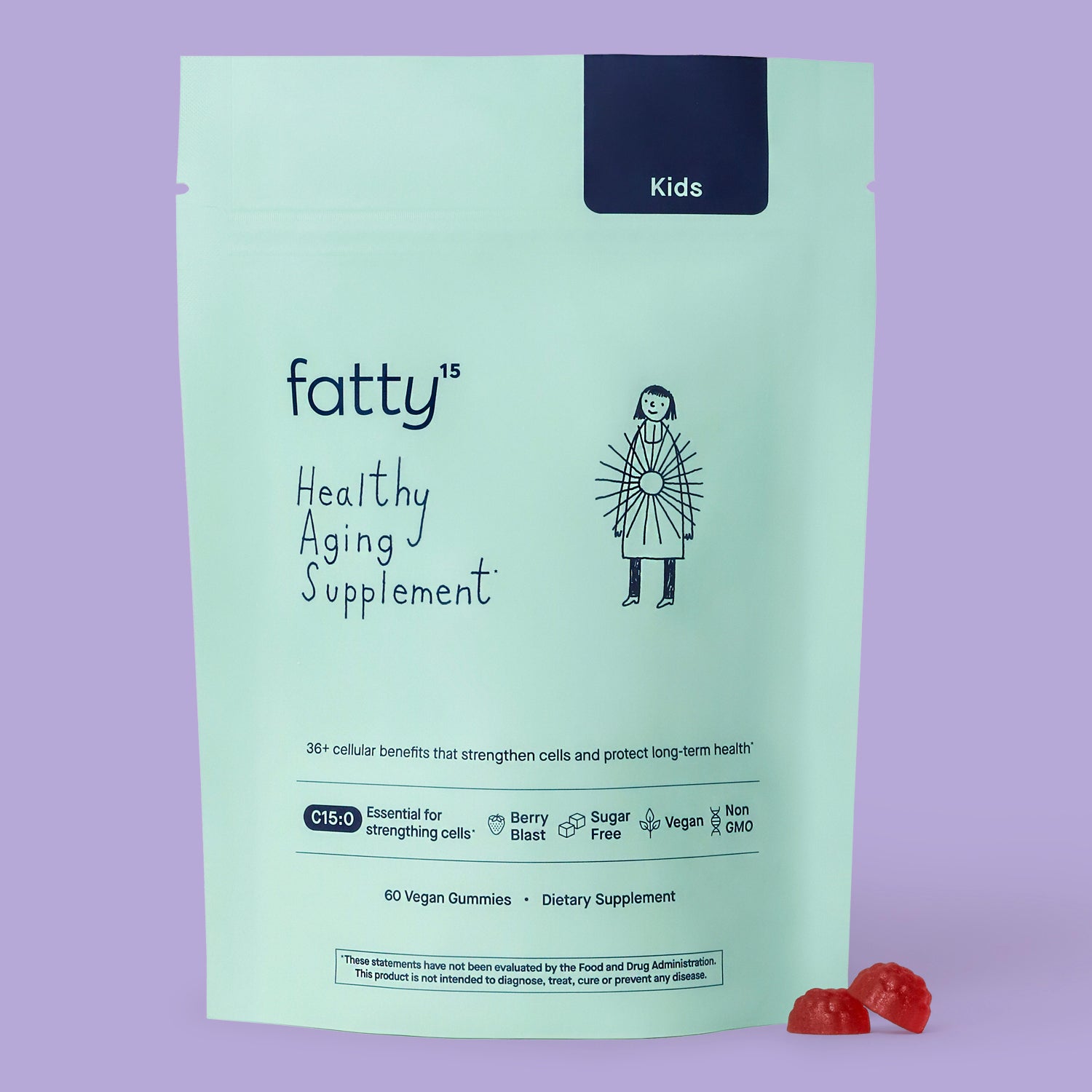
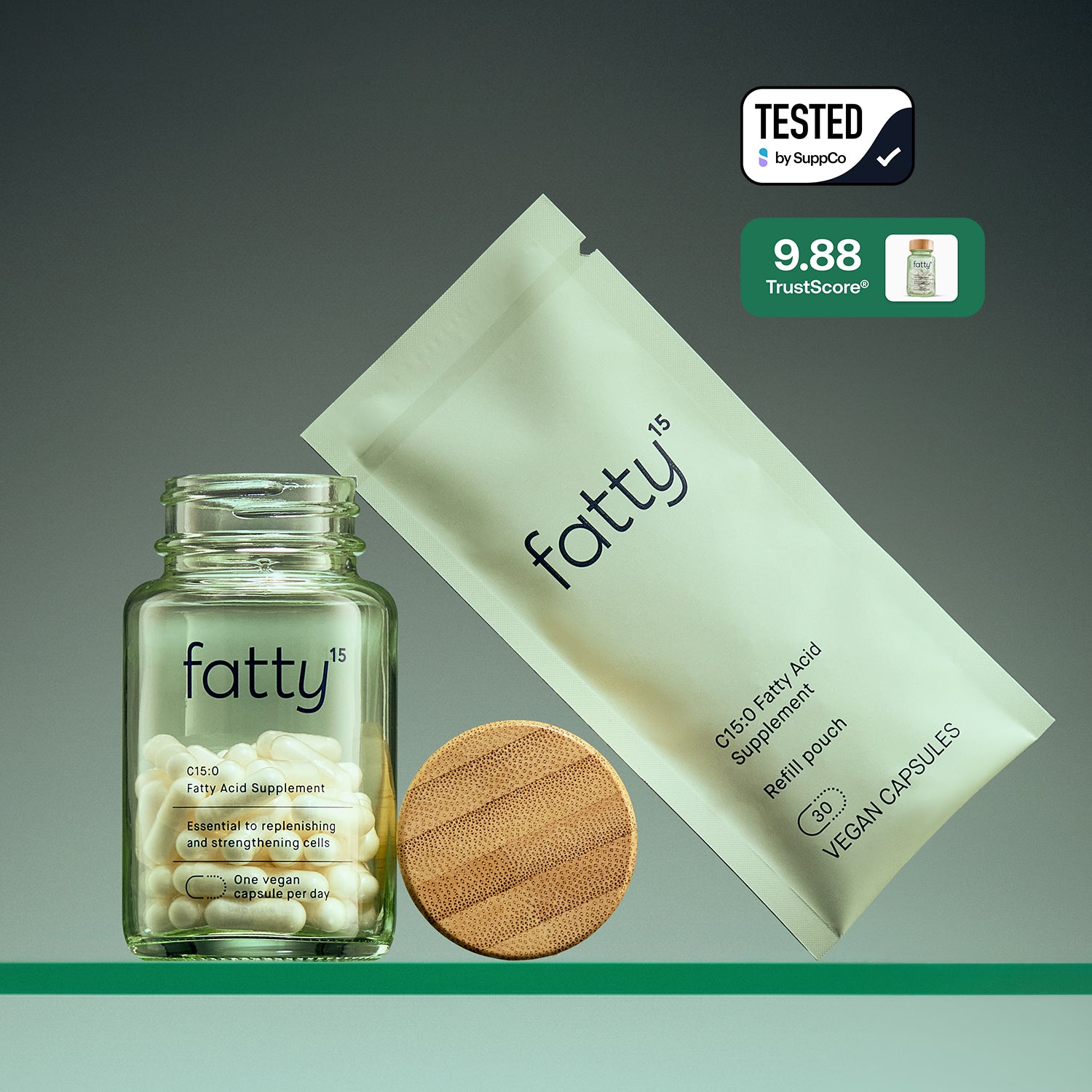
While no supplement is a magic solution, growing research suggests that nutrients supporting cellular health, mitochondrial function, and healthy inflammatory balance may play an important role in long-term cognitive wellness. C15:0 is emerging as one of the most exciting nutrients in that conversation, and a pure, vegan C15:0 supplement like Fatty15's may be the solution.*
|
*These statements have not been evaluated by the Food and Drug Administration. This product is not intended to diagnose, treat, cure, or prevent any disease. |
FAQs
What is the best supplement for memory loss?
Omega-3 fatty acids are among the most studied nutrients for memory support in older adults. DHA is highly concentrated in the brain and plays a structural role in neuronal membranes. That said, benefits vary by individual, and evidence is stronger for some populations than others.
Can nootropics help with brain fog in aging?
Some nootropics, like Lion's Mane mushroom and Bacopa monnieri, have shown mild improvements in memory and mental clarity in older adults. Results vary, and most studies are small with short durations, so they're worth knowing about, but not a guarantee.
Which vitamins help prevent memory decline?
B vitamins (B6, B12, and folate) and vitamin D are important for overall brain health and may help slow cognitive decline, particularly when someone has a deficiency. They don't cure or definitively prevent Alzheimer's, but maintaining healthy levels is a reasonable baseline.
Does Ginkgo Biloba improve memory in older adults?
Despite its long popularity, large high-quality trials have not found ginkgo biloba to reliably prevent or treat memory loss in older adults. It remains widely used, but the clinical evidence hasn't held up at scale.
What supplements support short-term memory in seniors?
Phosphatidylserine, curcumin, and creatine have each shown some potential for supporting short-term memory in older adults. Effects tend to be modest, and results are often more pronounced in people who already have some degree of memory impairment rather than those with typical age-related forgetfulness.
Sources:


