


What Supplements Are Good for Heart Health?

Seraphina Therapeutics's Highlights
- Diet, exercise, and metabolic health remain the foundation of cardiovascular wellness.
- Some supplements, including soluble fiber, plant sterols, CoQ10, and C15:0, may provide targeted heart health support.
- Choosing science-backed, third-party tested supplements is essential for safety and effectiveness.
- Your cardiovascular system relies on healthy blood vessels, balanced inflammation, metabolic function, cellular energy, and strong communication between cells throughout the body. Many people are curious about supplements for heart health and whether they can meaningfully support cardiovascular function.
- The promising news is that a handful of evidence-based supplements may offer targeted support when paired with healthy lifestyle habits. When we understand which supplements research truly supports, we can make more informed choices for long-term cardiovascular wellness.
- In this guide, we’ll break down some of the most researched supplements for heart health, including soluble fiber, plant sterols, Coenzyme Q10, B vitamins, and C15:0, while exploring how cellular health connects to heart function and healthy aging.
The Foundation: Diet and Lifestyle for Heart Health
Before talking about supplements, it’s important to recognize that diet and lifestyle remain the true foundation of cardiovascular health. Leading health organizations consistently recommend the Mediterranean diet, DASH (Dietary Approaches to Stop Hypertension), and whole-food plant-forward eating patterns as primary strategies for supporting heart health.
The Mediterranean diet emphasizes the following:
-
Fruits and vegetables
-
Whole grains
-
Healthy fats like olive oil
-
Legumes and nuts
-
Lean proteins such as fish
The DASH diet focuses on:
-
Vegetables and fruits
-
Low-fat dairy
-
Whole grains
-
Reduced sodium intake
-
Balanced mineral intake, including potassium and magnesium
These eating patterns help support healthy cholesterol levels, blood pressure, blood sugar balance, and metabolic function.
Physical activity also plays a major role in heart health. Experts generally recommend at least 150 minutes of moderate exercise weekly to support cardiovascular wellness. Regular movement improves circulation, metabolic health, insulin sensitivity, and vascular function.
Supplements can complement these strategies, but they should never replace them.
Evidence-Based Supplements With Cardiovascular Benefits
One of the biggest misconceptions in the supplement industry is that “heart health” products automatically improve cardiovascular health. In reality, only a small number of supplements have demonstrated meaningful benefits in specific situations. Even then, most supplements work best as tools, not stand-alone solutions.
For example:
-
Some supplements may help support healthy cholesterol levels
-
Others may support cellular energy production
-
Certain nutrients may benefit people with deficiencies or specific health conditions
Individualized guidance with supplement use is important. The most effective supplement strategy often depends on a person’s diet, medical history, medications, and metabolic health.
1. Soluble Fiber and Plant Sterols for Cholesterol Control
Among the most consistently supported nutritional tools for heart health are soluble fiber and plant sterols.
What Is Soluble Fiber?
Soluble fiber is a type of fiber that dissolves in water to form a gel-like substance in the digestive tract. This process helps lower LDL (“bad”) cholesterol while also supporting gut microbiome health and healthy blood sugar balance.
Foods naturally rich in soluble fiber include:
-
Oats
-
Beans and lentils
-
Apples
-
Citrus fruits
-
Barley
-
Psyllium husk
Research consistently shows that diets high in soluble fiber help support healthier cholesterol levels and blood pressure.
What Are Plant Sterols
Plant sterols are naturally occurring compounds found in plants that are structurally similar to cholesterol. They help block cholesterol absorption in the digestive tract, leading to modest reductions in LDL cholesterol when consumed regularly.
Plant sterols are commonly added to the following:
-
Functional foods
-
Margarines
-
Yogurts
-
Heart health supplements
For many people, food-based sources remain preferable to supplements because whole foods provide additional nutrients, fiber, and phytonutrients that work together to support cardiovascular wellness.
|
Approach |
Benefits |
Typical Intake |
Safety |
|
Whole foods |
Supports cholesterol, blood pressure, and gut health |
Daily dietary intake |
Excellent |
|
Fiber supplements |
May lower LDL cholesterol |
Often 5–10g daily |
Generally well tolerated |
|
Plant sterol supplements |
Modest LDL reduction |
~2g daily |
Generally safe for most adults |
Product quality is important, especially with supplements. Third-party testing and transparent sourcing can help improve reliability and consistency.
Coenzyme Q10 for Heart Function and Statin Support
Coenzyme Q10 (CoQ10) is one of the most widely discussed supplements in cardiovascular wellness.
What Is CoQ10?
CoQ10 is a vitamin-like compound naturally produced in the body that helps generate cellular energy, particularly inside mitochondria. Because the heart is highly energy-dependent, researchers have explored CoQ10’s role in supporting heart muscle function.
Some studies suggest CoQ10 supplementation may:
-
Improve symptoms in certain people with heart failure
-
Help reduce statin-associated muscle symptoms
-
Support mitochondrial energy production
However, results are mixed, and benefits are not universal. CoQ10 is often most useful in targeted situations rather than as a routine supplement for everyone.
People taking statin medications sometimes use CoQ10 because statins may lower natural CoQ10 levels in the body. Typical dosages vary widely, often ranging from 100 to 300 mg daily depending on individual needs and clinician recommendations.
As with all supplements, it’s important to discuss CoQ10 with a healthcare provider before starting, especially for individuals managing cardiovascular conditions or multiple medications.
B Vitamins and Folic Acid: Targeted Roles in Heart Health
B vitamins and folic acid have also received attention for heart health, particularly for their role in regulating homocysteine.
What Is Folic Acid?
Folic acid is a synthetic form of vitamin B9 involved in DNA synthesis and cellular growth. It also helps regulate homocysteine, an amino acid associated with cardiovascular risk when levels become elevated.
Some studies suggest folic acid supplementation , particularly alongside antihypertensive therapy, may help lower stroke risk in certain populations. However, large prevention trials have produced inconsistent results overall.
Similarly, vitamins B6 and B12 may help people with deficiencies or elevated homocysteine levels, but broad supplementation is not universally recommended for cardiovascular disease prevention.
Most healthy adults can obtain adequate B vitamins through a balanced diet containing:
-
Leafy greens
-
Legumes
-
Eggs
-
Fish
-
Whole grains
-
Dairy products
This study reinforces the importance that supplementation should be driven by individual needs and evidence, not marketing claims alone.
C15:0 and Heart Health
Cardiovascular wellness starts at the cellular level . Healthy blood vessels, balanced inflammation, efficient metabolism, and strong heart function all depend on resilient, properly functioning cells.
A new essential fatty acid has been recently discovered that targets cardiometabolic health and overall wellness at the cellular level.
C15:0 (pentadecanoic acid), an essential odd-chain fatty acid discovered through research on healthy aging Navy dolphins. Researchers found that higher C15:0 levels were associated with better metabolic and long-term health outcomes.
Today, growing research suggests C15:0 helps:
-
Support mitochondrial function
-
Maintain healthy inflammatory responses
-
Activate AMPK pathways tied to cellular homeostasis
-
Support metabolic and cardiovascular health markers
Studies have also linked higher circulating C15:0 levels with long-term heart health and longevity markers. You can find C15:0 in full-fat dairy products, like whole milk and full-fat butter. Unfortunately, you’ll also find an excessive amount of “bad” even-chain saturated fats and a wallop of calories. For these reasons, fatty15’s C15:0 supplement is a good solution to get the good C15:0 fat, without the bad.
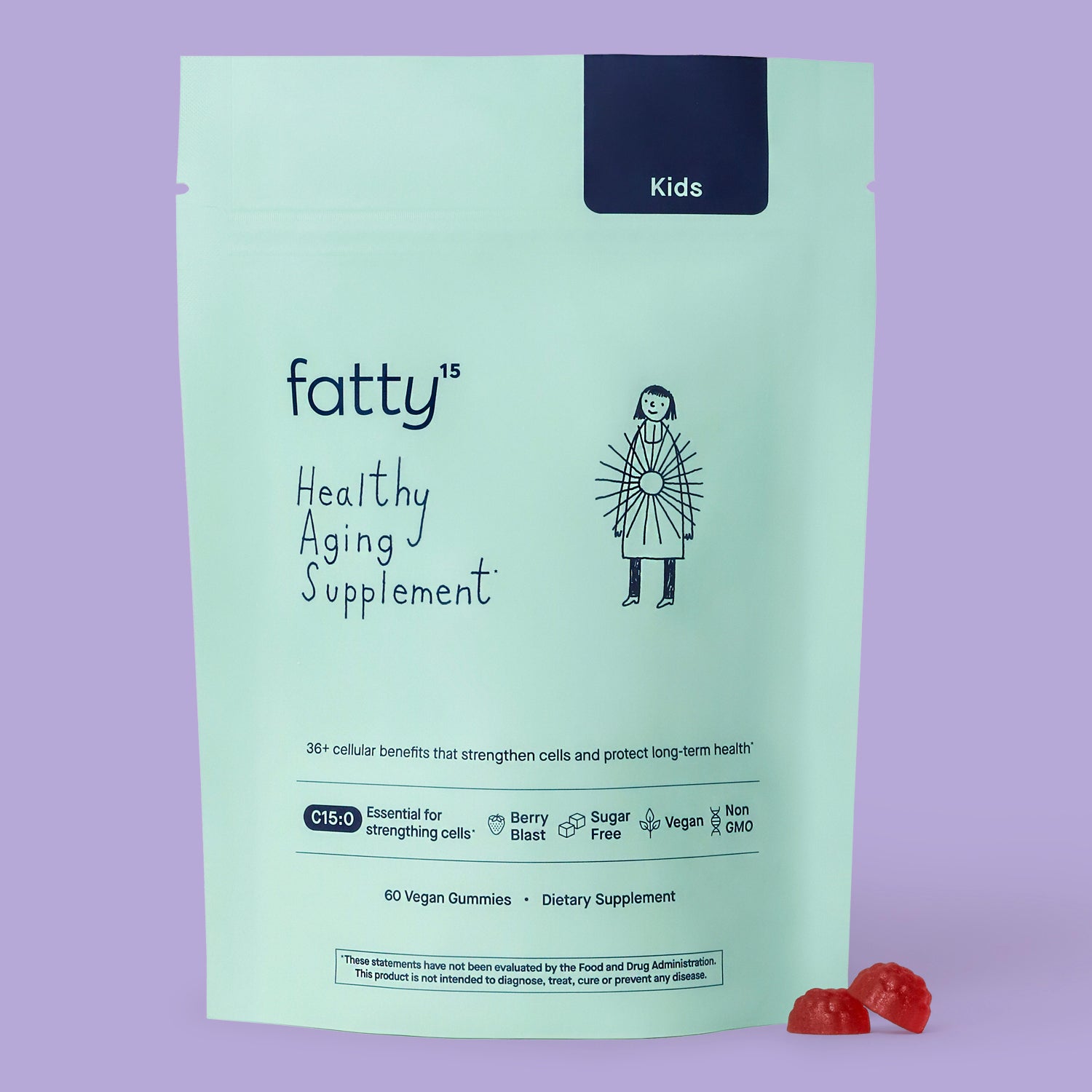
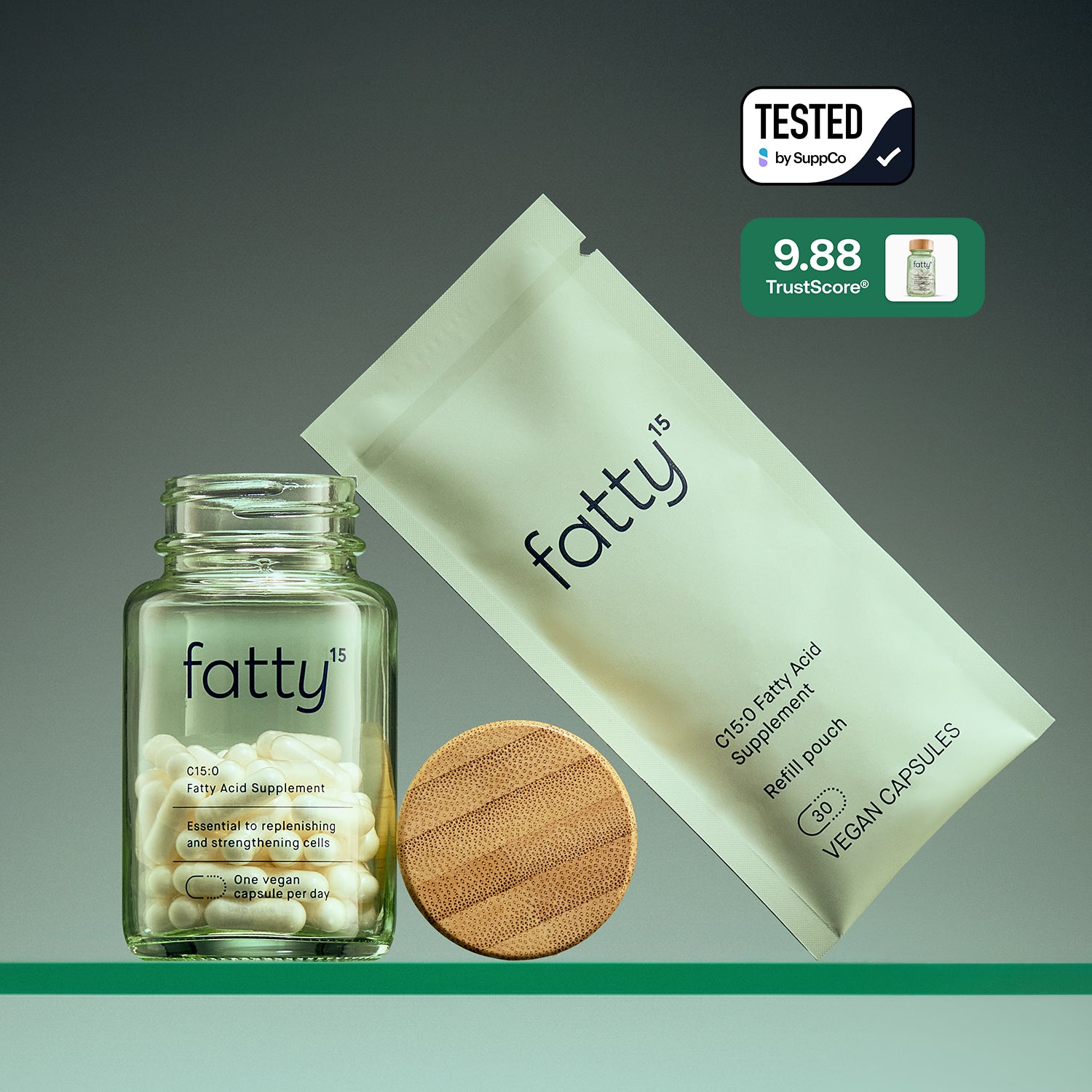
Unlike many supplements, fatty15’s C15:0 supplement contains a pure, vegan-friendly, ready-to-absorb form of C15:0 called FA15™, designed to support efficient absorption and cellular utilization.
Fatty15’s focus on peer-reviewed science , transparency, sustainability, and cellular health has helped position it as a trusted option for people looking to support healthy aging and whole-body wellness.*
Safety, Interactions, and Quality Concerns
Even well-researched supplements can carry risks if used improperly. One major concern is supplement-medication interactions. Certain supplements may alter the effectiveness of prescription medications or increase side effect risks.
Some common examples include:
-
Omega-3 fatty acids and blood thinners, which can lead to increased bleeding risk
-
Vitamin K and warfarin, which can cause reduced anticoagulant effectiveness
-
CoQ10 and blood pressure medications, which can result in possible additive effects
-
Herbal supplements and statins leading to potential liver interactions
Another challenge is supplement quality control. Because supplements are not preapproved by the FDA for safety or effectiveness, product potency and purity can vary widely between brands.
That’s why consumers should prioritize the following:
-
Third-party tested products
-
Transparent ingredient sourcing
-
Published scientific research
-
Companies committed to quality and sustainability
Choosing reputable brands can help reduce the risk of contamination, adulterants, or misleading ingredient claims.
Making Informed Choices Before Supplementing
Heart health supplements work best when approached thoughtfully and strategically.
Before adding supplements, it’s helpful to:
-
Assess your current diet and exercise habits
-
Discuss heart health goals with a healthcare provider
-
Obtain recommended bloodwork or lab testing
-
Choose supplements based on evidence and individual needs
This individualized approach helps avoid unnecessary supplementation while supporting more targeted wellness strategies.
At fatty15, science and transparency remain central to the conversation around long-term wellness. Our goal is always to support healthier cells and healthier aging through evidence-based approaches.
In addition, it’s worth noting that fatty15’s C15:0 supplement just passed the highest supplement test, TESTING by Suppco , earning a TRUST score of 9.88 (in the top 1% of all supplements tested.)
Frequently Asked Questions
What is the best supplement for heart health?
The most effective supplement depends on individual needs. Soluble fiber, plant sterols, CoQ10, and C15:0 may provide targeted support for cardiovascular and metabolic health when combined with healthy lifestyle habits.
Is Coenzyme Q10 effective for heart conditions?
CoQ10 may help support heart function in some people with heart failure or statin-associated muscle symptoms, though evidence is still evolving and benefits may vary.
Are vitamins D and B beneficial for cardiovascular disease?
Certain individuals with deficiencies may benefit from vitamins D or B supplementation, but these vitamins are not universally recommended for heart disease prevention.
|
*These statements have not been evaluated by the Food and Drug Administration. This product is not intended to diagnose, treat, cure, or prevent any disease. |
Sources:


