


What Are the Best Supplements for Liver Health?

Seraphina Therapeutics's Highlights
- The liver plays a central role in metabolism and overall cellular health.
- Some supplements, including milk thistle, TUDCA, vitamin E, and C15:0, may help support liver health when paired with healthy lifestyle habits.
- Choosing third-party tested, science-backed supplements is essential for safety and effectiveness.
- From filtering toxins and processing nutrients to supporting metabolism and energy production, the liver is involved in hundreds of essential processes every day. Because of its importance, it’s natural to want to invest in liver health, and a supplement can be a part of that investment.
- Unfortunately, the supplement market can be overwhelming. “Liver detox” products are everywhere, sometimes making huge promises without much scientific support. While some supplements may help support healthy liver function, they should also complement foundational lifestyle habits like a balanced diet, regular movement, quality sleep, and limiting alcohol intake.
- Liver health is deeply connected to overall cellular health. When our cells are functioning well, our metabolic systems, inflammatory responses, and energy production pathways are better equipped to support long-term wellness.
- In this guide, I’ll break down some of the most researched supplements for liver health, including milk thistle, TUDCA, vitamin E, and fatty15, while exploring what the science actually says about supplements for liver repair and liver detox support.
The Importance of Cellular Health for Liver Health
The liver is one of the body’s most metabolically active organs. Every day, it helps regulate blood sugar, metabolize fats, process medications, manage cholesterol levels, and support digestion through bile production. Because the liver is constantly exposed to metabolic stressors, maintaining healthy and resilient cells is critical for long-term liver function.
That’s one reason the conversation around liver health is evolving beyond simple “detox” claims and moving toward deeper cellular support. Let’s dive into the top liver supplements and the science that supports them.
1. C15:0
C15:0 (pentadecanoic acid) is the first essential fatty acid to be discovered in over 90 years . This odd-chain saturated fatty acid was identified in research led by Dr. Stephanie Venn-Watson, who was studying healthy aging in Navy dolphins.
Researchers observed that dolphins with higher C15:0 levels experienced better metabolic health and healthier aging markers over time. Today, more than 100 peer-reviewed studies support the growing understanding of C15:0’s role in cellular health , metabolic balance , mitochondrial function, and healthy aging.*
Research suggests that C15:0 supports cell membrane strength , mitochondrial efficiency , and healthy cellular signaling pathways.* Importantly, cellular health is closely connected to liver health.
The liver relies heavily on healthy mitochondria and stable cellular membranes to function properly. Studies have shown that C15:0 helps support healthy liver markers and metabolic pathways tied to long-term wellness.*
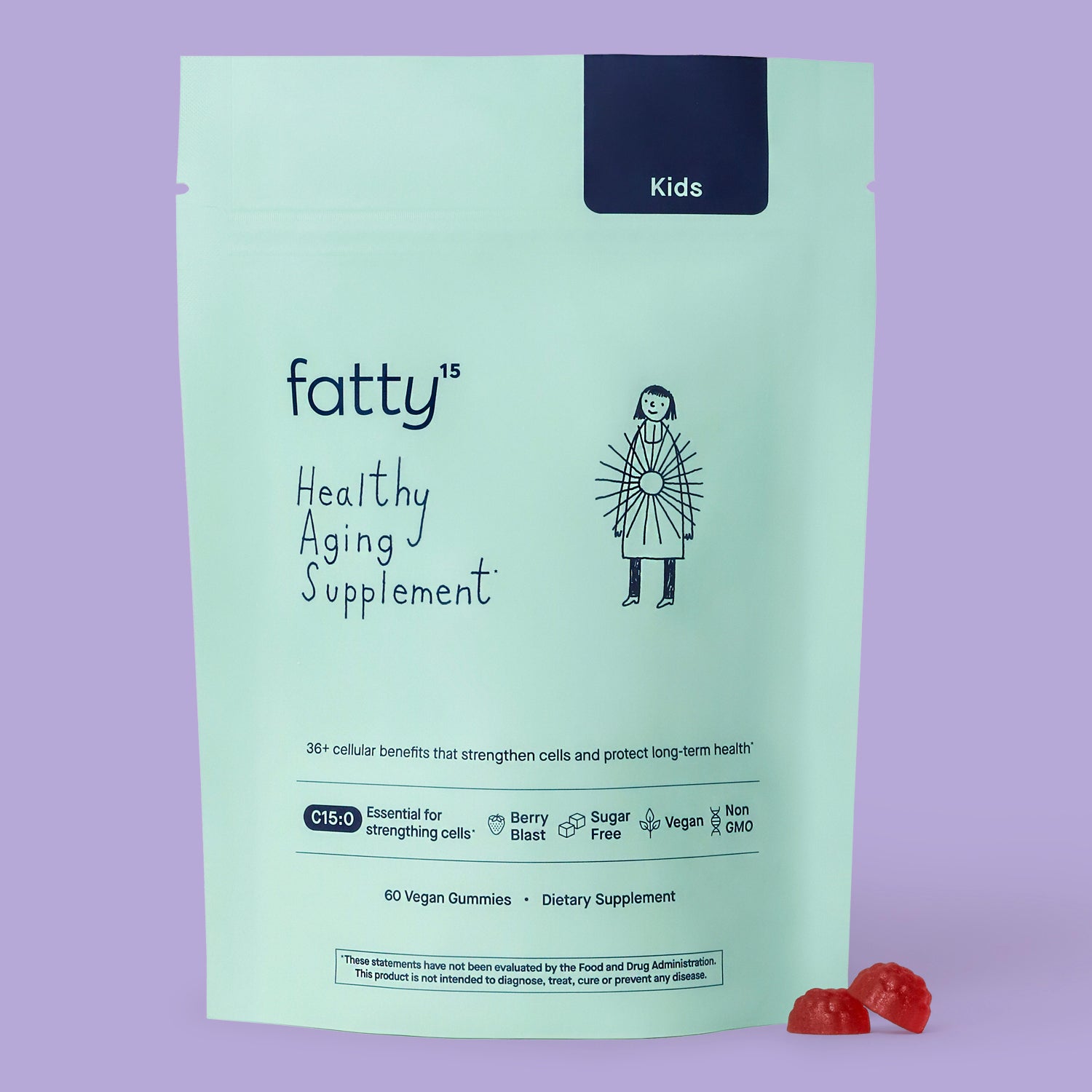
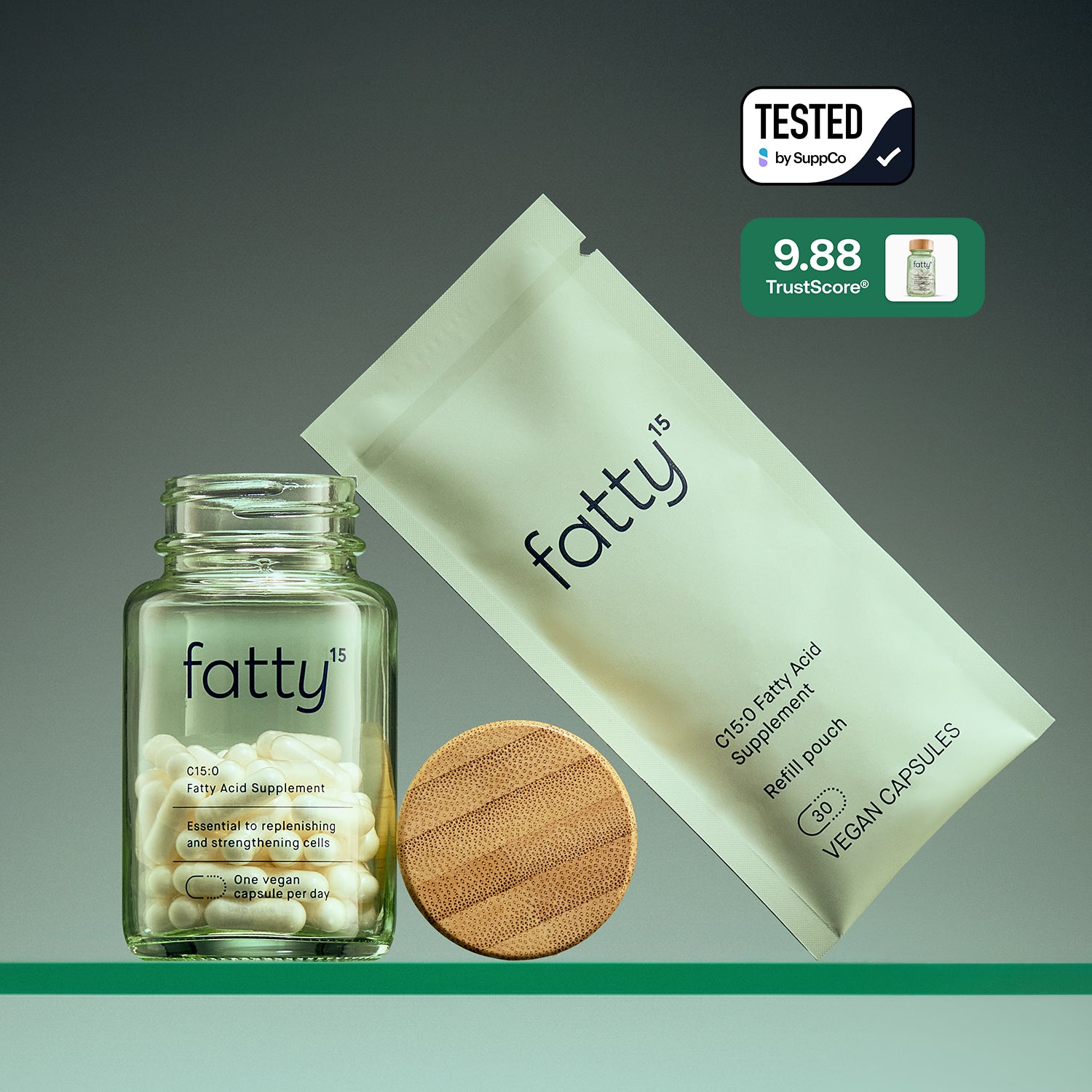
Unlike many generic supplements, fatty15’s C15:0 supplement contains a pure, patented, ready-to-absorb, vegan-friendly form of C15:0 called FA15™. Because FA15™ is already in free fatty acid form, it bypasses some of the digestive processing required for obtaining C15:0 from whole-fat dairy foods.*
2. Milk Thistle
Milk thistle is one of the most popular liver detox supplements in the United States. Derived from the Silybum marianum plant, milk thistle has been used in traditional herbal medicine for more than 2,000 years to address liver-related complaints.
The active compound in milk thistle is called silymarin, a mixture of plant compounds with antioxidant properties. Researchers believe silymarin may help stabilize liver cell membranes and reduce oxidative stress and inflammation in the liver.
Some studies have found that milk thistle supplementation may modestly reduce liver enzyme levels in people with certain liver conditions. However, the overall evidence remains mixed.
Clinical reviews have noted that many milk thistle studies are small, use inconsistent formulations, or vary significantly in methodology, making definitive conclusions difficult. That doesn’t necessarily mean milk thistle has no value, but it’s important to keep expectations realistic.
Milk thistle may offer supportive antioxidant effects, but it shouldn’t be viewed as a cure-all or replacement for medical treatment and healthy lifestyle habits.
Safety also matters. While milk thistle itself is generally considered well-tolerated, some multi-ingredient herbal blends marketed as liver detox supplements have been linked to rare cases of liver injury. Choosing third-party tested products from transparent companies is important.
3. Tauroursodeoxycholic Acid (TUDCA)
TUDCA, short for tauroursodeoxycholic acid, is a bile acid naturally involved in bile flow and digestion. It has gained popularity as one of the more targeted supplements for liver repair and gallbladder support.
Clinically, TUDCA has been used in certain conditions involving cholestasis, which occurs when bile flow is reduced or blocked. By supporting bile flow, TUDCA may help reduce cellular stress in the liver.
TUDCA supplements are widely available and often sold in doses up to 1200 mg per capsule. Some formulations combine TUDCA with ingredients like NAC (N-acetyl cysteine) or milk thistle to create comprehensive liver-support blends.
Research supporting TUDCA is promising in specific settings, especially those involving bile acid regulation and cellular stress. However, because its effects may vary depending on an individual’s condition and medications, TUDCA is generally best considered with healthcare provider guidance.
As with many supplements, more isn’t always better. The goal should be targeted support, not excessive supplementation.
4. Vitamin E
Vitamin E is a fat-soluble antioxidant that helps protect cells from oxidative stress. It has received significant attention for its potential role in nonalcoholic fatty liver disease (now commonly called MASLD, or metabolic dysfunction-associated steatotic liver disease).
Some clinical studies suggest that vitamin E supplementation may improve certain liver markers and reduce inflammation in select individuals with MASLD. Researchers believe this benefit may stem from vitamin E’s ability to reduce oxidative stress and inflammation within liver tissue.
However, vitamin E is not appropriate for everyone. High-dose supplementation has been associated with potential risks in some populations, which is why higher therapeutic doses should only be used under medical supervision. The recommended dietary allowance (RDA) for adults is 15 mg daily, while therapeutic liver-related doses are often substantially higher.
This highlights an important issue with liver health supplements. Targeted interventions may help specific people under specific circumstances, but individualized guidance remains important.
Safety and Practical Considerations
One of the biggest misconceptions about supplements is that “natural” automatically means safe. In reality, supplements can interact with medications, trigger allergic reactions, or even contribute to liver injury in rare cases.
Unlike prescription medications, dietary supplements are not preapproved by the FDA for safety or efficacy before being sold. That’s why third-party testing and transparent sourcing are critical when evaluating supplements for liver health.
Here are a few practical ways to evaluate supplement quality:
-
Look for third-party testing certifications
-
Choose brands with published research and transparent sourcing
-
Avoid exaggerated detox claims
-
Review ingredient lists carefully, especially with multi-herbal blends
-
Consult a healthcare provider before starting new supplements
The National Institutes of Health’s LiverTox® database is also a valuable resource for reviewing known supplement-related liver safety information. People managing chronic conditions or taking prescription medications should always speak with a healthcare professional before adding liver supplements to their routine.
Prioritizing Lifestyle for Liver Health
While supplements can provide targeted support, the foundation of liver health still comes down to lifestyle habits. Research consistently shows that maintaining a healthy weight , staying physically active, limiting alcohol intake, prioritizing sleep, and eating a nutrient-dense diet are among the most effective ways to support liver function.
This is especially important given that MASLD affects roughly 1 in 4 Americans. As metabolic health challenges continue to rise, sustainable daily habits become increasingly important for protecting long-term liver and cellular health.
Supporting your liver starts with supporting your cells. While no supplement can replace healthy daily habits, evidence-based options may help complement a broader wellness routine focused on long-term metabolic and cellular health.
Frequently Asked Questions About Liver Health Supplements
What supplements support liver health effectively?
Milk thistle, TUDCA, vitamin E (for select cases), and fatty acids are among the most researched liver health supplements. Their benefits are generally modest and work best alongside healthy lifestyle habits.
Are liver supplements safe to take with medications?
Some supplements may interact with medications or existing medical conditions. It’s important to consult a healthcare provider before adding supplements to your routine.
How long does it take to see benefits from liver supplements?
Results vary depending on the supplement, dosage, and individual health status. In most cases, liver health improvements occur gradually and depend heavily on consistent lifestyle habits.
Are liver supplements regulated for safety and efficacy?
Dietary supplements are not preapproved by the FDA for safety or efficacy. Choosing third-party tested products from reputable brands can help improve safety and quality assurance.
|
*These statements have not been evaluated by the Food and Drug Administration. This product is not intended to diagnose, treat, cure, or prevent any disease. |
Sources:
Silymarin as an Antioxidant Therapy in Chronic Liver Diseases: A Comprehensive Review | PMC
Impact of Silymarin Supplements on Liver Enzyme Levels: A Systematic Review | PMC


