


What Supplements Do Kids Actually Need? A Parent’s Guide

Seraphina Therapeutics's Highlights
- Most healthy children can meet many nutrient needs through a balanced diet.
- Emerging research suggests C15:0 may be an essential fatty acid that many kids are not getting enough of.*
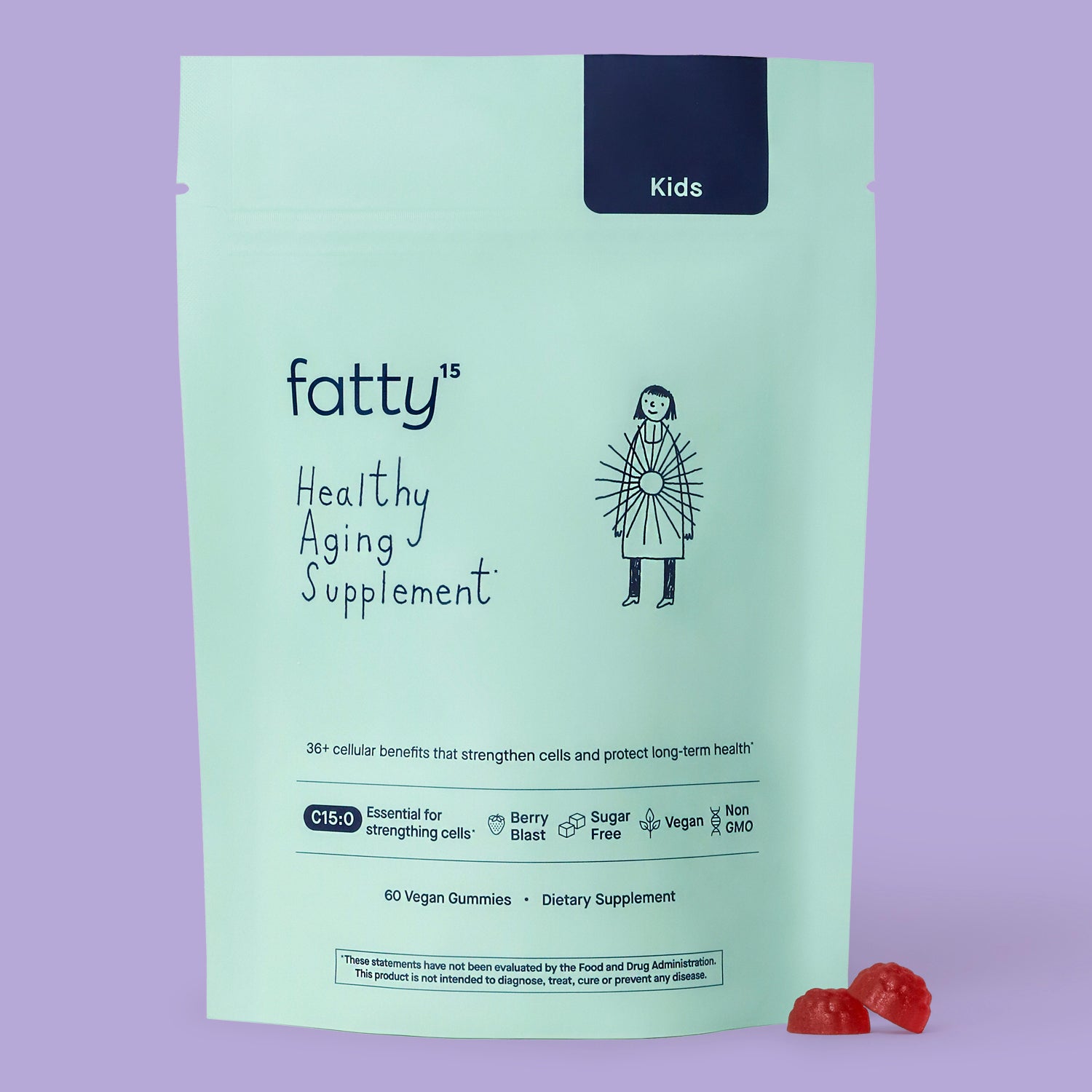
- Fatty15’s C15:0 supplement provides pure, bioavailable C15:0 without the excess calories or saturated fats found in whole-fat dairy.*
- Most healthy children don’t need a long list of supplements. In fact, serious nutrient deficiencies are relatively uncommon in developed countries, thanks to access to diverse foods, fortified products, and improved nutrition education.
- At the same time, new research continues to uncover nutrients that may play a bigger role in long-term health than we previously understood. One of the most exciting examples is C15:0, or pentadecanoic acid, the first essential fatty acid discovered in over 90 years.
- So what supplements do kids actually need? Let's separate fact from fiction and explore what growing bodies require to thrive.
Do Most Kids Need Supplements?
For many children, a well-rounded diet can provide most of the nutrients needed for healthy growth and development. Children who regularly eat fruits, vegetables, whole grains, proteins, and healthy fats often receive adequate amounts of many vitamins and minerals.
As a result, deficiencies in vitamin C, thiamine, niacin, and other essential vitamins are relatively rare compared to decades ago. But this doesn't mean nutritional gaps never occur.
Some children may be more likely to need additional support, including:
-
Picky eaters
-
Children following restrictive diets
-
Kids with food allergies
-
Children with digestive disorders that affect nutrient absorption
-
Highly active children with increased nutritional demands
For these children, healthcare providers may recommend targeted supplementation based on individual needs. The key takeaway is that more supplements don’t necessarily mean better health. Instead of focusing on quantity, parents should focus on whether children are consistently getting the nutrients their bodies truly need.
The Nutrients Most Commonly Discussed for Kids
When pediatricians discuss nutritional gaps, a few nutrients often come up repeatedly.
Vitamin D
Vitamin D supports bone health, immune function, and normal growth. Because many children spend less time outdoors and sunscreen blocks vitamin D production, supplementation is often recommended.
Iron
Iron supports oxygen transport and cognitive development. Children with limited diets or periods of rapid growth may sometimes require additional iron.
Omega-3 Fatty Acids
Omega-3 fatty acids support brain and eye development. While many families turn to fish oil supplements, intake can vary widely, depending on dietary habits. Moreover, one study found that 1 in 10 fish oil supplements was already rancid on store shelves before purchase.
Omega-3 is tricky because it also has a significant drawback. At some doses, it can lead to thinning of the blood and excess bleeding if an injury occurs.
These nutrients remain important, but they are also well-known and widely discussed. What is less widely recognized is that another essential fatty acid may have been quietly disappearing from children's diets for decades.
The Emerging Importance of C15:0
Pentadecanoic acid (C15:0) is an odd-chain saturated fatty acid that plays an important role in maintaining cellular health. Unlike nutrients our bodies can make on their own, essential fatty acids must be obtained through diet or supplementation.
For nearly a century, only two essential fatty acids were recognized. Recent research, however, has identified C15:0 as a third essential fatty acid.*
This discovery originated from an unexpected source: a long-term effort to improve the health and longevity of aging Navy dolphins . Researchers observed that dolphins with lower C15:0 levels experienced more age-related health challenges, while restoring C15:0 levels supported healthier aging and metabolic function.*
Subsequent studies have expanded these findings and demonstrated that C15:0 meets the criteria of an essential nutrient. Unlike many traditional nutrient deficiencies, low C15:0 levels may be surprisingly common.*
Why Are C15:0 Levels Declining?
For generations, whole-fat dairy products served as a primary dietary source of C15:0. However, beginning in the 1970s, nutritional guidelines encouraged widespread reductions in saturated fat consumption. As a result, intake of whole-fat dairy products steadily declined.
Today, many families choose low-fat dairy or plant-based alternatives. The challenge is that plant-based milk alternatives contain little to no C15:0. At the same time, reduced consumption of traditional dairy sources may have contributed to lower circulating levels across the population.
Researchers now believe that declining C15:0 intake may be affecting a substantial portion of people worldwide.*
Why Does C15:0 Matter for Children?
Children are constantly building. Their bodies are creating new tissues, supporting rapid growth, developing immune systems, and building complex neural networks that support learning and development. At the foundation of all these processes are healthy cells.
C15:0 helps support cellular stability by strengthening cell membranes and helping protect them from age-related breakdown. Research has shown that C15:0 can improve cellular strength by up to 80% in laboratory studies.*
Scientists have also found that C15:0 supports mitochondrial function. In cellular studies, researchers have shown that C15:0 improves mitochondrial function, reduces damaging oxidative stress, and increases cellular energy production.*
While more pediatric-specific research is needed, these foundational cellular functions are important throughout life, including during childhood growth and development.
Understanding Cellular Fragility Syndrome
One of the most significant recent discoveries involving C15:0 is the identification of Cellular Fragility Syndrome. Published research suggests that low C15:0 levels can contribute to fragile cell membranes and a form of cell death known as ferroptosis.*
Ferroptosis has been linked to accelerated aging and poorer metabolic, heart, and liver health. Researchers have proposed that inadequate C15:0 levels may contribute to this process by reducing cell stability and resilience.*
Importantly, studies have shown that restoring C15:0 levels helps address key components associated with cellular fragility, including membrane stability, mitochondrial health, oxidative stress, and cellular signaling.*
For parents, this highlights an important shift in how we think about nutrition. Health isn’t simply about preventing classic vitamin deficiencies. It’s also about providing the building blocks that help cells remain strong and resilient throughout life.
Can Kids Get Enough C15:0 From Food?
The richest natural dietary sources of C15:0 are whole-fat dairy products, such as milk, butter, and certain cheeses.
However, obtaining meaningful amounts of C15:0 through food can be challenging for several reasons:
-
First, C15:0 is present in relatively small amounts in dairy products. You’d have to consume a lot of whole-fat dairy to get the amount you need.
-
Second, whole-fat dairy also contains additional fats and calories that families may not want to consume in large amounts. Whole-fat dairy also contains even-chain saturated fats, which are consistently associated with poorer health outcomes.
-
Third, dairy intake varies dramatically between children, especially among those with lactose intolerance, dairy allergies, or plant-based eating patterns.
-
Finally, the amount of C15:0 present in dairy products can vary based on how animals are raised and fed.
These factors make it difficult to consistently achieve optimal C15:0 intake through food alone.
What Research Reveals About C15:0 and Healthy Growth
One of the strongest pieces of evidence supporting C15:0 as an essential nutrient comes from a 2024 clinical trial involving young adults with overweight or obesity. Researchers found that daily supplementation with C15:0 increased circulating C15:0 levels over a 12-week period. More importantly, participants with higher C15:0 levels showed improvements in multiple markers of metabolic health.*
The researchers showed that oral C15:0 supplementation can effectively restore circulating C15:0 levels, a key criterion for any nutrient to be considered essential.*
Even more compelling is the growing body of research connecting C15:0 to healthy growth and development . Studies of mothers and infants, along with controlled animal models, have found that lower C15:0 levels are associated with poorer growth outcomes, while restoring adequate C15:0 supports healthy development.*
Taken together, the evidence suggests that C15:0 is more than simply another dietary fat. It appears to be a foundational nutrient that supports healthy growth early in life and contributes to long-term health across the lifespan.*
As scientists continue to study C15:0, the emerging message is becoming increasingly clear: maintaining adequate levels may be important not only for healthy aging, but for healthy development from the very beginning.*
Why a Supplement May Be the Best Way To Support Healthy C15:0 Levels
Fatty15’s C15:0 supplements contain FA15®, a pure, bioavailable form of C15:0 developed specifically to help restore healthy levels of this essential fatty acid.
Unlike food sources, fatty15 delivers C15:0 as a free fatty acid. This means it is ready for absorption without the same digestive breakdown process required to release C15:0 from triglycerides in dairy products.
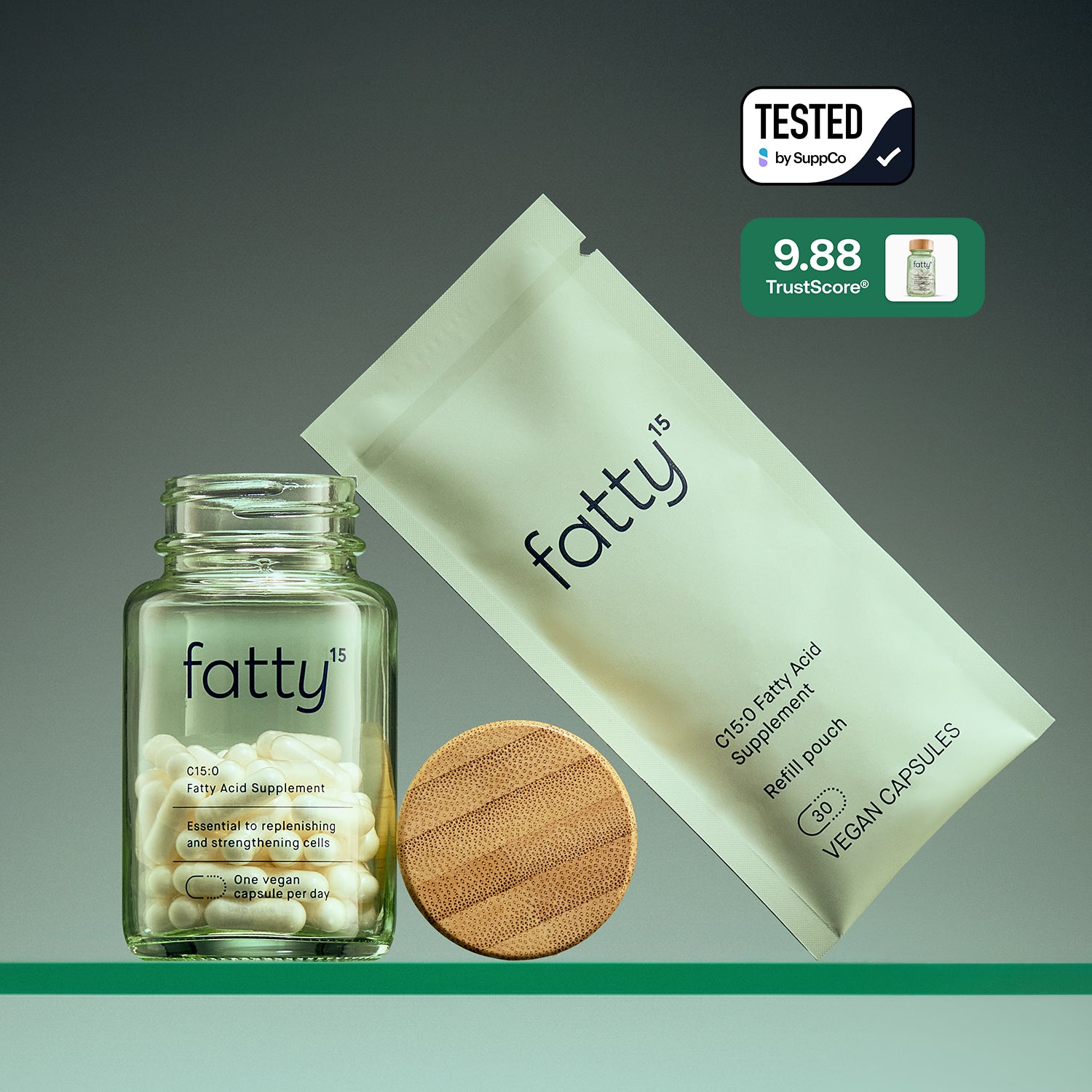
In addition, it’s worth noting that fatty15’s C15:0 supplement just passed the highest supplement test, TESTING by Suppco , earning a TRUST score of 9.88 (in the top 1% of all supplements tested).
Fatty15 also offers several additional advantages:
-
Pure C15:0 without excess dairy fats
-
Vegan-friendly formulation
-
Just one calorie per serving
-
Bioavailable free fatty acid form
-
Developed using research-backed science
-
Third-party tested with a SuppCo TRUST score of 9.88
For families seeking a simple way to support healthy C15:0 levels, fatty15 offers a targeted solution that avoids the variability of food sources. For kids, fatty15 offers delicious-tasting C15:0 gummies that are sugar-free and allergen-free.
Supporting Lifelong Health Starts Early
When parents think about nutrition, it's easy to focus only on deficiencies we have known about for decades. Yet science continues to evolve, revealing new insights into the nutrients our bodies need to function at their best.
While most children don’t require an extensive supplement regimen, ensuring adequate intake of essential nutrients remains important. Emerging research suggests that C15:0 may represent one of the most significant nutritional discoveries in recent decades, with implications for cellular health, metabolic wellness, and healthy aging.
By supporting healthy C15:0 levels early in life, we can help provide children with one of the fundamental building blocks their cells need to stay strong and resilient.
Fatty15 delivers pure, bioavailable C15:0 in a convenient daily supplement, making it an easy way to support healthy levels of this newly recognized essential fatty acid. As research continues to uncover the far-reaching benefits of C15:0, providing this foundational nutrient may be one of the smartest investments we can make in lifelong health.
|
*These statements have not been evaluated by the Food and Drug Administration. This product is not intended to diagnose, treat, cure, or prevent any disease. |
FAQs
What supplements do kids really need?
Your child needs a variety of vitamins and minerals to grow healthy and strong. Four important nutrients are vitamin D, iron, C15:0, and zinc.
What vitamins do ADHD kids lack?
Children with ADHD frequently show lower levels of essential micronutrients, particularly vitamin D, Iron, Magnesium, Zinc, and B vitamins (B2, B6, B9, and B12). These deficiencies can exacerbate symptoms like inattention, hyperactivity, and fatigue.
What are the 7 brain foods for kids?
Eggs, fatty fish, Greek yogurt, berries, leafy greens, nuts and seeds, and whole grains.
How can I sharpen my kid’s brain?
Physical activity is essential for brain development and can help improve memory and concentration.
Sources:
Revealed: many common omega-3 fish oil supplements are ‘rancid’ | Guardian


