


7 Supplements & Vitamins To Support Brain Health

Seraphina Therapeutics's Highlights
- Several nutrients support cognition, but most target only one area of brain health, energy, mood, or inflammation, rather than the underlying cellular foundation.
- Omega-3s remain helpful but have notable drawbacks, including oxidation, fishy aftertastes, and safety concerns at high doses.
- C15:0, the pure and stable fatty acid in fatty15, strengthens brain cells from the inside out, supporting mood, clarity, and long-term cognitive resilience.
- Several nutrients support cognition, but most target only one area of brain health, energy, mood, or inflammation, rather than the underlying cellular foundation.
Your brain is always “on.” It’s managing your thoughts, memories, moods, and internal monologue (which, let’s be honest, can get pretty lively).
Because it’s such a demanding organ, it needs consistent nourishment to keep neurons firing efficiently and communication networks running smoothly. While a balanced lifestyle provides the base layer, the right vitamins and supplements can give your brain the extra support it needs to stay sharp and resilient.
This guide walks through some of the most researched nutrients for cognitive health and highlights the one emerging ingredient: C15:0, the science-backed, essential fatty acid in fatty15™.
What Your Brain Needs To Stay Healthy
A thriving brain depends on strong, flexible cell membranes, steady neurotransmitter activity, healthy inflammation levels, and reliable energy production inside the mitochondria. When these systems are supported, cognitive functions like memory, focus, mood regulation, and mental clarity tend to work more efficiently.
Let’s explore the nutrients known to support these systems, working our way toward the latest and most promising addition to the brain-health conversation.
1. B Vitamins
B vitamins are essentially the brain’s energy team. They help convert the food you eat into usable fuel while supporting the production of neurotransmitters that regulate memory, mood, and mental stamina.
Vitamins B6, B9, and B12 are important because low levels of these nutrients are associated with poor energy, foggy thinking, and elevated homocysteine, an issue linked to cognitive decline. People who follow plant-forward diets, older adults, and anyone feeling mentally sluggish often notice meaningful improvements when they begin correcting low B-vitamin levels.
2. Vitamin D
Vitamin D quietly influences a wide spectrum of brain functions. It helps regulate inflammation, supports immune activity that affects the brain, and plays a role in mood balance. Despite how crucial it is, many people are deficient in vitamin D because of indoor lifestyles or limited sun exposure.
When levels return to normal, people often report clearer thinking, a more stable mood, and a general sense of cognitive steadiness. Vitamin D may not feel like a dramatic “brain booster,” but it remains one of the most foundational nutrients for long-term brain health.
3. Magnesium
Magnesium participates in hundreds of biochemical reactions, many of which occur in the brain. One form in particular, magnesium L-threonate, stands out because it crosses the blood-brain barrier more efficiently than others.
This form has been studied for its ability to support working memory, stress regulation, and healthy sleep patterns, all of which deeply influence cognitive function. Many people who struggle with mental fatigue, tension, or restless sleep find that magnesium L-threonate helps restore a sense of calm clarity.
4. Creatine
Although creatine is famous for its role in athletic performance, your brain also relies on it to generate quick, reliable energy. Tasks that demand focus and problem-solving burn through a surprising amount of cellular fuel, and creatine offers a readily accessible backup source.
Research has shown that creatine can support memory, cognitive processing, and even mood, especially in people who don’t consume much dietary creatine, such as plant-based eaters. Older adults and individuals under chronic stress may also benefit, since their brains often struggle with efficient energy production.
5. Adaptogens: Lion’s Mane, Ashwagandha, and Rhodiola
Adaptogens are a category of botanicals used to help the body cope with stress. Since chronic stress is one of the biggest enemies of cognitive performance, adaptogens can be powerful allies for the brain.
Lion’s mane mushroom may support nerve growth factor, which plays a role in neuron repair and healthy communication pathways. Ashwagandha is known for promoting calmness, steadier mood, and better sleep. Rhodiola, a favorite for mental endurance, may help reduce feelings of burnout and improve the brain’s resistance to fatigue.
Together, these herbs can help restore mental balance and clarity during demanding phases of life.
6. Omega-3 Fatty Acids (EPA & DHA): Helpful, but Not Perfect
Omega-3 fatty acids have long been the celebrities of the brain-health world. DHA contributes to the structural integrity of brain cells, while EPA helps regulate inflammation. It’s no surprise that people take fish oil to support memory, learning, and mood.
While omega-3s certainly offer benefits, they come with some well-known drawbacks. Because they are polyunsaturated fats, they are chemically fragile and prone to oxidation.
This instability means that fish oil capsules can turn rancid before they ever make it to your pantry. Oxidized oils can actually promote inflammation rather than reduce it. An independent study found that at least one in 10 fish oil supplements is rancid on store shelves before they were even purchased.
There’s also the sensory experience. Fish oil has a distinct taste and smell, and even the so-called “burp-less” formulas often cause fishy aftertastes that linger throughout the day.
And finally, in high doses, omega-3s may thin the blood, which can be an issue for people who are prone to bleeding or who experience extremely low blood pressure. None of these concerns make omega-3s useless, but they reveal limitations that many people aren’t aware of.
These shortcomings have paved the way for a more stable, more modern fatty acid to take center stage.
7. C15:0: A Powerful Nutrient for Long-Term Brain Health
C15:0 (pentadecanoic acid) is an emerging essential fatty acid gaining attention for its ability to support long-term cognitive health. As the first fatty acid in over 90 years to meet the criteria for essentiality, C15:0 plays a foundational role in helping the brain stay resilient, balanced, and clear as we age.
Because our bodies don’t make enough C15:0 on their own, levels naturally decline over time, which is an issue increasingly linked to weaker metabolic health, higher inflammation, and poorer cognitive performance.
Fatty15, a pure and bioavailable form of C15:0, helps restore healthy levels and supports whole-body stability that directly benefits the brain.
How C15:0 Supports Cognitive Function
Research shows that C15:0 helps protect two key pathways tied to mood, memory, motivation, and neural health:
-
Inhibits FAAH , preserving endocannabinoids, which are your body’s own “feel-good” molecules that support healthy mood regulation, sleep quality, balanced inflammation, and smooth communication between brain cells.
- Inhibits MAO-B , helping maintain dopamine levels essential for memory formation, focus, emotional stability, and healthy sleep-wake rhythms.
The Cellular Advantage
C15:0 also works at the deepest level of brain health by improving the strength and resilience of the cells that keep the brain functioning well.
It has been shown to:
- Strengthen and stabilize cell membranes
- Enhance mitochondrial function and cellular energy
- Support healthy inflammatory responses
- Promote communication between cells
With more than 100 peer-reviewed studies supporting its broad cellular benefits, C15:0 stands out as a promising nutrient for preserving cognitive clarity, emotional balance, and healthy brain aging.
How It Compares to Omega-3
It would be hard to position C15:0 as an alternative to omega-3 without peer-reviewed scientific evidence to support C15:0’s additional benefits. As it turns out, the scientists who discovered the importance of C15:0 put it to the test, positioning it in a head-to-head showdown against pure EPA, the omega-3 fatty acid that has consistently been shown to support cardiovascular health in adults.
The results? C15:0 was shown to be better, broader, and safer than EPA in all 12 cell-based systems studied.
- Better. C15:0 had more than 26 clinically relevant benefits compared to omega-3. Omega-3 only had 10.
- Broader. C15:0 repaired 2.5 times more cell types compared to omega-3. C15:0 repaired 10 cell types out of 12, whereas omega-3 only safely repaired 4 out of 12.
- Safer. C15:0 was found to be safe for all 12 cell types. Omega-3 was found to be toxic to four out of the 12 cell types, including lung and blood vessel cells.
Not to mention, C15:0 is not derived from fish oil, so there’s never a fishy aftertaste. Further, science supports that C15:0 is an essential nutrient and thus, not having enough of it can lead to a deficiency.
Cellular Fragility Syndrome
Low levels of C15:0 (also called pentadecanoic acid) can result in fragile cells that accelerate cellular aging and increase the risk of developing chronic metabolic, heart, and liver conditions. This newly recognized nutritional C15:0 deficiency syndrome has been named Cellular Fragility Syndrome and may be impacting as many as 1 in 3 people worldwide.
One of the reasons supplementation matters is that C15:0 consumption has dropped considerably over the last generation. Historically, humans consumed it through whole-fat dairy, but decades of low-fat dietary trends have significantly reduced intake.
However, boosting our C15:0 levels isn’t as simple as consuming more whole milk. Whole-fat dairy packs a massive amount of calories and is problematic in terms of actually being considered “healthy.”
While whole dairy contains the essential C15:0 your body needs, it also contains excess sugar (lactose) and bad, even-chain saturated fats your body doesn’t need.
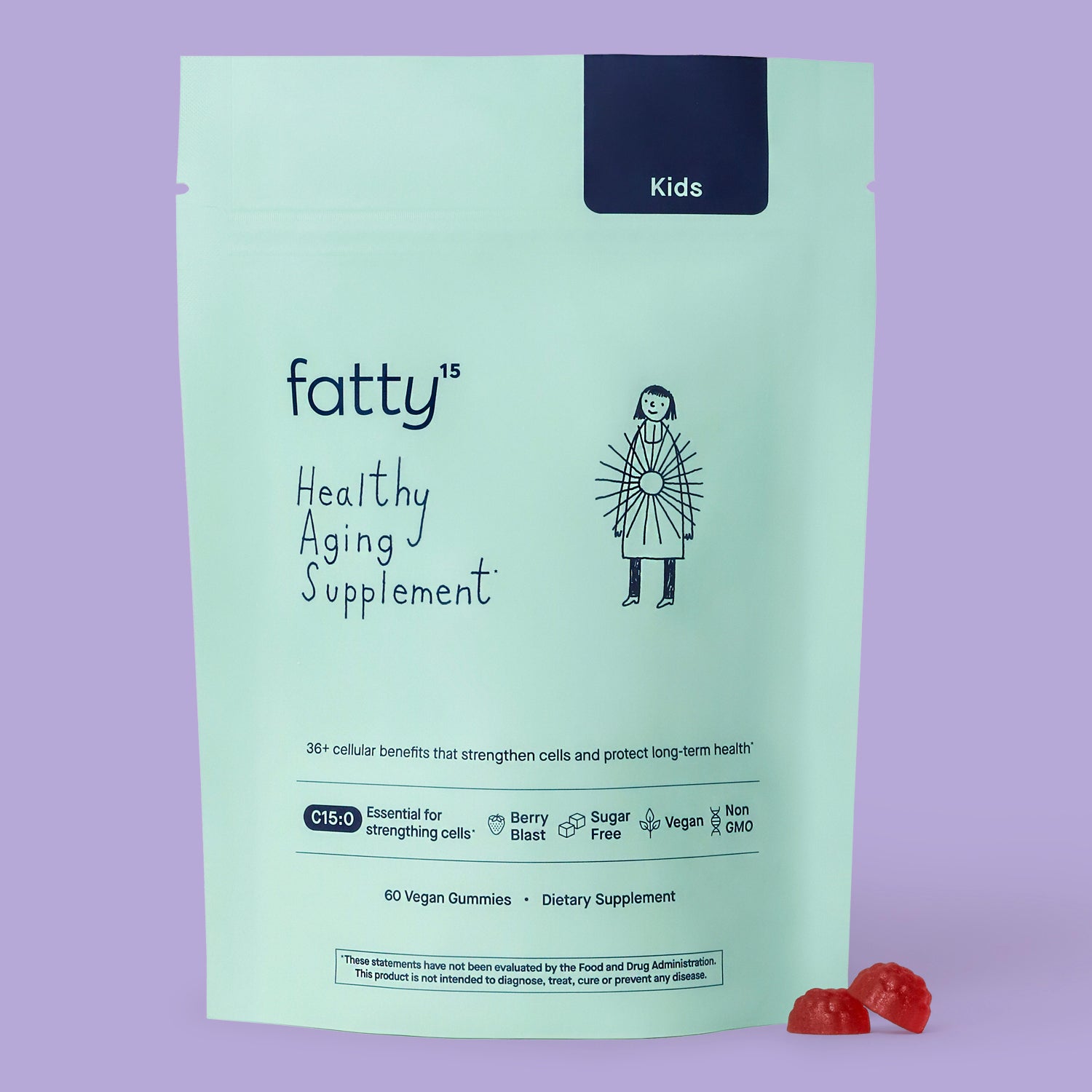
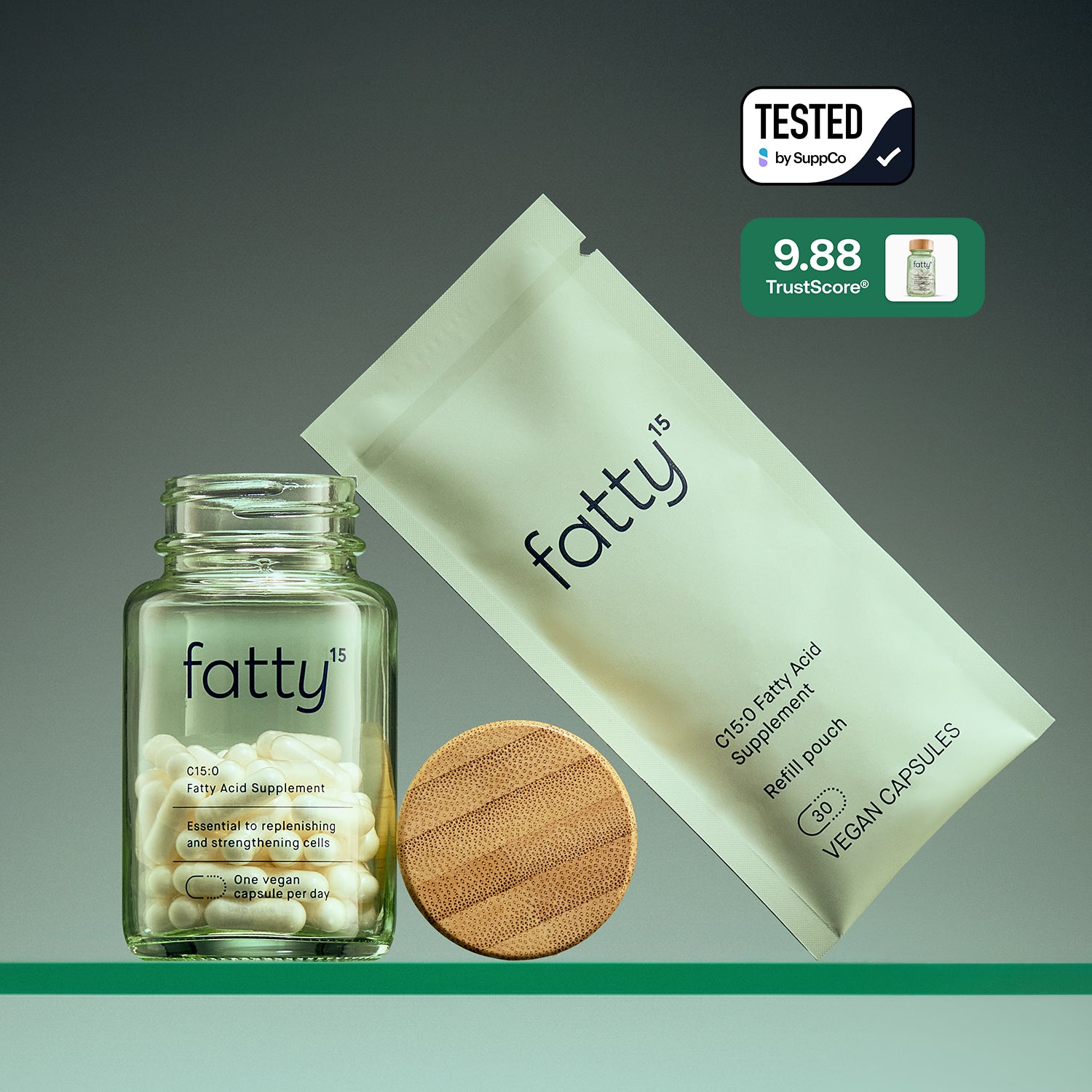
Fatty15 is the first and only supplement that contains the pure, vegan-friendly version of C15:0. At just one calorie per dose, it contains everything you need, and nothing you don’t. It’s the easy way to boost your C15:0 levels and take a step towards protecting your brain health and your longevity.
FAQs
What vitamin cuts dementia risk by 40%?
Some studies have found that older adults who ate diets containing the highest amounts of riboflavin, also known as vitamin B2, had a 49 percent lower risk of developing disabling dementia than their peers who ate the least amount of riboflavin.
What are the three superfoods for your brain?
The three best foods for brain health are fatty fish, blueberries, and leafy green vegetables, due to their high content of omega-3 fatty acids, antioxidants, and essential vitamins.
Brain Boosters
Brain health is influenced by many factors, and supplements work best alongside everyday habits, like good sleep, hydration, nutrient-rich meals, and stress management. Classical nutrients like B vitamins, vitamin D, magnesium, creatine, adaptogens, and even omega-3s all play valuable roles in supporting cognitive performance and emotional balance.
Among all the nutrients available today, C15:0 stands out as one that supports the very foundation of brain-cell health. Its stability, broad-reaching cellular benefits, and growing body of peer-reviewed science supporting its broad health benefits make fatty15 one of the most promising supplements for supporting our cognitive health.
When you’re looking for a nutrient that supports your long-term health and wellness, including the health of your brain, fatty15 is the standout choice.
Sources:
How B Vitamins Can Affect Brain and Heart Health | School of Medicine
The Role of Vitamin D in Brain Health: A Mini Literature Review | PMC
Revealed: many common omega-3 fish oil supplements are ‘rancid’


