



From Sick Care to Self Care: Why Prevention Is Becoming the New Health Care Model

Sharlyne Poggio's Highlights
- Health care costs and rising chronic disease are pushing Americans toward prevention, since "people can no longer afford to get sick." The article notes that 129 million Americans live with one or more chronic diseases, and that consumers are increasingly turning to wearables, telehealth, and online health education to manage their wellness proactively rather than waiting to treat illness. It frames this as more than a passing wellness trend—arguing that personalized, holistic preventative care tailored to each person's lifestyle and genetics represents "the future of health care."
As health care costs rise and consumers take greater ownership of their well-being, prevention is emerging as a defining force in modern health.
Shifting Attitudes Toward Health Care
Interest in preventive health care is steadily increasing. Many Americans today find themselves without insurance or access to quality care, often due to rising health care costs. People can no longer afford to get sick. At the same time, chronic disease rates are growing.
As a result, more people are focusing on disease prevention. There’s a greater understanding of the importance of developing daily habits at every life stage to increase the chances of healthy aging, according to Fatty15.
People now view lifestyle changes as preventative health care. The booming wellness industry indicates that people are choosing to invest in their wellbeing instead of waiting until they get sick.
Why the Traditional Health Care Model Is Being Reevaluated
Historically, the US health care system has focused on diagnosing a problem and treating it. This reactive approach doesn’t typically prioritize taking steps to prevent disease or helping people maintain their health if they aren’t sick yet.
With chronic disease rates increasing, it’s evident that this model isn’t working for many Americans. In the US, 129 million people have one or more chronic diseases, and rates have steadily grown over the past two decades. Mortality rates have also risen for many chronic diseases, like liver disease, which impacts 4.5 million adults.
Chronic disease affects all ages today, including young adults. 6 out of 10 young adults currently suffer from one or more chronic conditions, with prevalence rates rising since 2013.
Many conditions increase the risk of developing more diseases. Metabolic syndrome, for example, impacts up to 31.4% of adults globally. It correlates with a slew of health conditions such as cardiovascular disease, diabetes, hypertension, metabolic hyperferritinemia, and MASLD.
Chronic disease treatment and management are costly, yet many Americans do not have access to insurance, or their condition may not qualify for coverage. In 2022, $4.5 trillion was spent on health care, but 90% of it was for chronic mental and physical diseases, particularly cardiovascular disease and dementia. For those who can’t afford to get sick, preventative care may be financially necessary.
Early intervention can prevent chronic diseases from forming, dramatically improving health outcomes. Whether it’s to ensure a better quality of life or prevent the burden of medical debt, people are increasingly motivated to seek out preventative care today.

Consumers Are Taking Health Into Their Own Hands
Aging is inevitable, but many no longer believe getting sick is. People are steadily taking a proactive approach to their health.
In our digital world, health care education is more accessible today. People who don’t typically have access to health care or information now get it for free online. Health and wellness content creators can make it easier to understand complex medical conditions or terms and help people adopt new daily habits. Online wellness trends largely center around longevity, with readily available content on popular preventative care topics like nutrition, sleep health, fitness, and stress management.
The wellness industry reflects this preventative shift. Consumer interest in fitness and wellness products, preventative health care habits, and personalized treatment is shaping the health and wellness market today. Consumer demand is growing as interest grows. All age groups are spending more on wellness products, but younger generations are spending the most on different types of wellness products. This indicates that preventative wellness will continue to expand across all generations.
Technology Is Making Prevention More Accessible
Understanding and receiving preventative care is often not accessible for those who need it most. In the United States, the areas with the highest rates of chronic illness also have greater economic, social, and environmental barriers. Stroke and hypertension rates are higher across US cities for people getting government assistance, living in older, lower-value homes, and for Black residents.
Technological advancements can make preventive health care more accessible for all. People no longer need a car to take time off work or insurance to get help early on. With telehealth, at-home diagnostic tools, and wearable devices, providers can now offer preventative care and remote patient monitoring. Wearable devices allow people to successfully and easily manage health changes and know when intervention is necessary, preventing complications.
Social media, online education, and even AI can help people develop daily habits tailored to their wellness goals. Utilizing tracking tools gives insight into daily habits and needs. Measurable data allows people to monitor their progress at home and easily consult with providers.
The New Focus on Everyday Health Habits
Preventative health care requires more than an annual checkup, and people today are willing to do the work. People are increasingly embracing wellness that feels sustainable instead of buying into quick fixes like juice detoxes or 30-day challenges.
The importance of taking small steps to improve quality of life, such as reducing screen time or getting more steps in, has become mainstream in wellness today. People now understand that a few positive daily habits can have a greater impact on long-term health than making intense or radical changes that aren’t sustainable.

Why Businesses and Health Care Systems Are Paying Attention
People aren’t the only ones embracing preventative care. The health care industry is also paying attention. There are numerous incentives for health care systems to develop new prevention methods, focus on early intervention, and make preventive health care accessible.
Preventing disease reduces death rates, improves health outcomes, and reduces costs. According to the CDC, the leading cause of death in the United States is heart disease and stroke. This costs $223.2 billion per year for the health care system. Cardiovascular disease costs are predicted to reach $2 trillion in 2050. It’s clear that neglecting preventative care will be costly for the health care system.
More insurance providers are including coverage or reimbursement for prevention tools like acupuncture, therapy, and at-home testing kits. It’s becoming rarer for plans to require a primary care provider referral, which created unnecessary barriers to receiving care.
Employer-based health care plans often now include competitive wellness incentives. Gym membership reimbursements, stipends for wellness goods, and rewards for healthy habits, on top of company wellness retreats or rest weeks, are becoming expected.
What the Future of Health Care May Look Like
Personalized, preventative care that takes a holistic approach used to be considered an alternative. Today, it’s the future of health care. There’s a growing understanding that health care needs to be tailored to each individual's specific lifestyle, including social, environmental, and genetic factors.
Providers are more likely to make personalized recommendations thanks to advancements in genetic testing, biomarkers, and monitoring tools. With accessible education and data to pull from, people are more empowered to develop sustainable, daily habits based on their needs and goals.
The health care industry’s emphasis on disease management will progressively shift toward wellness maintenance and disease prevention. Health care research is increasingly focused on finding new ways to prevent chronic disease and improve resilience and longevity.
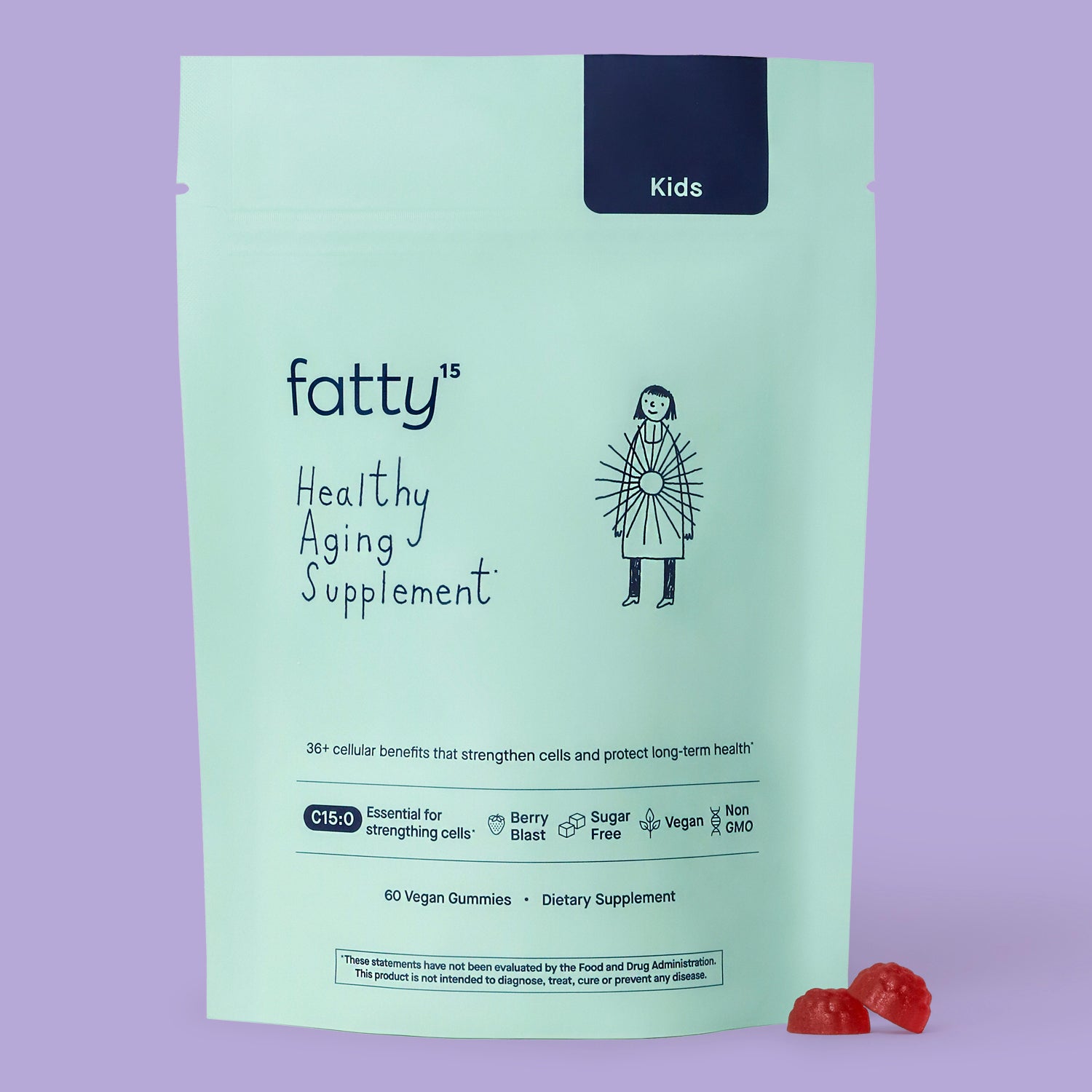
New breakthroughs in preventive care will continue to emerge, like the recent discovery of Pentadecanoic Acid (C15:0), an essential fatty acid. This discovery revealed the importance of maintaining C15:0 levels, as daily supplementation helped treat nutritional deficiencies, prevent liver disease, diabetes, cognitive decline, and more. Emerging research and technological advancements will continue to support our understanding of healthy aging and preventive health care.
Prevention Is Becoming the Main Event
People and providers are increasingly moving away from reactive care to preventative care. There’s a greater emphasis today on adopting daily habits to prevent disease and improve wellness long-term.
While there have been numerous wellness trends over the past decade, preventative health care is more than a trend. It has changed our general understanding of health and wellness. This newfound focus on prevention shows immense promise for the future of the health care industry.


