


Pentadecanoic Acid Research: A Timeline of Key Studies (2015–2026)

Seraphina Therapeutics's Highlights
- C15:0 is an odd-chain saturated fatty acid that was first identified as a longevity-supporting nutrient through research.*
- In a head-to-head comparison using 148 clinically relevant biomarkers across 12 human cell systems, C15:0 showed 36 dose-dependent activities, outperforming the highest quality omega-3.*
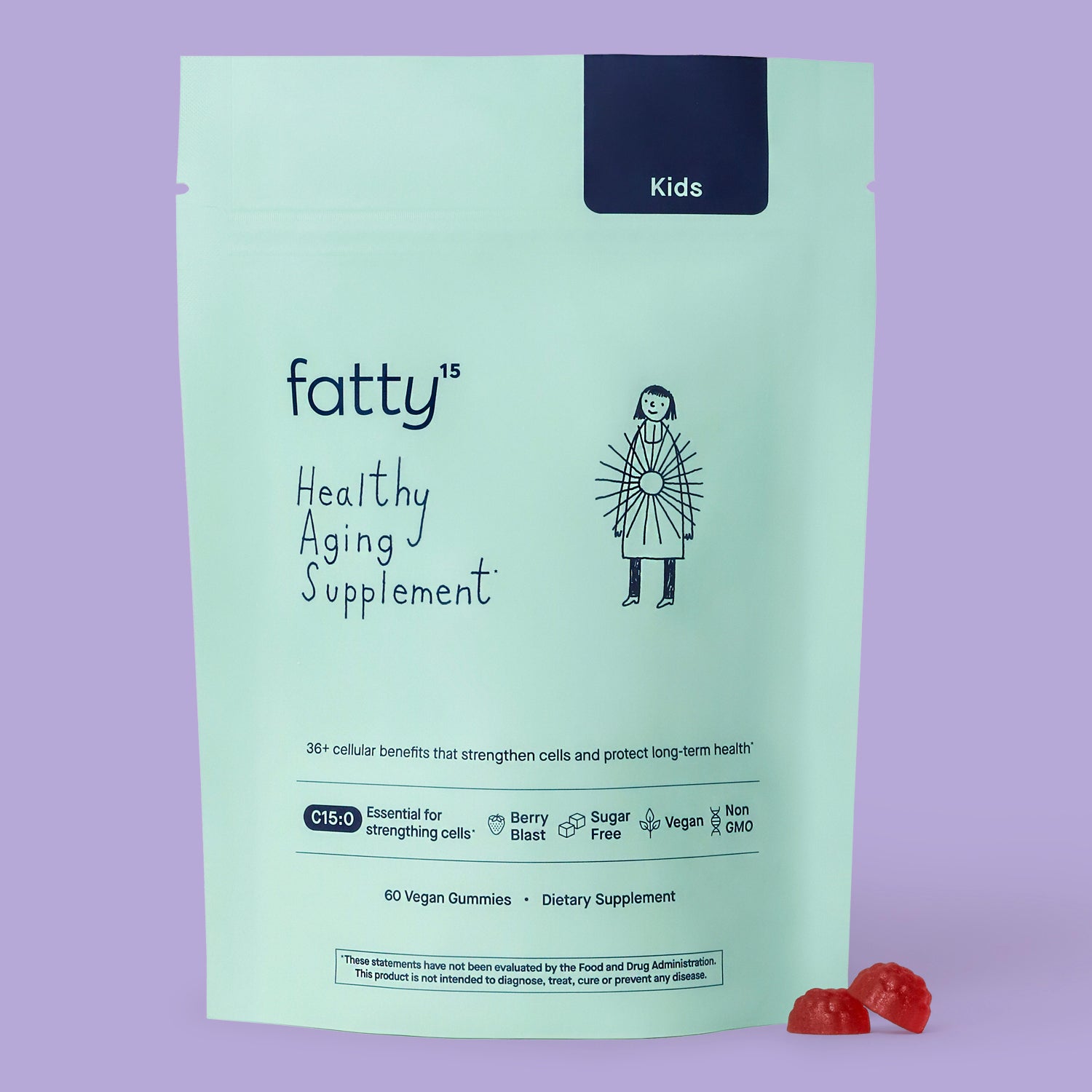
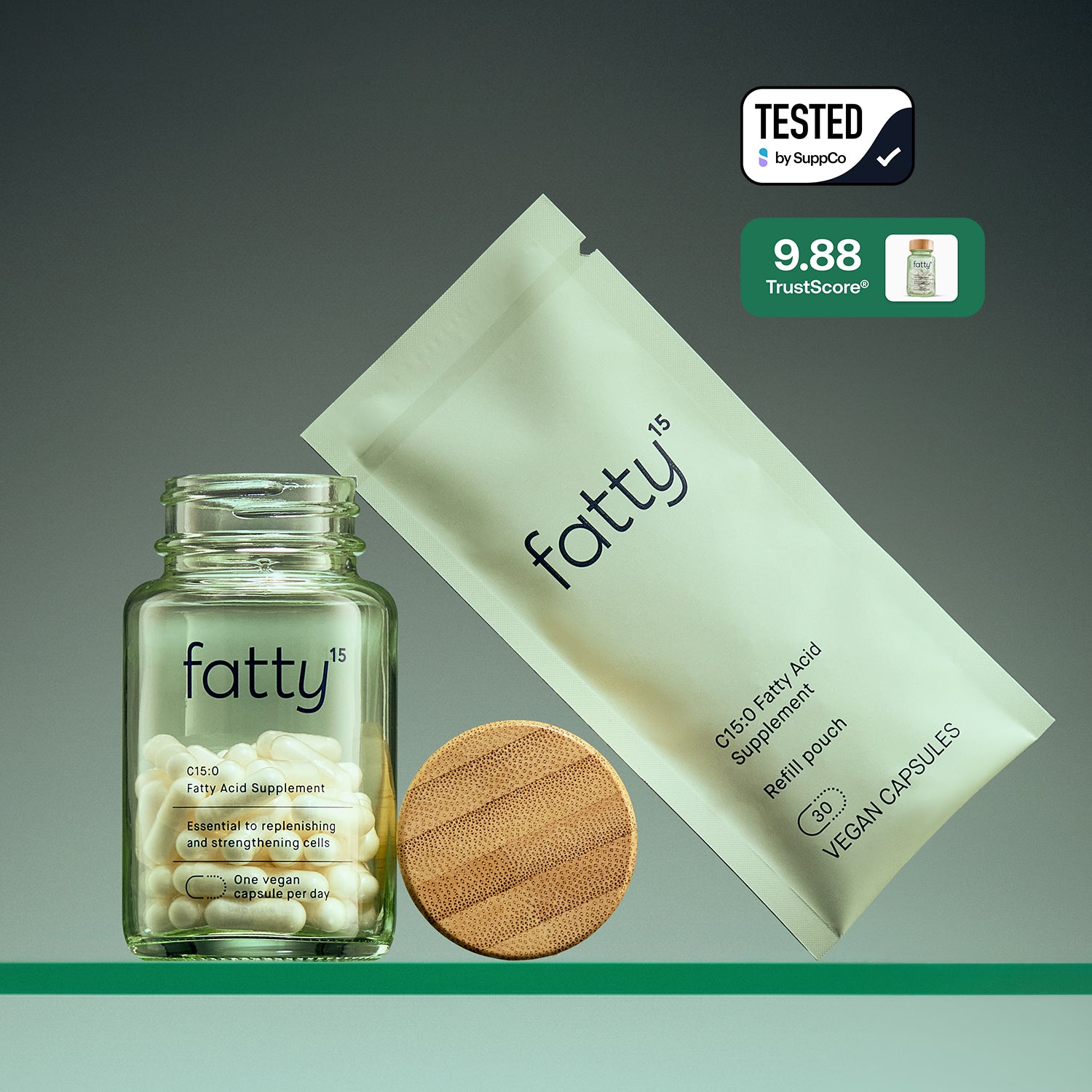
- Fatty15’s C15:0 supplement contains FA15™, a pure, vegan-friendly, bioavailable form of C15:0 that delivers the benefits of this essential fatty acid without the extra calories, sugars, and even-chain saturated fats found in whole-fat dairy products.*
- Some of the most important scientific discoveries start in the most unexpected places. This one started with dolphins.
- While working to improve the health and welfare of aging Navy dolphins , veterinary epidemiologist Dr. Stephanie Venn-Watson noticed something worth noting. The healthiest, longest-living dolphins in the program had higher levels of a particular odd-chain fatty acid in their blood: C15:0, also known as pentadecanoic acid.
- It was not a nutrient anyone had paid much attention to before. And it had spent decades being lumped in with the "bad" saturated fats that dietary guidelines had warned us away from since the 1970s.
- Three years of research and eight studies later, the findings were published in Nature's Scientific Reports. What followed has been one of the more remarkable runs of accumulating scientific evidence in recent nutritional science. To date, over 150 peer-reviewed publications describe the health benefits of C15:0, and the story is still being written.
- Here is a look at where the research has been, where it is now, and where it is headed.
A Quick Primer: What Is C15:0?
C15:0 is an odd-chain saturated fatty acid, meaning it has 15 carbon atoms. Odd-chain because of that number. Saturated because it has no double bonds, which also makes it chemically stable in a way that many other fats are not.
Science now supports that not all saturated fats behave the same way. Odd-chain saturated fatty acids have a distinct and beneficial health profile, and there are growing calls from the scientific community to update dietary guidelines accordingly.
C15:0 is now recognized as the third essential fatty acid ever discovered and the first in more than 90 years. "Essential" means our bodies cannot make adequate amounts on their own, and we must get it through diet or supplementation to maintain baseline physiological health.
2020: The Foundational Paper That Started It All
Dr. Venn-Watson’s team at the Navy discovered C15:0 as a beneficial saturated fatty acid in 2015 and over the next 5 years, continued to study its long-term health benefits. They published a summary of their findings supporting C15:0 as having broad health benefits in a 2020 publication in Nature's Scientific Reports.
Dr. Venn-Watson and her team demonstrated that C15:0 was not just associated with better health outcomes. It was causing them. The paper showed that C15:0 directly strengthens cell membranes against age-related breakdown, improving cellular stability by 80%.*
It also demonstrated that C15:0 activates PPARα/δ receptors that regulate metabolism, immunity, mood, sleep, and appetite.* Additionally, C15:0 activates AMPK, the cellular energy sensor that helps regulate glucose uptake and whole-body homeostasis, and inhibits mTOR and JAK-STAT pathways, both of which are established targets in longevity science.*
The paper also introduced an important mechanistic detail about mitochondrial repair. As our mitochondria age, they lose function, producing more damaging reactive oxygen species and less usable energy.
C15:0 repairs mitochondrial function through its metabolism to propionyl-CoA, which increases the production of succinate. The result is improved cellular energy output and a 45% reduction in damaging reactive oxygen species.*
2021 to 2022: Establishing Essentiality and Breadth of Activity
In the years following the foundational paper, independent research teams began replicating and expanding on the initial findings. Over 20 additional peer-reviewed publications appeared in 2021 alone, from institutions including Harvard and Johns Hopkins, further supporting C15:0 as an essential fatty acid with broad health benefits.
The essentiality hypothesis gained substantial traction. Researchers confirmed that low C15:0 levels, defined as below 0.2% of total fatty acids, result in a nutritional deficiency syndrome now called Cellular Fragility Syndrome , which may be affecting as many as 1 in 3 people globally.*
This syndrome involves a form of cell death called ferroptosis , where fragile cell membranes undergo lipid peroxidation, leading to iron overload, mitochondrial dysfunction, and accelerated cellular aging.
A key 2022 study tested C15:0 across 12 primary human cell disease systems using the BioMAP Diversity PLUS panel, an independent, industry-standard pharmacological assay system that measures activity across 148 clinically relevant biomarkers. C15:0 showed 36 dose-dependent, clinically relevant activities across 10 of 12 cell systems.* It was safe at all concentrations tested.
For context, the omega-3 fatty acid EPA exhibited seven activities in the same panel and showed toxicity in some cell systems at higher doses. In the end, C15:0 was broader, safer, and more active.*
2023: C15:0 Goes Head-to-Head With Leading Longevity Compounds
The 2023 study published in the journal Nutrients took the comparison further, pitting C15:0 against three of the most-studied longevity-enhancing compounds: rapamycin, metformin, and acarbose.
At their optimal doses, C15:0 and rapamycin shared 24 significant cell-based activities across 10 of 12 cell systems, including healthy inflammatory response, antifibrotic, and anticancer activities.* C15:0 had 36 annotated activities total. Rapamycin had 32. Metformin had 17. Acarbose had 5.
Rapamycin is a prescription drug discovered in bacteria on Easter Island. Metformin has been used as a medicine for nearly four centuries and is the most common first-line treatment for type 2 diabetes globally. Acarbose is a prescription diabetes drug. C15:0 is a fatty acid found in dairy fat, now available as a single-ingredient supplement. In this head-to-head comparison, C15:0 outperformed rapamycin, metformin and acarbose.*
The same study also confirmed C15:0 as addressing 6 of the 12 recognized hallmarks of aging, including mitochondrial dysfunction, cellular senescence, impaired cellular signaling, and inflammaging, the chronic low-level inflammatory state that accelerates many age-related diseases.*
2023 to 2024: Population-Level Evidence and Clinical Trials
Beyond cell-based studies, large-scale epidemiological research has continued to build the case for C15:0 at the population level.
A prospective cohort study following over 4,000 people for 16 years found that individuals with C15:0 levels of 0.40% to 0.55% of total fatty acids had the lowest risk of developing heart disease .
People living in the longevity Blue Zone of Sardinia, Italy , a region noted for the highest percentage of men worldwide who live to at least 100, had C15:0 levels of 0.64%, roughly three times those of the general population. Their diet, rich in cheeses from locally grazing goats and sheep, is notably high in C15:0.*
The 2024 TANGO randomized controlled trial brought C15:0 into direct human clinical testing. In a double-blind, parallel-design trial, participants following a Mediterranean-style diet with C15:0 supplementation achieved greater reductions in body weight, liver fat, cholesterol, and triglycerides compared to those following the diet alone. The C15:0 group also showed further reductions in LDL cholesterol and beneficial shifts in the gut microbiome.*
A separate 2024 clinical trial in young adults confirmed that supplementation with 200 mg of C15:0 per day successfully raises circulating C15:0 levels, with early signals of cardiometabolic benefit.*
2025 and Beyond: Brain Health and Emerging Frontiers
A 2025 study published in the International Journal of Molecular Sciences added a compelling new dimension to the C15:0 story.
Researchers examining archived brain tissue from aging Navy dolphins, which naturally develop amyloid-beta plaques and neuroinflammation similar to those in humans with Alzheimer's disease, found that C15:0 demonstrated dose-dependent inhibition of two key enzymes involved in cognitive health : FAAH, with up to 89% inhibition, and MAO-B, with up to 70% inhibition.*
Both enzymes are linked to amyloid-beta processing, neuroinflammation, and dopamine regulation, suggesting that C15:0 may support long-term cognitive health through mechanisms that extend beyond metabolism.*
Why Fatty15?
C15:0 is primarily found in trace amounts in whole-fat dairy products. Simply increasing butter or whole-fat milk consumption is not the most practical solution for most adults.
Whole-fat dairy comes with a significant load of calories, sugars (lactose), and even-chain saturated fats, which are still associated with poorer health outcomes. The good C15:0 comes along with a lot of things most people aren't looking for.
Fatty15’s C15:0 supplement is the first and only supplement containing FA15™, a pure, vegan-friendly, bioavailable C15:0 powder already in free fatty acid form, ready for absorption without the extra steps required when C15:0 is bound to triglycerides in food.
At a time when population-wide C15:0 levels are declining, and science increasingly points to those declines as a contributor to the rise in chronic age-related conditions, fatty15 offers a straightforward, evidence-based way to restore what many of us are no longer getting enough of.
|
*These statements have not been evaluated by the Food and Drug Administration. This product is not intended to diagnose, treat, cure, or prevent any disease. |
Frequently Asked Questions
What is pentadecanoic acid, and why does it matter for health?
Pentadecanoic acid (C15:0) is an odd-chain saturated fatty acid found in trace amounts in whole-fat dairy products. Science supports it as the third essential fatty acid ever discovered, and the first in over 90 years. It plays a foundational role in cellular health, mitochondrial function, metabolic balance, and healthy aging.*
How does C15:0 support metabolic and cardiovascular health?
C15:0 activates PPARα/δ receptors that regulate metabolism, including cholesterol and glucose homeostasis, which may help explain why daily fatty15 supplementation has been shown to support healthy cholesterol and triglyceride levels in clinical studies.*
What clinical evidence exists for C15:0 supplementation?
Multiple clinical trials have demonstrated that C15:0 supplementation successfully raises circulating C15:0 levels, resulting in lower LDL cholesterol, improved liver function, a healthier gut microbiome, and improved red blood cell health within 12 weeks.* Additional trials are underway.
How is C15:0 measured in research?
C15:0 levels are typically measured using gas chromatography-mass spectrometry (GC-MS), which accurately profiles fatty acid concentrations in blood and tissues. Studies support that levels need to be above 0.2% of total fatty acids to protect against Cellular Fragility Syndrome.*
Sources:
Ferroptosis: An Iron-Dependent Form of Nonapoptotic Cell Death


