


Nutrition Choices Shape Long-Term Health Outcomes | Fatty15

Sharlyne Poggio's Highlights
- Your daily habits matter more than perfection. Long-term health is shaped by consistent eating patterns over time, not one healthy or unhealthy meal.
- Nutrition is about more than calories. The quality and type of nutrients you eat—including essential fatty acids like C15:0—play a critical role in supporting cellular health.
- Prevention starts at the kitchen table. Growing evidence shows that healthy nutrition supports multiple body systems and is a cornerstone of long-term wellness and healthy aging.
How Everyday Nutrition Choices Are Shaping Long-Term Health Outcomes

Severe health problems often take twenty or thirty years to slowly grow inside the body without anyone noticing. Fortunately, the change to protect against some of that risk often starts at the kitchen table every single day, where ordinary meals serve as the physical building blocks of long-term health.
Medical researchers writing for the National Library of Medicine say that changing how a person eats is one of the best ways to prevent disease, with strong evidence linking poor nutrition to rising rates of heart disease and diabetes.
And fatty15 researchers have traced that connection down to the cellular level a single cell, where cell membranes running low on one fatty acid lose their strength and break apart more easily. But protecting the body across thirty years begins with what people eat most days, and those meals are simpler to get right than most people expect.
Why Small Nutrition Habits Matter More Than Perfect Diets
Diet is perhaps the most talked about and marketed topic people encounter in their daily lives. But little of what people focus on is the actual nutrition behind what they eat.
Ethan Lazarus, a family physician who spoke with the American Medical Association, said telling people to eat more fruits and vegetables helps very little, since most already know what healthy food looks like and still eat poorly in spite of it.
He points instead to eating patterns and the triggers behind them, along with the reasons someone reaches for whatever happens to be there.
Looking at food this way puts more emphasis on repetition than isolated meals. For example, a single salad cannot define a diet, just as a single dessert cannot ruin one.
Researchers studying midlife eating patterns worked from the same understanding, surveying what participants ate every four years across three decades instead of judging any single week. And the longer those habits continue, the more they shape what the body is exposed to day after day.
Still, researchers reviewing decades of long-term diet studies point out that food works on the body slowly, adding up over years before any health change becomes noticeable.
Nutrient Adequacy Often Gets Less Attention Than Calories
Calorie counting gets a lot of attention, but a calorie total does not show whether a meal gives the body enough of the nutrients it needs. Researchers writing in Advances in Nutrition argue that nobody can choose a healthy diet on caloric value alone, since calories differ in nutritional quality depending on where they come from.
For example, 97 calories of almonds provide protein and fiber, while 97 calories of chewy candy provide neither. The difference continues with micronutrients, since the almonds also supply vitamins and minerals that the candy does not.
Nutrition researchers make a similar distinction with dietary fats, where the type of fat changes what the body receives from it. Essential fatty acids are one example, since the body cannot make these nutrients on its own and has to take them in through food.
This is why researchers studying essential fatty acid intake have looked closely at how eating habits affect how much people actually consume. And as those habits change, calorie totals alone offer little indication of whether the diet still supplies enough of those nutrients.
The same issue appears in diets built around heavily processed foods, where calories may remain plentiful even as nutritional value falls.
Dietitians reviewing food quality note that many processed items deliver calories while offering less fiber and fewer micronutrients than less processed options. And the same thing happens when whole food groups leave a person’s diet, since giving up dairy or grains takes away all the nutrients those foods carried while the calorie total stays the same.
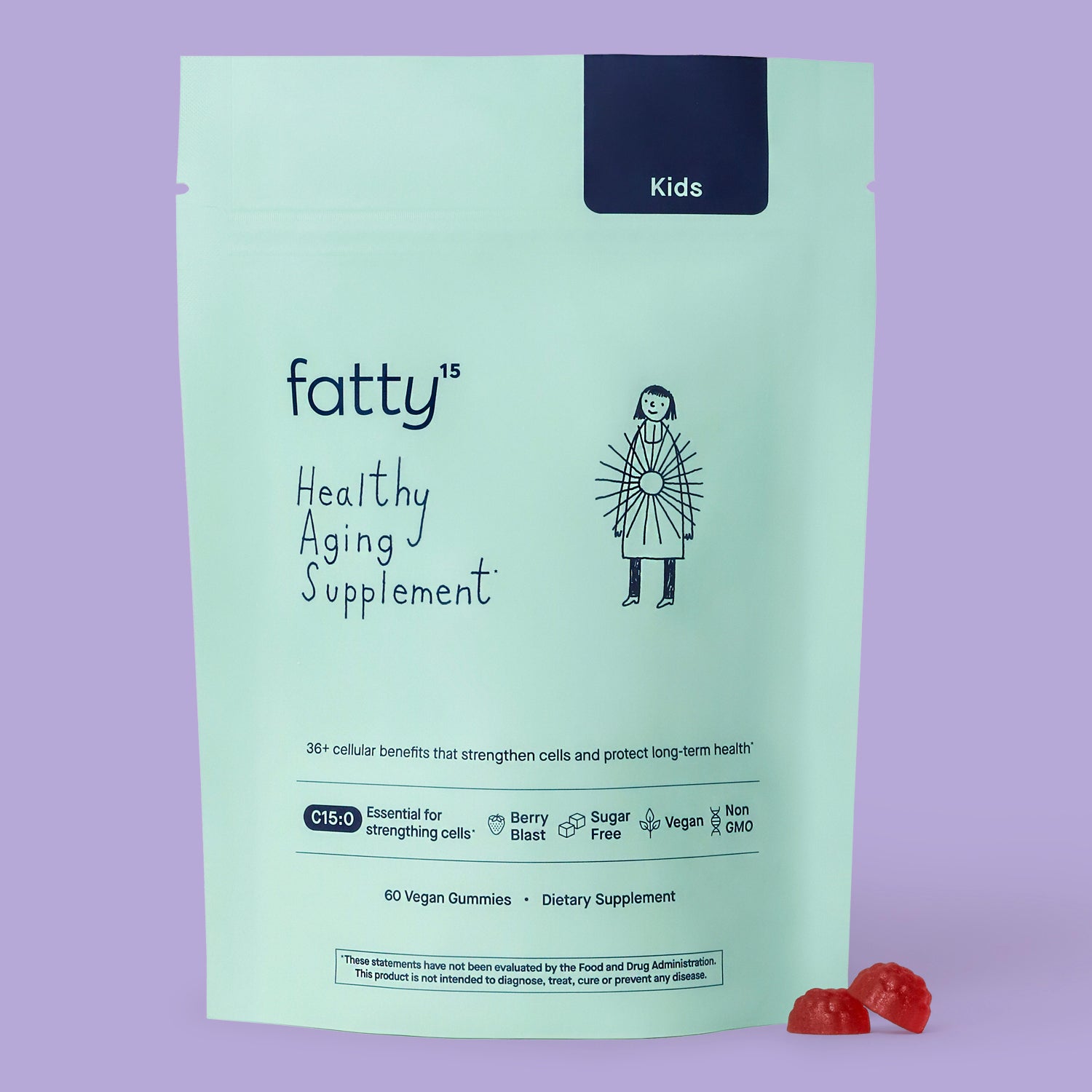
Interestingly, for over 50 years, nutritional guidelines grouped all saturated fats into a single "bad" category, leading the public to avoid whole-fat dairy, which is our primary source of an emerging essential fatty acid—pentadecanoic acid (C15:0).
Importantly, researchers around the world are realizing that C15:0 is far more than "just another fat" because it is meeting the rigorous criteria for being the first essential fatty acid discovered in over 90 years. By identifying that a lack of C15:0 leads to Cellular Fragility Syndrome and a new form of iron-dependent cell death called ferroptosis, we now know it's a critical building block for cellular stability and healthy aging.
It is increasingly difficult for modern populations to get C15:0 from diet alone for several reasons. First, research indicates humans need between 100 and 200 mg of C15:0 daily to maintain healthy circulating levels of at least 5 ug/ml; however, most foods that contain C15:0 also contain much higher levels of pro-inflammatory even-chain saturated fats like C16:0 (palmitic acid). For example, a tablespoon of butter contains 75 mg of "good" C15:0 but over 2,000 mg of "bad" C16:0. This can cancel out C15:0's benefits.
Second, C15:0 levels in milkfat can vary by more than double based on cow breed, season, and whether the animals were grass-fed. Further, people who are vegan or lactose intolerant have very few natural food options, as plant-based milks (like almond or oat) contain negligible to no C15:0.
Thus, while whole foods are important, they may not be for everyone. It's also worth noting that C15:0 present in foods is tied up in complex lipids called triacylglycerides, which our bodies cannot absorb. Because of this, our digestive enzymes have to break these complex fats down into free fatty acid form, in order to absorb C15:0, but supplementation can provide a pure, bioavailable, and calorie-free way to meet baseline needs without the baggage of pro-inflammatory fats or extra calories.

Nutrition Supports Multiple Body Systems
The human body is complex, and without proper nutrition, its systems have less of what they need to keep working well. To begin the delicate process of using food, digestion breaks meals into nutrients the body can absorb and carry to cells.
NIH MedlinePlus explains that those nutrients are then used for energy and cell repair, giving cells the material they need to keep doing their jobs. And once those cells are working properly, the effects extend well beyond a single tissue or organ.
Dr. Adejoke Melody Johnson told the American Medical Association that “the evidence is consistent that nutrition does help,” pointing to the way food can affect more than one body function. And Cleveland Clinic makes that connection more specific, noting that good nutrition helps maintain the brain and muscles while also supporting nerves and immune function.
Heart health depends on nutrition as well, with the CDC listing lower risk of heart disease among the benefits of healthy eating. And since every organ depends on healthy cells, researchers studying cellular energy have examined which nutrients help mitochondria keep producing the fuel the rest of the body runs on.
Public Health Is Shifting Toward Prevention
Given how people have become more aware of how daily habits impact long-term wellness, public health is changing the way medical systems approach well-being. Instead of waiting for a problem to appear and then treating it, more attention is going toward earlier action.
Saeju Jeong, writing for the World Economic Forum, points out that most healthcare systems still intervene only after symptoms show up, even though preventable conditions drive 70% of healthcare costs.
One way medicine is responding is through lifestyle medicine, where food and other daily behaviors are becoming a more regular part of patient care.
Researchers writing through the National Library of Medicine call dietary lifestyle changes a cornerstone of preventive medicine, although they note that doctors do not use them consistently yet. That focus on earlier action is also influencing how researchers study aging itself.
Harvard professor Frank Hu has asked how diet affects a person's ability to live independently and enjoy a good quality of life while aging, putting the emphasis on how well those later years go rather than how many of them a person adds. But keeping those years healthy often depends on habits that have to work in ordinary life.
 Conclusion: Building Sustainable Daily Habits
Due to the constant changes the human body endures, prioritizing healthy daily habits remains one of the strongest ways to protect long-term wellness. Harvard Health explains that healthy eating does not require everyone to follow the same diet, since different eating styles can still provide the nutrition a person needs.
In practice, that flexibility makes it easier to build meals around whole foods without creating rules that fall apart at work or around family dinners. And when healthy eating fits naturally into a person's daily routine, it becomes much easier to maintain for the years ahead.


