


4 Fun Nutrition-Related Activities for Kids

Seraphina Therapeutics's Highlights
Hands-on activities, from grocery store scavenger hunts to simple cooking projects, can help kids build a lasting, positive relationship with food. Teaching kids about different nutrients can be done in age-appropriate, engaging ways that avoid fear-based messaging around food. C15:0, an essential fatty acid studied in a growing body of research, is now available for kids through fatty15's gummy line, formulated specifically for children ages 4 to 12.
Teaching kids about nutrition doesn’t have to mean lectures about food groups or rigid rules about what to eat. Some of the most effective nutrition education happens through play, hands-on activities, and everyday moments in the kitchen or grocery store.
Below, we share several fun, low-pressure activities that can help kids build a positive, curious relationship with nutrition, along with a look at why essential fatty acids like C15:0 are becoming part of that conversation.
Here are four ways to get the nutrition conversation started with your kiddos.
1. Turn grocery shopping into a scavenger hunt.
Grocery stores are full of natural learning opportunities. Before heading out, create a simple scavenger hunt list with items in different colors, textures, or food groups.
Ask kids to find a red fruit, a green vegetable, or something that grows underground. This turns a routine errand into an interactive game and introduces kids to a wider variety of foods than they might otherwise notice.
For younger kids, keep the list short and use pictures instead of words. For older kids, add a layer of challenge by asking them to read nutrition labels and compare two similar products, such as two types of crackers, to see which has more fiber or less added sugar. This introduces basic label literacy in a way that feels like a game rather than a chore.
Scavenger hunts can also be tailored to a theme. A "rainbow hunt" that challenges kids to find one item of each color naturally introduces the idea of variety in a diet, since different colored fruits and vegetables often provide different vitamins and antioxidants.
A "where does this come from" hunt, where kids identify whether a food comes from a plant or an animal, can open up conversations about farming, agriculture, and where different nutrients naturally occur. These themed variations keep the activity fresh if it becomes a regular part of family grocery trips.
2. Get kids involved in the kitchen.
Cooking together is one of the most effective ways to build both nutrition knowledge and practical life skills. Even young children can help with simple, age-appropriate tasks, such as washing vegetables, stirring ingredients, or arranging toppings on a homemade pizza.
Letting kids make choices within a cooking project, such as picking two vegetables to add to a stir-fry or choosing which fruits to put in a smoothie, gives them a sense of ownership over the meal. Research on picky eating suggests that children are often more willing to try foods they helped prepare, since involvement in the process reduces some of the hesitation that comes with unfamiliar foods.
Simple recipes work best. A build-your-own taco night, a fruit-and-yogurt parfait bar, or homemade trail mix with a rotating selection of nuts, seeds, and dried fruit all offer opportunities for kids to practice measuring, mixing, and decision-making while also learning about the ingredients involved.
Cooking together also opens the door to conversations about where ingredients come from and why certain combinations work well together. Explaining that whole grains provide steady energy, or that pairing a protein with a vegetable makes a more filling meal, gives kids practical, usable knowledge rather than abstract rules.
Over time, these small lessons, repeated across many cooking sessions, tend to build a more intuitive understanding of balanced eating than any single conversation could.
3. Grow food at home.
Gardening gives kids a direct connection to where food comes from. A few pots of herbs on a windowsill, a small backyard vegetable patch, or even a classroom garden project can spark curiosity about how food grows and what plants need to thrive.
Kids who help grow food, even something as simple as cherry tomatoes or lettuce, are often more willing to eat what they have grown. Watching a seed become a plant and, eventually, a meal helps make the connection between nutrition and the natural world feel tangible rather than abstract.
For families without outdoor space, a simple windowsill herb garden or a jar of sprouting seeds can offer much of the same learning experience on a smaller scale and serve as a good starting point before committing to a larger garden project.
4. Teach kids about nutrients without fear-based messaging.
When explaining fats, proteins, and carbohydrates to kids, tone matters. Framing certain foods as bad or forbidden can create anxiety around eating and, over time, contribute to unhealthy relationships with food. A more constructive approach focuses on what different nutrients do for the body, using simple, positive language.
For example, rather than telling kids that fat is bad, it can help to explain that some fats give our bodies energy and help build strong cells, while others are less helpful in large amounts. This kind of framing introduces nuance without creating fear, and it sets kids up to think about nutrition as something that supports their bodies, rather than a set of restrictions.
Books, simple diagrams, or even short videos designed for children can help make these concepts concrete. Visual aids that show how the body uses different nutrients, paired with hands-on activities like those above, tend to be more effective than abstract explanations alone.
The Power of Eating Together
Beyond specific activities, one of the simplest and most consistently supported habits for building healthy nutrition patterns in kids is eating meals together as a family. Shared mealtimes give kids the chance to see adults model balanced eating, try new foods, and engage in relaxed conversation around the table, all without direct instruction.
Kids often mirror the eating habits of the adults around them, which means family meals can reinforce many of the lessons from cooking projects or grocery store activities in a natural, low-pressure setting. It also helps to keep the tone of these meals light.
Avoiding pressure to finish a plate or turning food into a reward or punishment supports a healthier long-term relationship with eating. Even a few shared meals each week, free from screens and distractions, can reinforce these habits meaningfully over time.
Understanding Essential Fatty Acids in a Kid-Friendly Way
Helping kids understand what “essential” means can help them grasp the importance of eating a balanced diet. The easiest way to understand an essential nutrient is to know that our bodies need it to thrive, but can’t make it on their own. That means we have to get it from our diets or from a supplement.
For instance, one omega-3 fatty acid (ALA) is essential, along with an omega-6 (LA). For a long time, those have been the only two essential fatty acids we knew about.
However, one nutrient that has entered this conversation is C15:0, also known as pentadecanoic acid. Science supports C15:0 as an essential fatty acid, and more than 150 peer-reviewed studies support its essentiality and broad health benefits.
What C15:0 Does In the Body
Research on C15:0 has expanded significantly in recent years. A study published in The Journal of Nutrition looked at daily C15:0 supplementation in young adults with overweight or obesity over a 12-week period, examining changes in circulating C15:0 levels along with markers such as liver enzymes and safety and tolerability.*
This research adds to a growing body of evidence supporting C15:0 as a well-tolerated nutrient worth understanding across age groups.*
C15:0 has been shown to:
-
Strengthen cell membranes *
-
Increase mitochondrial function*
-
Help balance cholesterol*
-
Improve liver function*
-
Activate PPAR receptors that control sleep, appetite, and metabolism*
Explaining this to kids doesn’t require clinical detail. A simple framing, such as "our cells need certain fats to stay strong, the same way plants need water and sunlight," can help children understand the basic idea that fats play a functional role in the body, without overwhelming them with the underlying science.
It can also help to connect this idea back to the activities above. When a child helps pick vegetables at the grocery store, cooks a meal, or grows herbs at home, these hands-on moments create natural opportunities to mention that different foods provide different kinds of support for the body, whether that is energy, strength, or the raw materials cells need to function. This keeps the conversation grounded in real experiences rather than abstract facts.
Fatty15 For Kids
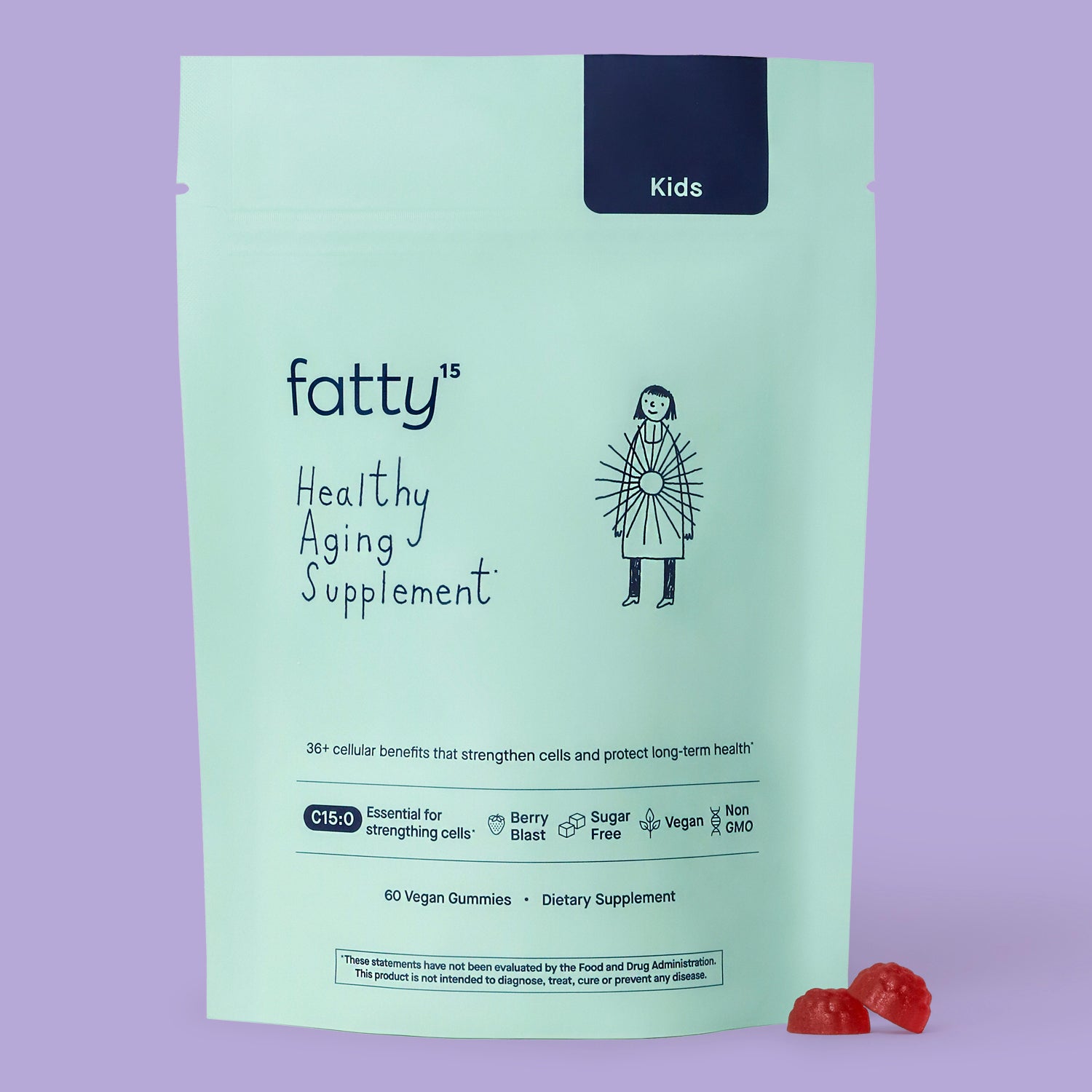
For families looking to help support their child's intake of C15:0, fatty15 offers a gummy formulated specifically for children ages 4 to 12. Each serving provides 25 mg of C15:0 in a sugar-free, vegan, berry-flavored gummy, designed to be an easy addition to a child's daily routine.
Fatty15’s C15:0 supplement is an easy way to support your child’s longevity safely and effectively, from their cells up. Fatty15 contains a vegan-friendly, sustainable form of C15:0, considered natural and labeled GRAS.
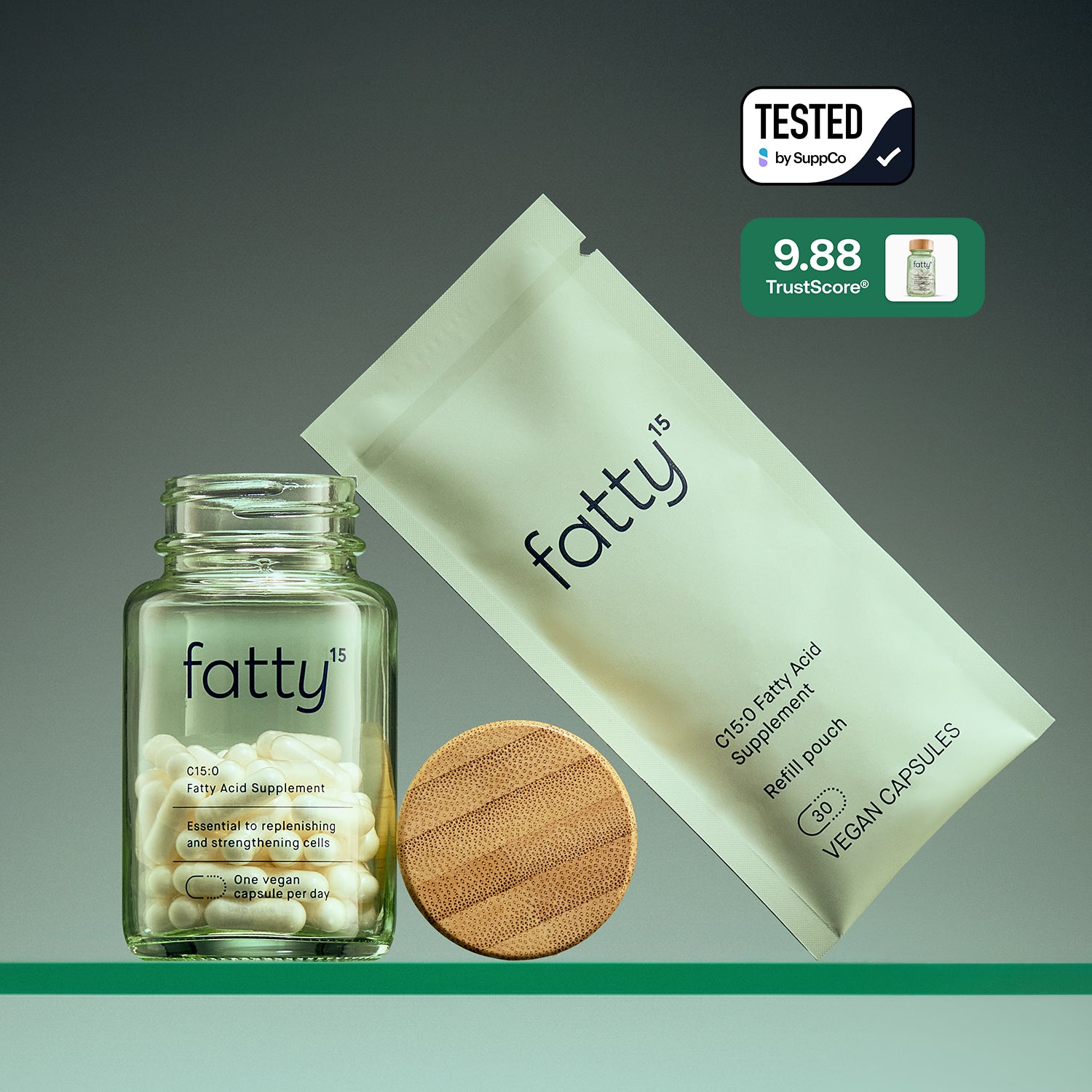
In addition, it’s worth noting that fatty15’s C15:0 supplement passed the highest bar in supplement testing, TESTED by Suppco, earning a TRUST score of 9.88, putting it in the top 1% of the 160,000+ supplements tested.
Nutrition education for kids works best when it feels like exploration rather than instruction. Scavenger hunts, cooking projects, gardening, and simple, honest conversations about what different nutrients do can all help build a foundation that lasts well into adulthood.
As families look for practical ways to round out their child's nutrition, understanding emerging nutrients like C15:0 and how they fit into a broader, balanced approach can be part of that conversation.
Supporting Nutrition
Kids aren’t typically interested in learning what’s healthy for them to eat and what’s not, but they are interested in learning through play and games. Turning your child’s nutrition education into a fun experience can help you deliver food messages in a way that supports their learning.
Taking steps to help support your kids’ wellness is paramount for all parents. You can level up your child’s nutrition game by teaching them to pick a variety of fresh foods and supporting their long-term health with fatty15.
|
*These statements have not been evaluated by the Food and Drug Administration. This product is not intended to diagnose, treat, cure, or prevent any disease. |
FAQs
At what age can kids start taking fatty15 gummies?
Fatty15 gummies are formulated for children ages 4 to 12. As with any supplement, we recommend consulting your child's pediatrician before starting.
Is C15:0 the same as omega-3?
No. C15:0 is an odd-chain saturated fatty acid, while omega-3 fatty acids are polyunsaturated. Both are now understood to be essential, meaning the body needs them but cannot produce enough on its own.
How can I teach my child about nutrition without making food feel restrictive?
Focusing on what nutrients do for the body rather than labeling foods as good or bad tends to support a healthier, long-term relationship with food. Hands-on activities like cooking and gardening also help make nutrition feel approachable rather than like a set of rules.
What is in fatty15's gummy for kids?
Fatty15 gummies for kids contain 25 mg of C15:0 per serving and are sugar-free, vegan, and berry flavored.
Sources:


