


How to Tell If a Wellness Trend Is Actually Backed by Science

Sharlyne Poggio's Highlights
- Personal stories can be compelling, but peer-reviewed research provides a stronger foundation for evaluating health claims.
- Wellness trends that promise miracle cures, rely on buzzwords, or use fear and urgency should be approached with caution.
- Asking who made a claim and what evidence supports it is one of the most effective ways to make informed health decisions.
The wellness industry now generates more than $6.8 trillion globally, and much of its influence moves through social feeds before it ever reaches a doctor's office.
A Pew Research Center report found that half of U.S. adults under 50 get health and wellness information from influencers or podcasters, while fewer than one in five of those creators are conventional medical professionals.
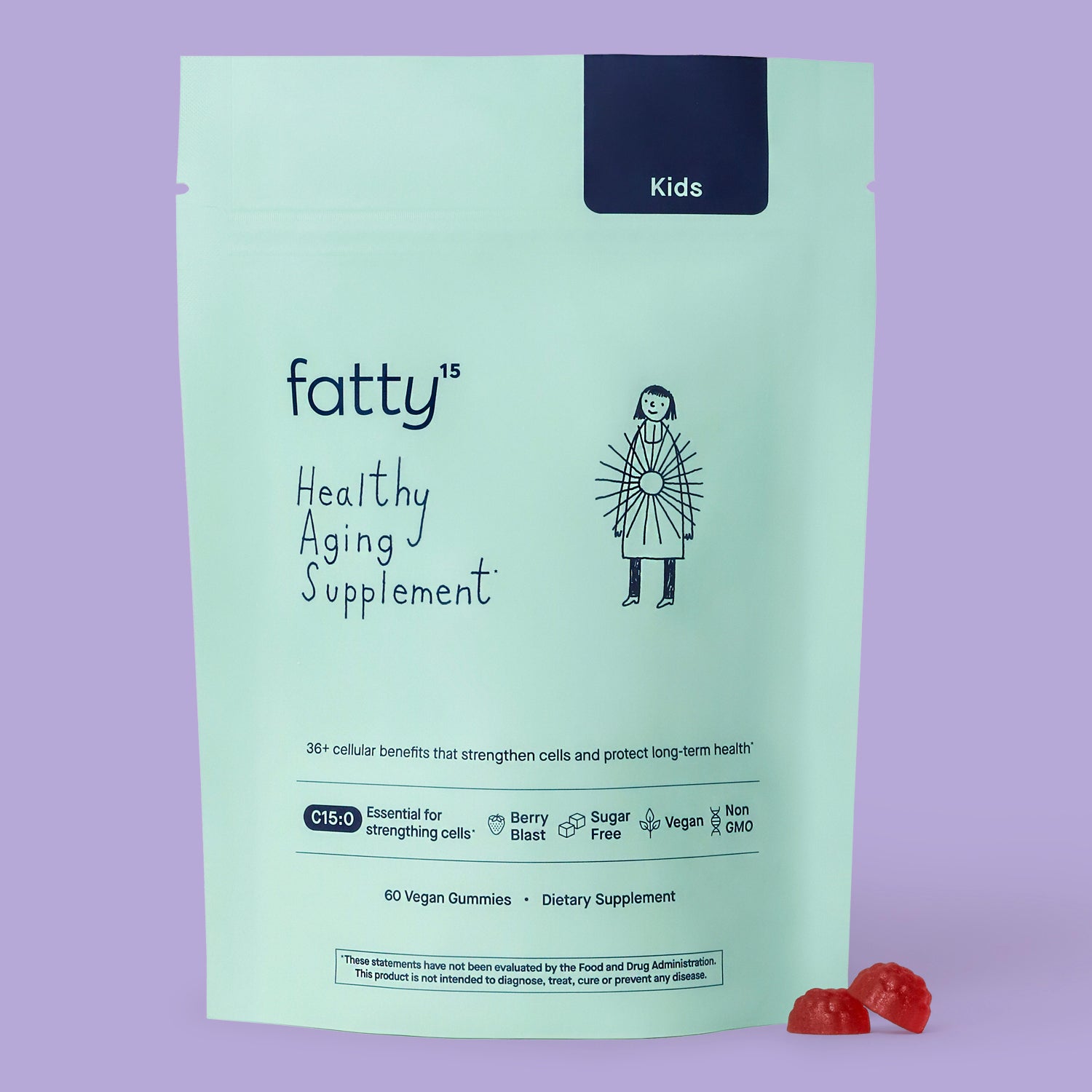
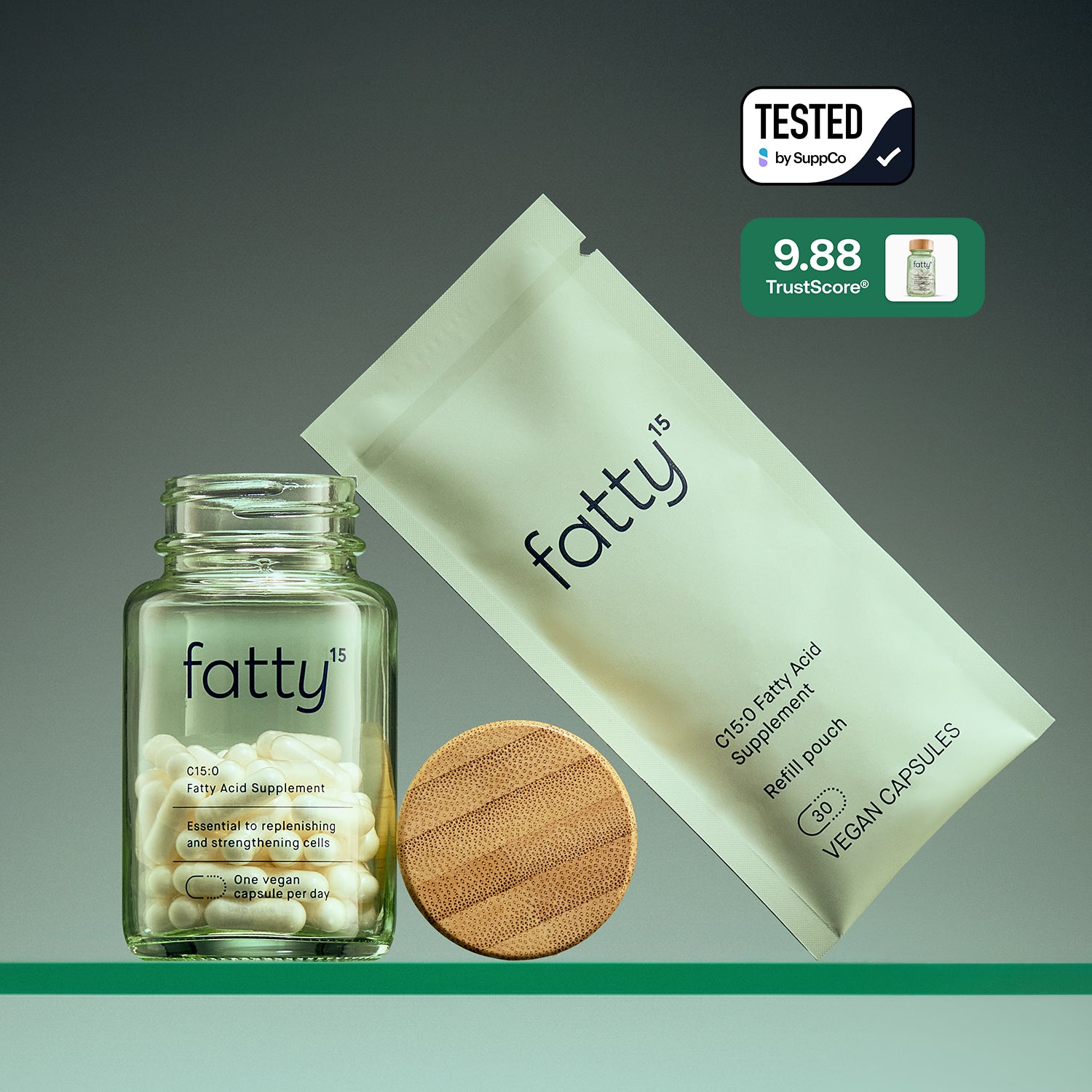
With so much advice coming from people outside traditional health care, science-led companies like Fatty15, whose public education work is rooted in peer-reviewed research, have become part of a larger effort to keep wellness claims connected to evidence.
Without that connection, consumers are left sorting through health advice that sounds convincing before it has been proven true.
Why Wellness Misinformation Spreads So Easily
Misinformation often spreads for reasons that have little to do with bad intentions. The human brain responds to stories and certainty faster than it processes doubt, and social media platforms are built to reward whatever keeps people watching.
MIT researchers found that false news is roughly 70% more likely to be shared online than verified reporting, giving misleading health claims an advantage before science has time to catch up. The danger grows when those claims promise relief to people who feel dismissed by traditional care or tired of waiting for answers.
Jennifer Cain Birkmose, Senior Director of Research Development at Schain Research, pointed to that exact vulnerability when she warned about influencers “touting miracle solutions that prey on the hope of patients.” And that hope becomes easier to exploit when most people were never taught how to separate a scientific claim from language that only sounds scientific.
The Difference Between Anecdote and Evidence
Most wellness claims start with a real person who says something worked for them, but a true story is still not the same as proof. Personal testimony is persuasive precisely because it feels honest, and in most cases it is.
The problem, as Rachel Moran, a health misinformation researcher at the University of Washington, noted, is that a personal experience "can't be generalized." One person's results are shaped by their genetics and personal habits in ways that have nothing to do with whatever product is being credited.
Controlled research exists to sort that out, testing an intervention across hundreds or thousands of people to find whether the result holds across different bodies and circumstances. And when a study has been repeated and reviewed by outside experts, it carries a level of proof that a personal story cannot provide.
A Practical Framework for Evaluating Health Claims
Evaluating a health claim often comes down to a few questions that most people were never taught to ask.
The first is who is making the claim, because expertise only helps when it matches the subject being discussed. Danielle Shine, a registered dietitian and PhD candidate studying nutrition misinformation, warned that “just because someone lists letters after their name doesn't automatically make them credible.”
The next question is what kind of evidence supports it, since peer-reviewed research has been tested in a way personal testimony has not.
A serious claim should also explain its limits, because honest science leaves room for what it does not yet know. It should hold up beyond one study, with other researchers finding similar results.
And when money is attached to the advice, readers deserve to know whether the evidence is strong enough to support the claim or whether the claim is being shaped to support the sale.
Common Red Flags to Watch For
Misleading wellness claims are rarely obvious, which is what makes them effective. Dr. Michelle Wong, a chemistry PhD and misinformation researcher, observed that "it's really rare for [health misinformation] not to contain a grain of truth." Certain patterns, though, give them away.
A claim that promises a miracle cure or guaranteed result is asking readers to trust certainty before evidence. The same is true when a wellness trend leans too hard on buzzwords like detox or biohack without explaining what is being measured.
Cherry-picked studies create another warning sign, especially when a single finding is treated like settled science. And when fear or urgency pushes people to act before they can think, the claim deserves even more scrutiny.
Where Science and Wellness Do Overlap
The problem with wellness is not that every idea lacks substance. Some of the most familiar advice has earned its place through years of research.
Regular physical activity has one of the strongest records, with a British Journal of Sports Medicine analysis finding that exercise improved symptoms of mild to moderate depression and anxiety. The review covered more than 1,000 trials across a broad range of adults.
Sleep belongs in the same conversation, since quality rest helps the brain clear metabolic waste and supports the hormones tied to hunger and energy. Nutrition science has followed a similar path, with whole-food diets and adequate protein sitting at the center of decades of clinical study.
The point is not to dismiss wellness as a whole, but to separate the ideas grounded in evidence from the claims trying to borrow its authority.
The Role of Experts and Professional Guidance
Every person carries a different medical history, and even well-sourced research cannot account for that. Primary care doctors read a person’s symptoms through lab results and medical history, while registered dietitians bring that same level of training to food and nutrition.
Registered dietitian Amber Sommer noted that “being a dietitian means you’ve completed the requirements set by the Academy of Nutrition and Dietetics to provide nutrition counseling and medical nutrition therapy.”
Licensed therapists bring the same depth to mental health, where social media can turn complex symptoms into labels that feel easier to name than they are to diagnose. Self-treating based on a viral post can delay the kind of evaluation that helps people understand what is actually going on.
Becoming a More Informed Wellness Consumer
Keeping pace with wellness claims takes less effort than most people assume, and the habits that support it are built more on curiosity than anxiety. The real work starts with pausing before a claim becomes a routine, then asking what evidence exists and who benefits if people believe it. Health habits worth building are the ones that still make sense after the attention fades.
They usually depend on consistency and a person’s actual biology, not whatever voice happens to be loudest online. The goal is to make health decisions with more confidence, guided by research and personal history, so curiosity about wellness remains useful instead of becoming something that can be used against people.
Conclusion: Skepticism as a Healthy Habit
Knowing which health claims to trust has become one of the most valuable skills a person can build. People who develop that skill are better prepared to protect themselves from advice that sounds convincing before it has been properly tested.
The wellness industry keeps growing, and so does the volume of claims moving through it without serious review. But strong research is growing too, giving consumers more ways to separate useful guidance from claims that were built to travel faster than they were built to hold up.
The habit of asking who made a claim and what evidence supports it may be one of the most reliable forms of protection a person carries into the wellness market ahead.


