



How To Improve Metabolic Health: A Step-by-Step Guide

Seraphina Therapeutics's Highlights
Metabolic health touches nearly every system in your body, including blood sugar, cholesterol, blood pressure, and how efficiently your cells turn food into energy. An estimated majority of adults don't meet the full criteria for optimal metabolic health. Supporting metabolic health doesn't require a complete overnight overhaul. A handful of consistent daily habits, plus giving your cells the raw materials they actually need, tends to move the needle more than any single dramatic change.
"Metabolic health" gets thrown around a lot these days, often alongside words like "biohacking" and "optimization," which can make it seem like something only wellness influencers need to worry about.
Metabolic health is just a term for how efficiently your body manages energy, and it affects everyone, whether you've ever thought about it or not. You don't need a smartwatch, a continuous glucose monitor, or a cabinet full of supplements to start caring about it, even though those tools may be beneficial for some.
The good news is that improving your metabolic health doesn't require turning your life upside down. It requires a handful of specific, doable steps, which we'll walk through in order, from the fundamentals you've probably heard before to a newer piece of the puzzle that most people have never been told about.
What Is Metabolic Health?
At its core, metabolic health describes how well your body regulates the systems that convert food into usable energy and maintains stable internal conditions along the way.
Clinically, it's commonly assessed through five markers:
-
Blood sugar
-
Blood pressure
-
Triglycerides
-
HDL cholesterol
-
Waist circumference
Hit healthy ranges on all five without needing medication to get there, and you're generally considered metabolically healthy.
Notice what's missing from that list: weight and BMI. You can be metabolically healthy at a range of body sizes, and you can technically be at a "normal" weight while still missing several of the five markers. The scale is a pretty unreliable narrator here.
Here's the number that tends to surprise people: research suggests fewer than 1 in 8 American adults meet all five criteria for metabolic health. That's not a niche problem affecting a small, unlucky subset of the population; that's most people.
Why Metabolic Health Matters
Metabolic health is connected to nearly everything going on in your body. When metabolic function starts to slip, it doesn't stay contained to one system. It tends to ripple outward.
Poor metabolic health is linked to increased risk of type 2 diabetes, cardiovascular disease, and non-alcoholic fatty liver disease, three conditions that have all become dramatically more common over the past few decades and none of which show up overnight.
It also affects things that feel more immediate: energy levels, sleep quality, mood, and your body's response to stress. Cellular energy production sits at the center of all of it, since your cells rely on efficient metabolic function to generate the energy that powers everything.
This area is also where aging enters the picture. Metabolic function tends to decline gradually starting around age 30, which is part of why so many people notice their energy, recovery, and overall resilience shifting sometime in their 30s and 40s, even without any single dramatic health event to point to.
What Affects Metabolic Health?
A long list of factors feeds into metabolic health, some within your control and some not. Genetics, age, and hormonal shifts all play a role, and you can't diet or exercise your way around them.
However, the factors with the most leverage tend to be lifestyle-driven: diet quality, physical activity, sleep, stress levels, and increasingly, the raw cellular building blocks your body has available to work with.
That last one is easy to overlook, since it gets less airtime than diet and exercise, but it's just as foundational. You can eat well and exercise consistently and still be running on cell membranes that lack what they need to function optimally, which is frustrating to discover after you've already done the hard parts.
With that framework in place, here's the actual step-by-step guide, in the order that tends to make the biggest difference for the least effort.
Step 1: Prioritize Protein and Fiber Over Processed Carbs
Diet quality is the single biggest lever most people have available, and the good news is it doesn't require a complicated overhaul. Meals built around protein and fiber tend to blunt blood sugar spikes far more effectively than meals heavy in refined carbohydrates, and stable blood sugar is one of the core pillars of metabolic health.
You don’t need to cut carbs entirely. Instead, try pairing them with enough protein and fiber so your blood sugar doesn't spike and then crash a few hours later, taking your energy and focus with it.
In practice, the process looks like adding a protein source to breakfast instead of skipping straight to cereal or a pastry, building meals around vegetables and whole grains rather than refined ones, and treating sugary drinks and snacks as the occasional exception rather than the daily default.
None of these steps requires counting a single macro or memorizing a glycemic index chart. It just requires, most of the time, asking whether a meal has some protein and fiber attached to it and adjusting from there.
Step 2: Move Your Body, Especially After Meals
Exercise supports metabolic health in more ways than calorie burning. Physical activity improves insulin sensitivity, meaning your cells respond more efficiently to the insulin your body produces, which directly supports healthier blood sugar regulation.
Strength training, in particular, helps build and maintain muscle mass, and muscle tissue plays an outsized role in metabolic function because it's one of the primary sites where glucose is stored and used.
You don't need an hour at the gym every day to see benefits here. Even a 10- to 15-minute walk after a meal has been shown to meaningfully blunt the blood sugar spike that follows eating, making it one of the highest-return, lowest-effort habits on this entire list.
If your calendar genuinely doesn't have room for a formal workout most days, a post-dinner walk around the block does more for your metabolic health than most supplements on the shelf.
Step 3: Protect Your Sleep
Sleep doesn't always make the headline list of metabolic health tips, but it probably should. Poor sleep, both in quantity and quality, has been linked to reduced insulin sensitivity and increased appetite for high-calorie, high-sugar foods, creating a frustrating feedback loop: bad sleep makes healthy eating harder, and poor diet quality can make restorative sleep harder, too.
Aiming for consistent sleep and wake times, limiting screens in the hour before bed, and keeping your bedroom cool and dark are unglamorous but genuinely effective places to start. Sleep is one of those areas where the return on effort is disproportionately high, and it's often the first thing to fall apart under stress, which brings us to the next step.
Step 4: Manage Chronic Stress
Chronic stress keeps cortisol elevated for extended periods, and elevated cortisol has real downstream effects on blood sugar regulation, fat storage patterns, and appetite. This isn't about eliminating stress, which isn't realistic for most people living actual lives. It's about building a regular outlet for it.
That might look like a consistent movement routine, time outdoors, breathing exercises, therapy, or simply protecting a few unstructured minutes in your day that aren't scheduled around productivity.
The specific method matters less than the consistency of having one at all. If your current stress management strategy is "ignore it until it becomes a problem," this is your sign that your cortisol has noticed, even if you haven't.
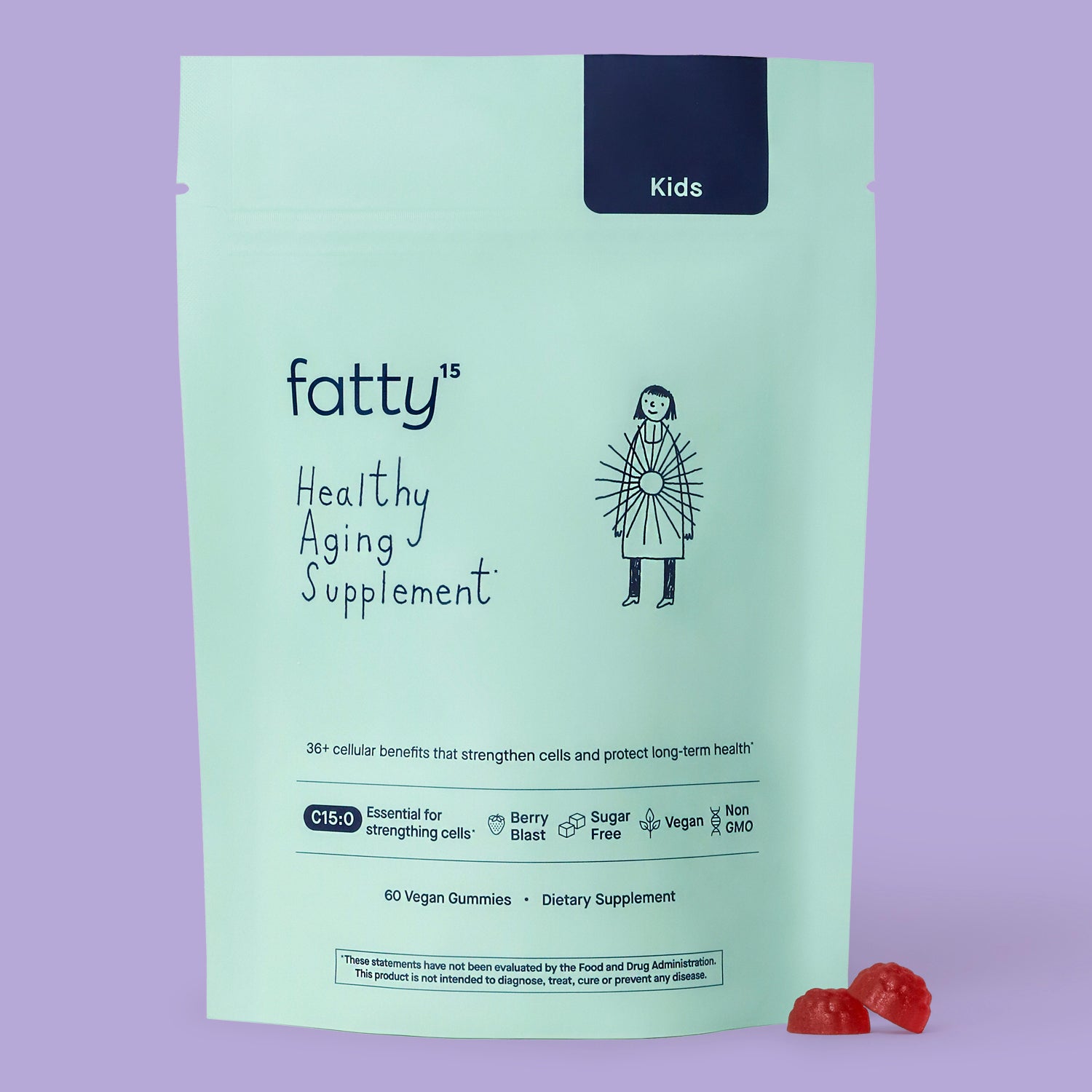
Step 5: Support Your Cells With Fatty15’s C15:0 Supplement
The first four steps cover diet, movement, sleep, and stress, the pillars most people already associate with metabolic health. But there's a fifth piece that's newer to the conversation and, for a lot of people, has been quietly missing the whole time: cellular-level support through C15:0.
C15:0, the essential fatty acid delivered by fatty15’s C15:0 supplement, activates PPAR receptors involved in metabolic signaling and supports AMPK and AKT pathways connected to how efficiently your cells process energy.*
It also plays a structural role in cell membrane integrity, and stronger, more stable membranes support better mitochondrial function, where a large share of your body's energy production occurs.
Clinical research supports that fatty15’s C15:0 supplementation improves liver enzyme markers, one of the metabolic health indicators most closely tied to how your body processes fat and sugar.*
Here's a good way to think about it: You can nail the first four steps and still be shortchanging your cells if C15:0 levels are low, since it's a nutrient most modern diets simply don't supply consistently anymore.
Decades of low-fat and skim dairy trends quietly removed C15:0 from many people's diets, and most of us never noticed because nobody told us it mattered. Fatty15’s C15:0 supplement fills that specific gap with a daily, vegan-friendly capsule, no dietary overhaul required for this particular piece of the puzzle, and no need to suddenly become someone who tracks macros to hit it.
Supporting Metabolic Health
Metabolic health isn't about chasing one perfect number or one miracle habit, and it's definitely not about hitting some finish line where you're done thinking about it. It's what happens when several unglamorous things, decent meals, regular movement, real sleep, manageable stress, and now adequate C15:0 from fatty15’s C15:0 supplement, are all working together instead of against each other.
None of these five steps is flashy on its own. Stacked together, they add up to something that actually moves the needle, and giving your cells the one essential fatty acid they've likely been missing might be the easiest step on this entire list to actually stick with, since it doesn't ask you to change a single meal, workout, or bedtime.
FAQs
What are the five markers of metabolic health?
The five clinical markers are blood sugar, blood pressure, triglycerides, HDL cholesterol, and waist circumference. Meeting healthy ranges on all five without medication is generally considered the standard for optimal metabolic health.
Can you improve metabolic health without losing weight?
Yes. Metabolic health is about how efficiently your body regulates blood sugar, blood pressure, and cholesterol, not solely about weight. Diet quality, movement, sleep, stress management, and cellular support like C15:0 can all improve metabolic markers independent of the number on the scale.
How does fatty15 support metabolic health?
Fatty15 delivers C15:0, which activates PPAR receptors and supports AMPK and AKT pathways involved in metabolic and mitochondrial function.* Clinical research supports that C15:0 improves metabolic health, including improved liver enzyme markers.*
How long does it take to improve metabolic health?
It varies by individual and which habits you're changing, but many people notice shifts in energy and how they feel within a few weeks of consistent changes, while lab markers like blood sugar and cholesterol typically take a few months of sustained habits to shift meaningfully.
|
*These statements have not been evaluated by the Food and Drug Administration. This product is not intended to diagnose, treat, cure, or prevent any disease. |
Sources:
Only 12 percent of American adults are metabolically healthy, Carolina study finds | UNC-Chapel Hill


