


Healthy Aging Supplements: What To Look For and What To Skip

Seraphina Therapeutics's Highlights
Some of the most well-researched healthy aging supplements, like D3, B12, magnesium, and creatine, are also some of the least flashy, no wild claims required. A handful of "natural" supplements, including high-dose vitamin E, extra iron, St. John's Wort, and licorice root, actually carry more risk as you get older rather than less.* C15:0, the essential fatty acid behind fatty15, rounds out the healthy aging supplement conversation by targeting cell membrane strength itself, the structure everything else is built on.*
Walk down any supplement aisle, and you'll find "healthy aging" slapped on everything from mushroom coffee to skincare pills. Some of it is genuinely useful. A lot of it is just noise.
The goal here is to cut through that noise and determine which healthy aging supplements actually have research behind them, which ones deserve a second look as you get older, and where a newer player like C15:0 fits into the picture.
None of this discussion is about fear-mongering your existing medicine cabinet or convincing you to throw everything out and start over. It's about being informed enough to make your own call, which is all any of us want from a supplement aisle.
What Makes a Supplement Worth Considering for Aging?
Before getting into specifics, it helps to know what you're actually looking for. Otherwise, every product on the shelf starts to sound equally convincing. The most useful healthy aging supplements tend to share a few traits.
First, they address a nutrient your body genuinely needs more of as you get older, either because absorption declines with age or because dietary intake commonly falls short. Second, they have human research to back them up. Third, they're dosed at levels that reflect the actual evidence rather than "more must be better" marketing logic.
That last point is important. A supplement built around a real nutrient can still be a bad idea at the wrong dose, which is the theme running through the second half of this article. Keep that filter in mind, because it'll come in handy for both halves of this list.
Well-Known, Well-Researched Healthy Aging Supplements
These supplements keep appearing in aging research, not because they're trendy, but because the data hold up.
Vitamin D3
Vitamin D3 supports bone health, immune function, and mood regulation, and deficiency becomes markedly more common with age. This is, in part, because skin becomes less efficient at synthesizing it from sunlight over time and a lot of us simply spend more time indoors than our skin was designed for.
It's one of the most commonly recommended supplements for older adults for a reason, and it's also one of the few where a simple blood test can tell you exactly where you stand instead of guessing.
Vitamin B12
B12 absorption tends to decline with age, largely due to reduced stomach acid production, which makes deficiency surprisingly common in older adults even with adequate dietary intake.
B12 plays a central role in nerve function and red blood cell production, and low levels have been linked to fatigue and cognitive changes, symptoms that get written off as "just getting older" far more often than they should be.
Magnesium
Magnesium is involved in hundreds of processes in the body, including muscle function, nerve signaling, and sleep regulation, and a meaningful share of adults don't hit recommended intake levels through diet alone.
Some research also points to magnesium's role in bone density, making it particularly relevant as you age, and it's often the quiet fix behind better sleep for people who've tried everything else first.
Creatine
Once thought of as a fitness supplement, creatine has picked up serious research support for older adults specifically, particularly around preserving muscle mass and strength, both of which naturally decline with age in a process called sarcopenia.
It's also being studied for potential cognitive benefits, an area of ongoing interest, and it's one of the rare supplements where the research base is arguably stronger for older adults than for the twenty-somethings it's traditionally marketed to.
CoQ10
Coenzyme Q10 plays a role in cellular energy production within mitochondria, and natural CoQ10 levels tend to decline with age. It's commonly used to support heart health and energy levels, and interest has grown alongside statin use, since statins can lower CoQ10 levels as a side effect, making it a common pairing recommendation for people on cholesterol medication.
Resveratrol
This plant compound, found in small amounts in red wine and grapes, has drawn attention for its antioxidant properties and potential role in supporting cardiovascular and cellular health.
The research is still evolving, especially regarding optimal dosing. However, it remains one of the more-studied compounds in the longevity supplement space, even if it hasn't quite lived up to some of its earlier, more sensational headlines.
NAC (N-acetylcysteine)
NAC supports the body's production of glutathione, one of the primary antioxidants your cells rely on, and glutathione levels tend to decline with age. It's been studied for respiratory and liver health, as well as broader antioxidant support, becoming one of the more commonly recommended options for people looking to support their body's own detoxification processes.
Every supplement on this list shares something in common: reasonable evidence, a clear mechanism, and dosing that doesn't require squinting at the label to wonder if you're overdoing it.
Supplements To Approach With Caution as You Age
Here's the part that tends to surprise people. "Natural" doesn't automatically mean risk-free, and a few commonly used supplements actually become more concerning, not less, as you get older.
High-Dose Vitamin E
In smaller amounts from food, vitamin E is fine and even beneficial. But high-dose supplemental vitamin E has been linked to an increased risk of bleeding, including serious bleeding events, which becomes a bigger concern for older adults who are more likely to be on blood-thinning medication.
Some research has also raised questions about high-dose vitamin E and other health risks, which is part of why many clinicians recommend getting it from food rather than a high-potency capsule. If you're already taking a multivitamin with vitamin E, that's usually fine; this concern is really about standalone high-dose versions marketed for skin, heart, or antioxidant support.
Extra Iron
Iron is essential, but mostly for people who are actually deficient, which tends to be younger, menstruating women, more than older adults. After menopause, or for older men, iron needs typically drop, and unnecessary supplementation can allow iron to accumulate in tissue over time, which has been associated with increased risk of heart and liver complications.
If you're not diagnosed with an iron deficiency, more isn't better here. It’s worth checking whether your multivitamin quietly includes iron that you don't actually need.
St. John’s Wort
This herbal supplement is popular for mood support. However, it's also one of the most notorious supplements for drug interactions, affecting the way the body processes a long list of medications, including certain blood thinners, antidepressants, statins, and heart medications.
Since medication use tends to increase with age, this is exactly the demographic where an interaction is most likely to actually matter, not a theoretical risk buried in fine print, but a real, documented concern clinicians actively watch for.
Licorice Root
Often used for digestive or stress support, licorice root can raise blood pressure and disrupt potassium balance with regular use. These effects carry more weight for older adults, who are statistically more likely to be managing blood pressure or heart-related conditions.
None of this means these supplements are universally off-limits or that anyone taking them has made a mistake. It means they're worth a conversation with your doctor before adding them to your routine as you get older, since the risk-benefit calculation genuinely shifts with age in a way it doesn't for something like magnesium or D3.
A New Player in Healthy Aging: C15:0
Most of the supplements above address a nutrient shortfall: more B12, more magnesium, and more CoQ10. However, C15:0 works a little differently.
It's the third essential fatty acid, alongside omega-3 and omega-6, and unlike a lot of the healthy aging conversation, it's not about adding one more antioxidant to the pile. It's about the structural integrity of the cell itself, the actual walls that the rest of your biology is built inside of.
How It Works
C15:0 helps keep cell membranes strong and stable, and it activates PPAR receptors involved in metabolic and mitochondrial function.* When cell membranes lack sufficient C15:0, they become more fragile and susceptible to a form of cell death called ferroptosis, a process tied to accelerated cellular aging and long-term metabolic, heart, and liver health.*
Too low levels of C15:0 in our bodies can lead to a nutritional deficiency syndrome called Cellular Fragility Syndrome, and researchers estimate it may affect as many as 1 in 3 people globally, largely because C15:0's primary dietary source, whole-fat dairy, has quietly fallen out of favor amid decades of low-fat trends.*
Why a Supplement is Best
C15:0 is only found in trace amounts in full-fat dairy products like whole milk and full-fat butter. While these products contain C15:0, they contain much higher levels of bad, even-chain saturated fat, sugar (from lactose), and excess calories. It would be difficult to get the amount of C15:0 you need from whole milk without taking in these unwanted add-ons. A solution?
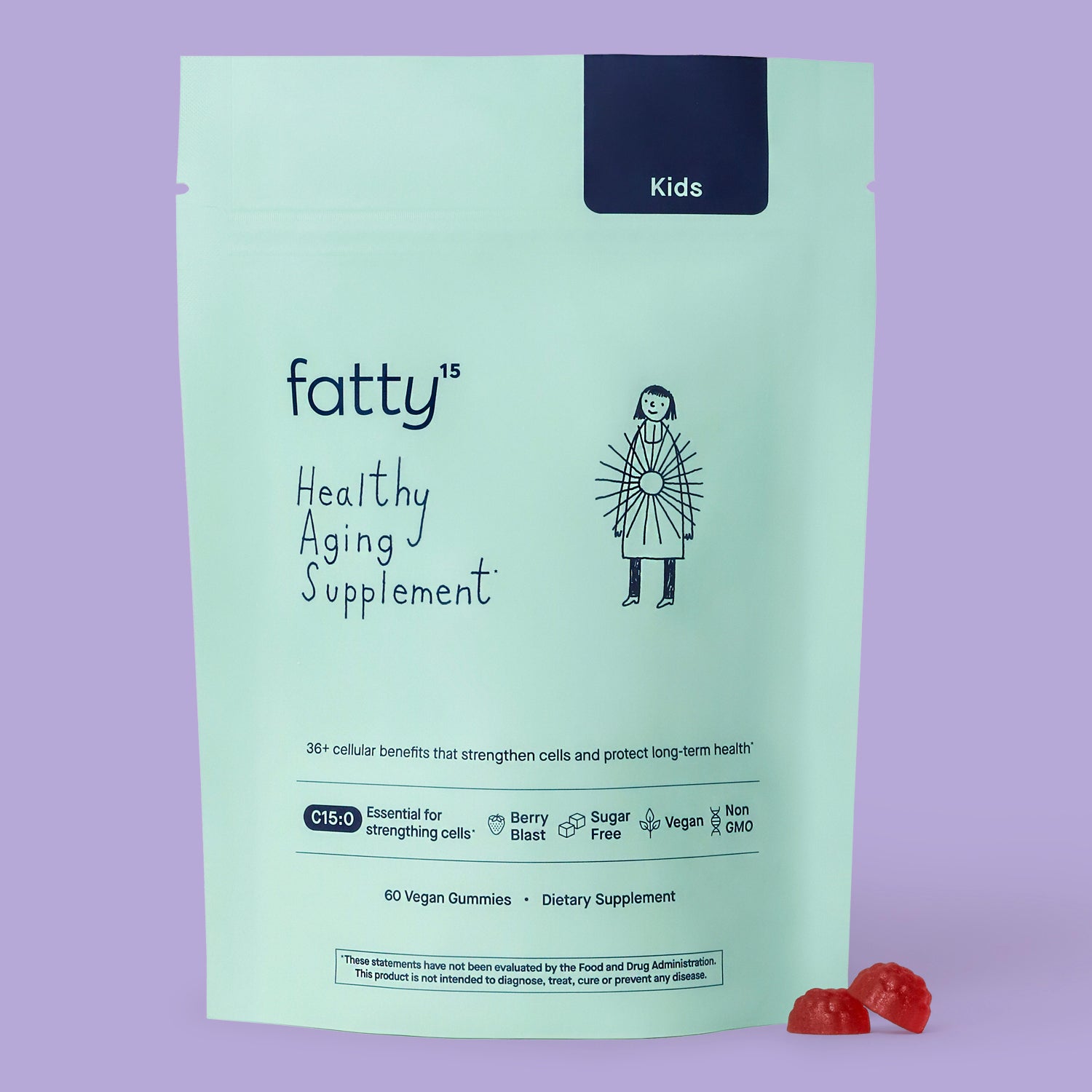
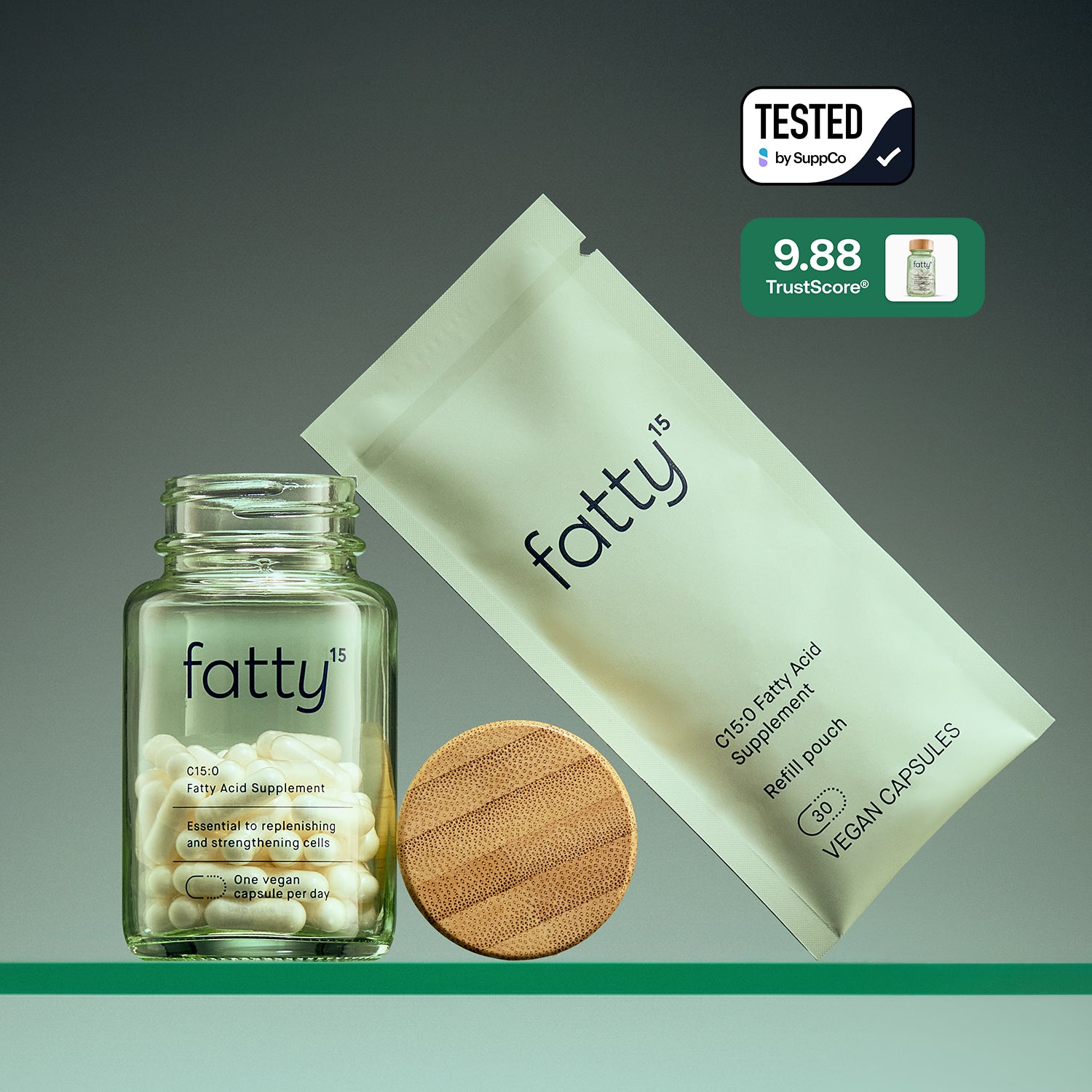
Fatty15’s C15:0 supplement. Fatty15’s C15:0 supplement delivers pure, patented, vegan-friendly and bioavailable C15:0 without the ‘bad’ proinflammatory fats. It's a different addition to a healthy aging stack than most of what's already on your shelf, less about topping off one nutrient and more about reinforcing the actual building material your cells are made of.
If your current supplement routine is handling the usual suspects, D3, B12, maybe a multivitamin, C15:0 might be the piece that's been missing without anyone telling you it existed, mostly because it's only recently been identified at all.
It's easy to build a supplement routine focused entirely on what your cells are doing: more energy, better sleep, sharper focus. It's just as worth asking what they're actually made of, and whether the walls holding everything together are getting the one nutrient they need to stay strong. Fatty15’s C15:0 supplement addresses aging from both aspects.
FAQs
What are the best supplements for healthy aging?
Vitamin D3, B12, magnesium, creatine, CoQ10, resveratrol, and NAC are among the most well-researched options for supporting healthy aging, each addressing nutrients or processes that commonly decline with age.
Which supplements should older adults avoid or use with caution?
High-dose vitamin E, extra iron without a diagnosed deficiency, St. John's Wort, and licorice root all carry increased risks for older adults, including bleeding risk, medication interactions, and effects on blood pressure. Talk to a doctor before starting any of these.
Is C15:0 a healthy aging supplement?
Yes. C15:0 is an essential fatty acid studied for its role in cell membrane strength and mitochondrial function, both of which are closely tied to cellular aging. Fatty15 delivers pure, patented, and bioavailable C15:0 in a vegan-friendly capsule.*
Can I take fatty15 alongside other healthy aging supplements, such as D3 or magnesium?
Generally, yes, since C15:0 works through a different mechanism than most vitamins and minerals. As with any supplement combination, it's a good idea to mention everything you're taking to your doctor, especially if you're managing a health condition or taking medication.
|
*These statements have not been evaluated by the Food and Drug Administration. This product is not intended to diagnose, treat, cure, or prevent any disease. |
Sources:


