


Healthy Aging for Every Decade: What Your Cells Need from Childhood Through Midlife and Beyond

Seraphina Therapeutics's Highlights
Aging is fundamentally a cellular process, and the habits we build in every decade, from childhood through our later years, help shape how well our cells hold up over time. Each life stage has its own priorities: building strong foundations in youth, protecting mitochondria and metabolism in early adulthood, preserving muscle and managing inflammation in midlife, and sustaining strength and nutrition in later decades. Alongside good nutrition and evidence-backed supplements, science supports C15:0, the pure essential fatty acid in fatty15, for strengthening cell membranes and supporting cellular health at every age.*
Aging isn't only something that happens to our skin or joints. It begins deep inside our cells. According to the World Health Organization, healthy aging means preserving the functional ability that supports well-being throughout life. The encouraging part is that the choices we make in every decade help shape how well our cells hold up over time.
Childhood and Adolescence: Building the Foundation
The early years set the stage. Nutrients like iron, vitamin D, calcium, omega-3s, and quality protein support brain, bone, and immune development.
This is also when we build peak bone mass, the maximum bone strength we'll reach, usually by our early twenties. Consistent sleep, regular activity, and balanced meals create cellular habits that pay off for decades.
Early Adulthood: Protecting Energy and Metabolism
Our twenties and thirties are the time to support mitochondrial health, the energy generators of our cells. Regular strength and aerobic exercise, varied nutrition, quality sleep, and limiting alcohol and other stressors all help mitochondria keep producing the energy our cells rely on. Tracking markers like body composition and blood pressure can flag accelerated aging early.
Midlife: The Critical Window
The late thirties through the sixties may be the most pivotal stretch. This is when muscle loss (sarcopenia) accelerates, so resistance training and ample protein become essential for maintaining strength and metabolism.
It's also when "inflammaging" and oxidative stress build, making anti-inflammatory foods and steady activity especially valuable. Science supports that midlife muscle strength, activity, and healthy blood pressure help predict cognition and vitality in later years.
Later Decades: Sustaining Strength and Vitality
In our sixties and beyond, the goal is independence. Resistance and balance exercises protect mobility, while slightly higher protein, plenty of fiber, key micronutrients, and good hydration help offset the reduced absorption and appetite that often come with age.
Where Supplements and C15:0 Fit In
Good nutrition is foundational at every age, and certain evidence-backed supplements can support cellular health along the way, including vitamin D, NAD+ precursors, and C15:0.
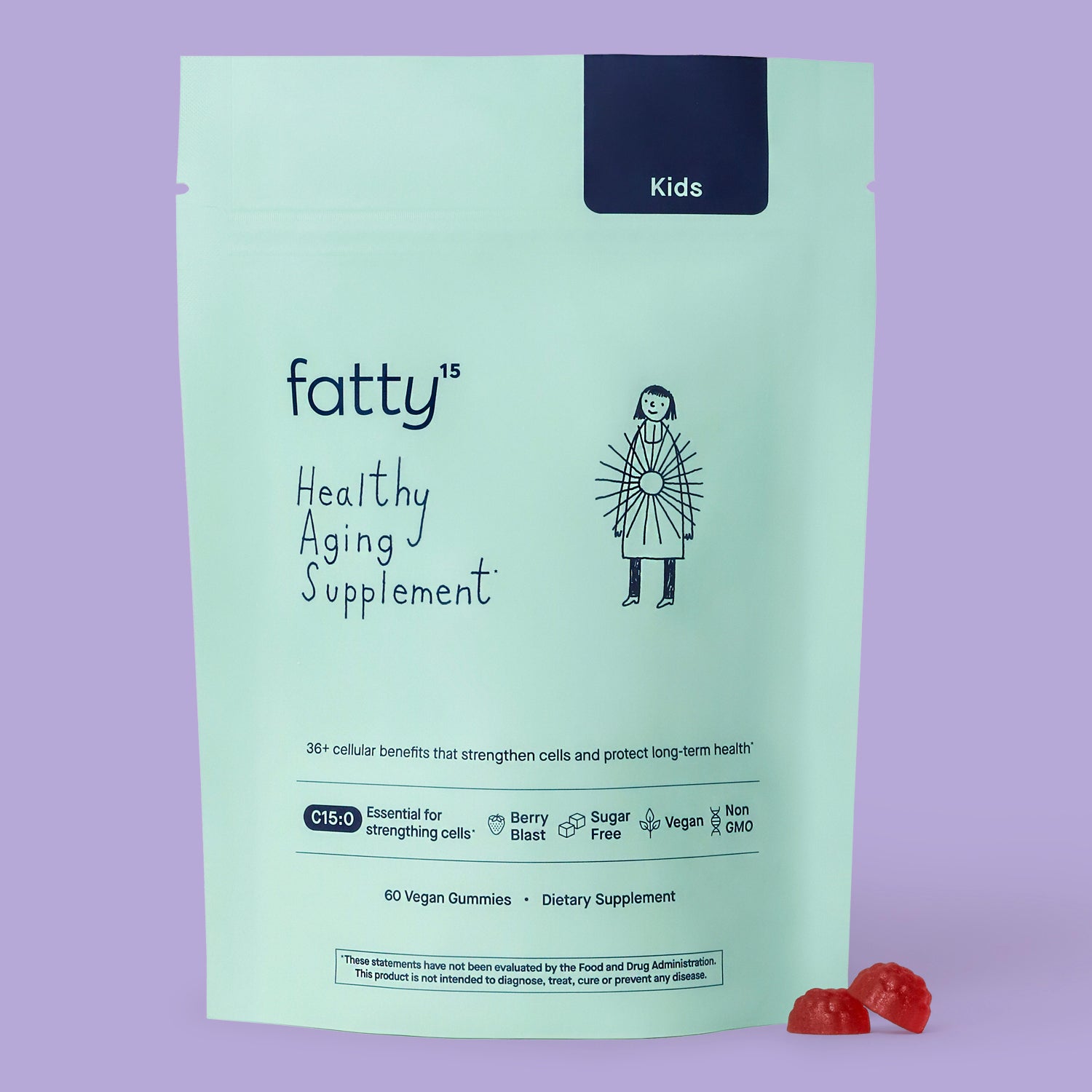
C15:0, the pure ingredient in fatty15’s C15:0 supplement, has a distinctive origin: it was discovered through research to support healthy-aging Navy dolphins and later studied in humans.
A growing body of evidence supports C15:0 as an essential fatty acid that gets into our cell membranes to help strengthen them, supports mitochondrial function, and helps promote healthy metabolism.*
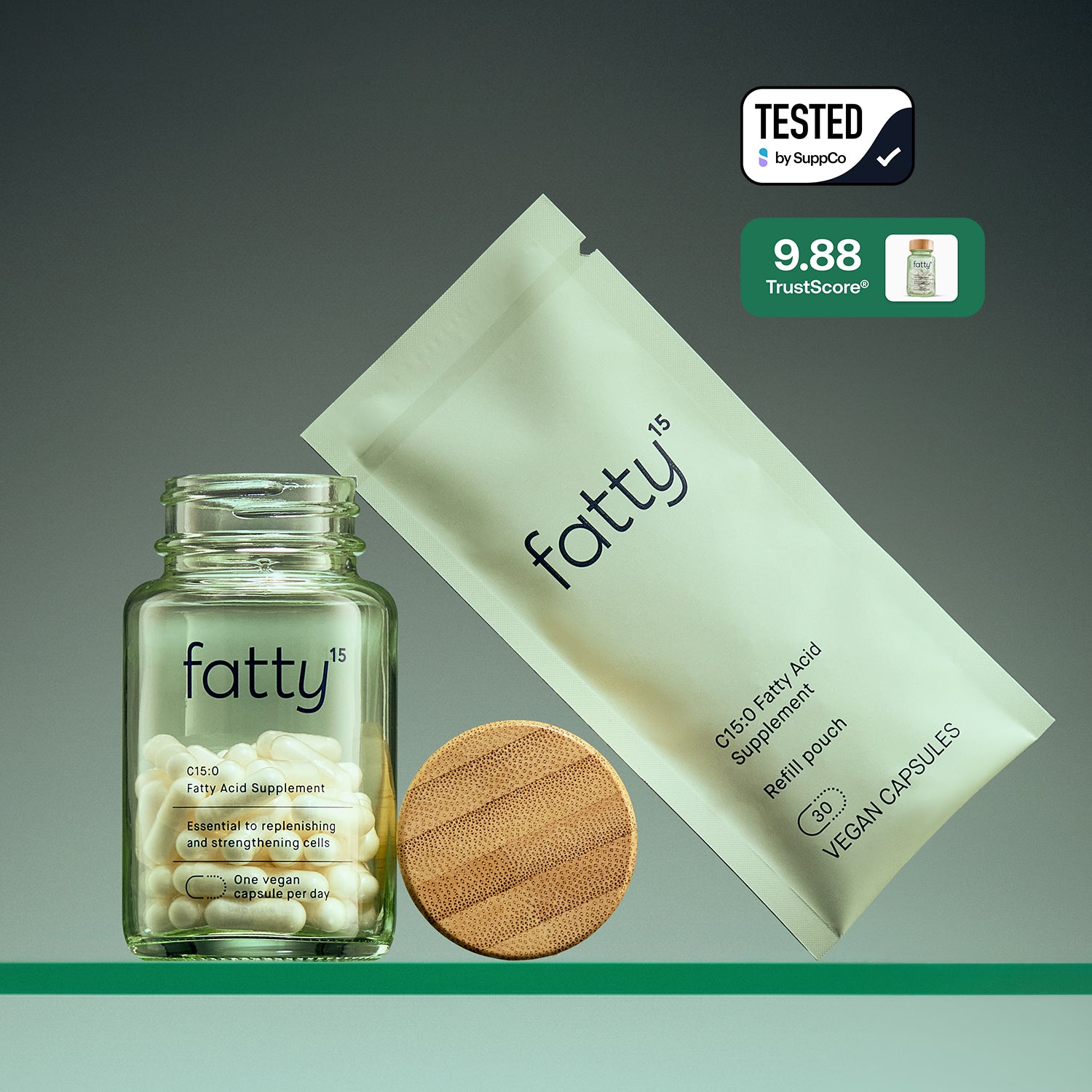
Backed by 150+ peer-reviewed studies, 60+ patents and third-party testing, fatty15 delivers pure C15:0 in a once-daily form to help support cellular health and healthy aging, at every stage of life.*
No matter your decade, it's wise to talk with your healthcare provider before starting any new supplement.
|
*These statements have not been evaluated by the Food and Drug Administration. This product is not intended to diagnose, treat, cure, or prevent any disease. |
Frequently Asked Questions
At what age does the human body begin to show signs of aging?
Subtle cellular changes can begin as early as the late twenties, but most people notice visible or metabolic signs of aging in their thirties and forties, such as changes in metabolism, skin, muscle mass, and energy.
Which supplements have the strongest scientific support for healthy aging?
Supplements with robust scientific backing for healthy aging include vitamin D, omega-3 fatty acids, NAD+ precursors, and C15:0 (fatty15), all of which have been shown to support cellular metabolism, repair, and resilience as we age.
How can nutrition and lifestyle choices in youth influence aging outcomes later in life?
Healthy nutrition, regular physical activity, and avoiding harmful exposures during childhood and adolescence help build strong cellular foundations, reducing chronic disease risk and promoting resilience in later decades.
Sources:


