


BRAT Diet for Kids: Everything You Should Know

Seraphina Therapeutics's Highlights
- The BRAT diet (bananas, rice, applesauce, and toast) was once a go-to for kids with diarrhea, but most experts no longer recommend it as the primary recovery plan.
- Today, a better approach is oral rehydration plus age-appropriate foods that a child can tolerate, while continuing breast milk or formula for infants.
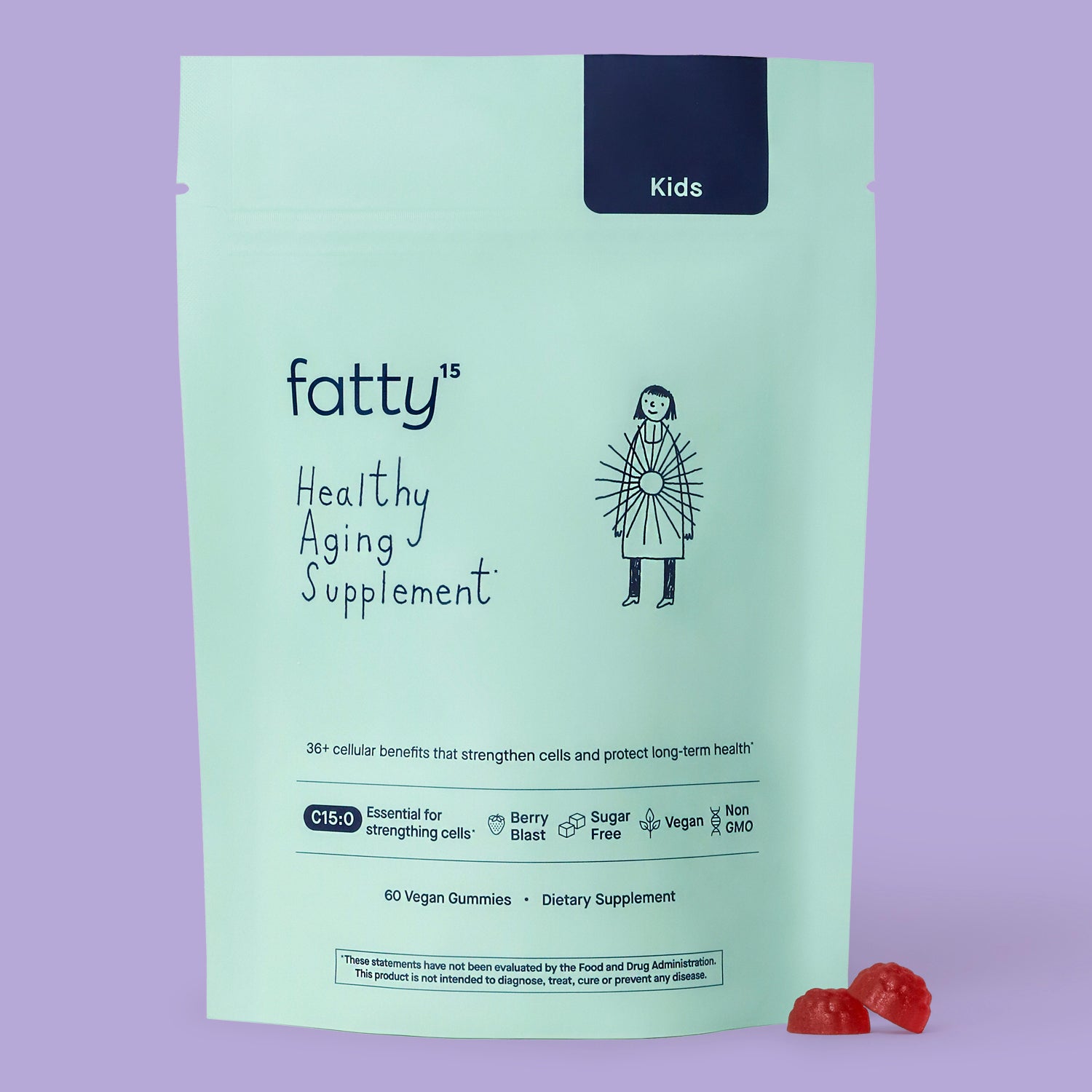
- During and after tummy troubles, kids still need foundational nutrition to support growth and cellular health. Fatty15 gummies are a delicious source of C15:0, an essential nutrient that supports cellular health and the gut microbiome.
- When a child has diarrhea, nausea, or a stomach bug, many of us reach for the same advice we heard growing up, which is to restrict them to the “BRAT” diet immediately. Bananas, rice, applesauce, and toast have long been treated as the safe, simple answer for upset stomachs in kids. But nutrition guidance has changed.
- Today, most pediatric experts no longer recommend the BRAT diet as the main strategy for helping kids recover from diarrhea. The reason? While BRAT foods may be bland and easy to tolerate for a short time, they are also too limited. They don’t provide enough protein, fat, or overall nutrition to help a child recover well.
- That doesn’t mean bananas, rice, applesauce, or toast are bad foods. It just means they shouldn’t be the entire upset tummy recovery plan.
- In this guide, we’ll explain what the BRAT diet is, why it became popular, and how recommendations have changed. We’ll also tell you what to give your kids instead and how to think about supporting recovery without losing solid nutrition to support your child’s growth, energy, and health.
What Is the BRAT Diet?
Simply stated, the BRAT diet is a diet of bananas, rice, applesauce, and toast. It became popular because these foods are bland, low in fiber, and usually easy on the stomach. For a kiddo who has tummy troubles, these foods have always been thought of as less likely to trigger vomiting or worsen symptoms.
For decades, parents were told to keep kids on these foods for a few days until their tummies had settled. The idea was that, by doing so, they’d “rest the gut” and aid in recovery. The advice has been used for years, which is why many of us naturally go to these foods when our kids are sick.
Why the BRAT Diet Was Used
The BRAT diet made sense in an older model of stomach-bug care. If a child had vomiting or diarrhea, the focus was often on giving the stomach a break, offering bland foods, and avoiding richer foods until things calmed down.
The problem is that the BRAT diet is too narrow . It is low in protein, low in fat, and not nutritionally complete. A child recovering from diarrhea or viral gastroenteritis still needs calories, nutrients, and hydration.
The NIDDK says that children with acute diarrhea should have their usual age-appropriate diet, and infants should continue breast milk or formula. It also says most experts do not recommend a restricted diet or fasting for acute diarrhea.
What Kids Should Eat Instead
The better approach for most kids is a normal, age-appropriate diet as soon as they can tolerate it.
That may still look gentle at first. A child who just got over vomiting may want small bites of familiar foods rather than a full meal, and that’s okay. The goal is to move away from unnecessary restriction and offer small portions of nutrient-dense foods.
Depending on the child and what they can handle, this may include:
-
crackers
-
oatmeal
-
yogurt, if tolerated
-
eggs
-
soup
-
pasta
-
potatoes
-
lean proteins
-
regular meals in smaller portions
Eating this way is a much more balanced and practical approach than the old BRAT-only idea.
What Matters Most: Hydration
More important than what a child eats when they have tummy troubles is how they stay hydrated.
The biggest immediate risk for many children with vomiting or diarrhea is dehydration, especially in infants and younger kids. This is why the main treatment for children with diarrhea is oral rehydration.
Signs that may point to dehydration include:
-
dry mouth
-
fewer wet diapers or less urine
-
dark urine
-
no tears when crying
-
unusual sleepiness
-
sunken eyes
-
irritability
-
weakness
If your child has severe vomiting or diarrhea for more than 8 hours, no urine for at least 8 hours, or dark urine with dry mouth and no tears, you should contact your pediatrician immediately. For babies, continuing breast milk or formula is especially important.
When BRAT Foods Still Make Sense
Even though the BRAT diet is no longer the main recommendation, BRAT foods can still have a place.
For example, if a child feels queasy and only wants bland foods for the first meal after they are ill, foods like bananas, rice, applesauce, and toast can be totally reasonable starting points. They are familiar, simple, and often easy to tolerate.
The difference is that now we think of them as bridge foods, not the whole treatment plan. This gives us flexibility without locking a child into a diet that is too restrictive for recovery.
Why Kids Still Need Good Nutrition During Recovery
When kids are sick, it is easy to focus only on short-term symptom control. But recovery does not happen in a vacuum. Children are still growing, and their brains are still developing, even when they are sick.
The cells in their bodies are still producing energy, building tissues, regulating metabolism, and supporting immune balance. For these processes to continue, nutrition is key.
A few bland foods might help a child ease back into eating, but long-term, kids need protein, healthy fats, vitamins, minerals, fluids, and enough overall energy to support growth and development. That’s a good reason to circle back to cellular health .
Strong development starts with strong cells. When a child’s cells are h healthy, they are better able to function, communicate, and recover from illness.
The Link Between Healthy Fats and Cellular Health
One of the biggest limitations of the BRAT diet is that it is almost completely missing healthy fats. Not having enough fat is detrimental to your child’s health because fats help support brain development, cell membranes, hormone signaling, and nutrient absorption. Kids especially need a solid nutritional foundation because their bodies and brains are changing so fast.
It’s important to understand, however, that not all fats are the same. A growing body of research suggests that some fats, even saturated ones, are not only good for us, but essential. Essential means the body needs them to thrive but cannot readily make them on its own. As such, we have to get these essential nutrients from our diets or through supplementation.
One such fat? Pentadecanoic acid, or C15:0 for short.
What Is C15:0?
C15:0 is an odd-chain saturated fatty acid with 100+ peer-reviewed papers supporting it as an essential nutrient , and the first essential fatty acid to be discovered in over 90 years.*
C15:0 is especially exciting because it helps support foundational parts of cellular health. Science supports that C15:0 supports healthy development from the very beginning, with studies associating it with stronger cell membranes that protect growing cells from breakdown.*
Research also suggests C15:0 targets key receptors linked to cognitive health, supports a healthy immune response, and promotes healthy metabolism and glucose response — all critical factors during children's formative years.*
This fatty acid also has an impressive track record with gut health. Over 80% of the body’s immune cells are located in the gut, which means we need to take special care to keep it regulated.
A team of researchers from the Department of Nutrition, Division of Gastroenterology, and Institute of Digestive Health Research from the Cleveland Medical Center and Case Western University discovered that C15:0 supported gut health by:
-
Protecting colon tissue
-
Lowering gut permeability
-
Calming overactive gut response
That broad role makes C15:0 important not just for adults, but for kids, too.*
Fatty15 Gummies for Kids Ages 4-12
For kids ages 4–12, fatty15 gummies offer a simple, kid-friendly way to help support healthy C15:0 levels during some of the most important years of growth and development.* Let’s be honest; real-life family nutrition is not always perfect. Kids can be picky, and tummy bugs happen. Some days, all they want is crackers and applesauce.
Giving your child a consistent, targeted source of C15:0 can help. Rather than hoping kids regularly get enough through food alone, fatty15 gummies give us a simple way to support healthy C15:0 levels.
FAQs
Why is the BRAT diet no longer recommended?
The BRAT diet is no longer recommended because it is too restrictive and does not promote proper nutrition during recovery from tummy troubles.
Is the BRAT diet healthy for kids?
The BRAT diet is no longer recommended. Instead, focus on hydration and age-appropriate foods as tolerated.
What do doctors recommend now instead of the BRAT diet?
Doctors now recommend a bland, low-fiber diet that includes lean proteins (chicken, turkey, eggs), cooked cereals (oatmeal, cream of wheat), boiled potatoes, saltine crackers, and brothy soups.
Bland but Nutrient-Dense Is Best
The BRAT diet is not exactly “wrong.” It is just outdated as a full solution.
Bananas, rice, applesauce, and toast can still be helpful, bland foods when a child is first easing back into eating after a tummy bug. Today’s guidance, however, is much clearer. Kids recovering from diarrhea usually do better with oral rehydration and a return to a normal, age-appropriate diet, not a prolonged restrictive diet.
That shift is important because children need more than bland foods to recover well. They need hydration, steady nourishment, and the foundational nutrients that help support growth, energy, and cellular health.
When we think about the bigger picture, C15:0 is important. It helps support strong cell membranes, healthy mitochondrial function, and key signaling pathways that matter for growing bodies.* For kids ages 4–12, fatty15 gummies offer a simple way to help support healthy C15:0 levels during these important years.*
|
*These statements have not been evaluated by the Food and Drug Administration. This product is not intended to diagnose, treat, cure, or prevent any disease. |
Sources:


