


10 of the Best Foods for Pregnancy: The Complete Guide

Seraphina Therapeutics's Highlights
- Some foods should be prioritized during pregnancy because they support a woman’s body and support the baby's development.
- Other foods should be avoided or eliminated because they could be harmful or haven’t been researched enough to be safe.
- Nutrition science is evolving, and including a nutrient like C15:0 in your prenatal diet can support cellular development.*
- When it comes to pregnancy nutrition, the conversation often starts with supplements. Prenatal vitamins are important, but they are not the full story. The foundation of a healthy pregnancy begins with food, including nutrient-dense, whole foods that provide the building blocks for both mom and baby.
- What we eat during pregnancy plays a role in how cells develop, how systems form, and how the body adapts to change. This is why food choices matter so much during this time. Instead of focusing on strict rules or perfect diets, it helps to focus on a handful of nutrient-rich foods that consistently support pregnancy at a foundational level.
- Let’s take a look at some of the best foods you can eat while pregnant, and which foods you should limit or avoid. We’ll also discuss a new nutrient that can help you support your baby’s health from the cells up.
1. Eggs
Eggs are often considered one of the most complete foods available, and during pregnancy, that reputation holds up. They provide high-quality protein, which supports tissue growth and repair, along with a wide range of vitamins and minerals.
One of the most important nutrients found in eggs is choline . This nutrient plays an important role in brain development and cellular signaling, yet many people don’t get enough of it through their diet. During pregnancy, the need for choline increases, making eggs an especially valuable addition to daily meals.
Beyond choline, eggs also contain vitamin B12, selenium, and healthy fats, all of which contribute to overall metabolic and cellular function. Their versatility makes them easy to include in a variety of meals, from simple breakfasts to more balanced, protein-rich dinners.
2. Leafy Greens
Leafy greens such as spinach, kale, and Swiss chard are packed with nutrients that support both maternal health and fetal development. They are rich in folate , which is essential for DNA synthesis and cell division, particularly in early pregnancy.
These vegetables also provide iron, magnesium, and fiber. Iron supports oxygen transport, magnesium contributes to muscle and nerve function, and fiber helps maintain digestive balance, which can become a challenge during pregnancy.
What makes leafy greens especially valuable is their ability to support multiple systems at once. They contribute to energy levels, support cellular processes, and help maintain overall balance within the body.
3. Salmon
Fatty fish like salmon are widely recognized for their content of omega-3 fatty acids, particularly DHA. These fats are essential for brain and eye development and play a role in supporting healthy inflammation responses.
During pregnancy, DHA becomes especially important as the baby’s brain develops rapidly. Including salmon in the diet a few times per week can help support this process while also providing high-quality protein and important micronutrients like vitamin D.
It’s important to choose sources that are low in contaminants and properly cooked, but when selected carefully, salmon can be one of the most beneficial additions to a pregnancy diet.
4. Greek Yogurt
Dairy foods have gone through waves of changing recommendations over the years. More recently, nutritional guidelines have shifted to recognize that whole dairy can be part of a balanced diet, even during pregnancy.
Greek yogurt, in particular, provides protein, calcium, and probiotics that support digestion and bone health. Whole-fat dairy products also contain fat-soluble vitamins that contribute to nutrient absorption and cellular function.
One of the more interesting developments in nutrition science is the renewed interest in certain fatty acids found in whole-fat dairy. Among these is C15:0, a fatty acid that is now being recognized for its role in supporting cellular health.*
While dairy can be one source of C15:0, the amount obtained through food alone may vary depending on dietary patterns. This has led to a broader conversation about how to consistently support optimal levels of this nutrient. Don’t worry, there’s an easier way to get it, which we’ll cover.
5. Lentils and Legumes
Lentils, beans, and other legumes provide a rich source of plant-based protein, along with iron, folate, and fiber. These nutrients are essential during pregnancy, particularly for supporting blood production and digestive health.
Iron from plant sources is not always absorbed as efficiently as iron from animal sources, but pairing legumes with vitamin C-rich foods can help improve absorption. This simple approach allows these foods to play a meaningful role in supporting overall nutrient intake.
Legumes also contribute to stable energy levels, helping to avoid the spikes and crashes that can come with more processed foods.
6. Berries
Berries such as blueberries, strawberries, and raspberries are rich in antioxidants, which help protect cells from oxidative stress. During pregnancy, this kind of support becomes especially important as the body undergoes rapid change.
In addition to antioxidants, berries provide vitamin C, which supports immune function and helps with the absorption of iron from plant-based foods. Their natural sweetness makes them an easy addition to meals or snacks, offering both nutritional value and enjoyment.
7. Avocados
Avocados are known for their healthy fat content, but their benefits go beyond that. They provide potassium, fiber, and a range of vitamins that support overall health during pregnancy. Healthy fats play an important role in nutrient absorption, particularly for fat-soluble vitamins. They also contribute to satiety, helping to maintain steady energy levels throughout the day.
Including avocados in meals can enhance both the nutritional profile and the overall balance of the diet.
8. Lean Meats
Lean meats such as chicken, turkey, and beef provide high-quality protein and iron, both of which are essential during pregnancy. Protein supports tissue growth, while iron helps maintain adequate oxygen transport as blood volume increases.
Choosing properly cooked, high-quality sources helps ensure safety while maximizing nutritional benefits. These foods can be especially helpful for individuals who may struggle to meet their iron needs through plant-based sources alone.
9. Nuts and Seeds
Nuts and seeds offer a combination of healthy fats, protein, and micronutrients that support overall health. They are particularly rich in magnesium, which plays a role in muscle function and cellular balance.
They also provide a convenient way to add nutrient density to meals or snacks without requiring extensive preparation. Their versatility makes them an easy and effective addition to a pregnancy diet.
10. Sweet Potatoes
Sweet potatoes are a highly nutrient-dense carbohydrate that provides steady, sustained energy, which is something that becomes increasingly important during pregnancy. They are rich in beta-carotene, which the body converts into vitamin A as needed.
This is important because vitamin A plays a role in fetal growth and development, but getting it from beta-carotene allows the body to regulate conversion naturally, avoiding the risks associated with excess preformed vitamin A.
Sweet potatoes also provide fiber, which supports digestive health, along with vitamin C and potassium, both of which contribute to overall balance and cellular function. Their natural sweetness and versatility make them easy to incorporate into meals, whether roasted, mashed, or added to more intricate dishes.
As a whole-food source of key nutrients, they offer a simple and effective way to support both maternal health and fetal development.
Foods To Limit or Avoid
While many foods support a healthy pregnancy, some are best limited or avoided. Raw or undercooked foods can carry bacteria that may be harmful during pregnancy. High-mercury fish should also be avoided due to potential impacts on fetal development. Excessive caffeine intake is another area where moderation is important.
Highly processed foods, while convenient, often lack the nutrient density needed during pregnancy and may contribute to imbalances in energy and overall health. Focusing on whole foods as the foundation of the diet helps naturally reduce reliance on these options.
A New Perspective on Maternal Nutrition
As we continue to learn more about nutrition, we understand that consistency and balance are more important than perfection. Pregnancy is a time to provide the body with the nutrients it needs to support the dynamic process of building a new life.
Whole foods form the foundation of this approach, offering a wide range of nutrients in forms the body can readily use. At the same time, new discoveries are expanding our understanding of what optimal nutrition looks like.
The Role of C15:0 in Modern Maternal Nutrition
C15:0, also known as pentadecanoic acid, is an emerging essential nutrient that is gaining attention for its role in cellular health.* It supports cell membrane stability , mitochondrial function , and key signaling pathways that influence how the body responds to stress and maintains balance.*
During pregnancy, these functions become even more important. The body is building new cells at an incredible rate, and supporting their structure and function may have lasting effects. While small amounts of C15:0 can be found in whole-fat dairy, obtaining consistent levels through diet alone can be challenging.
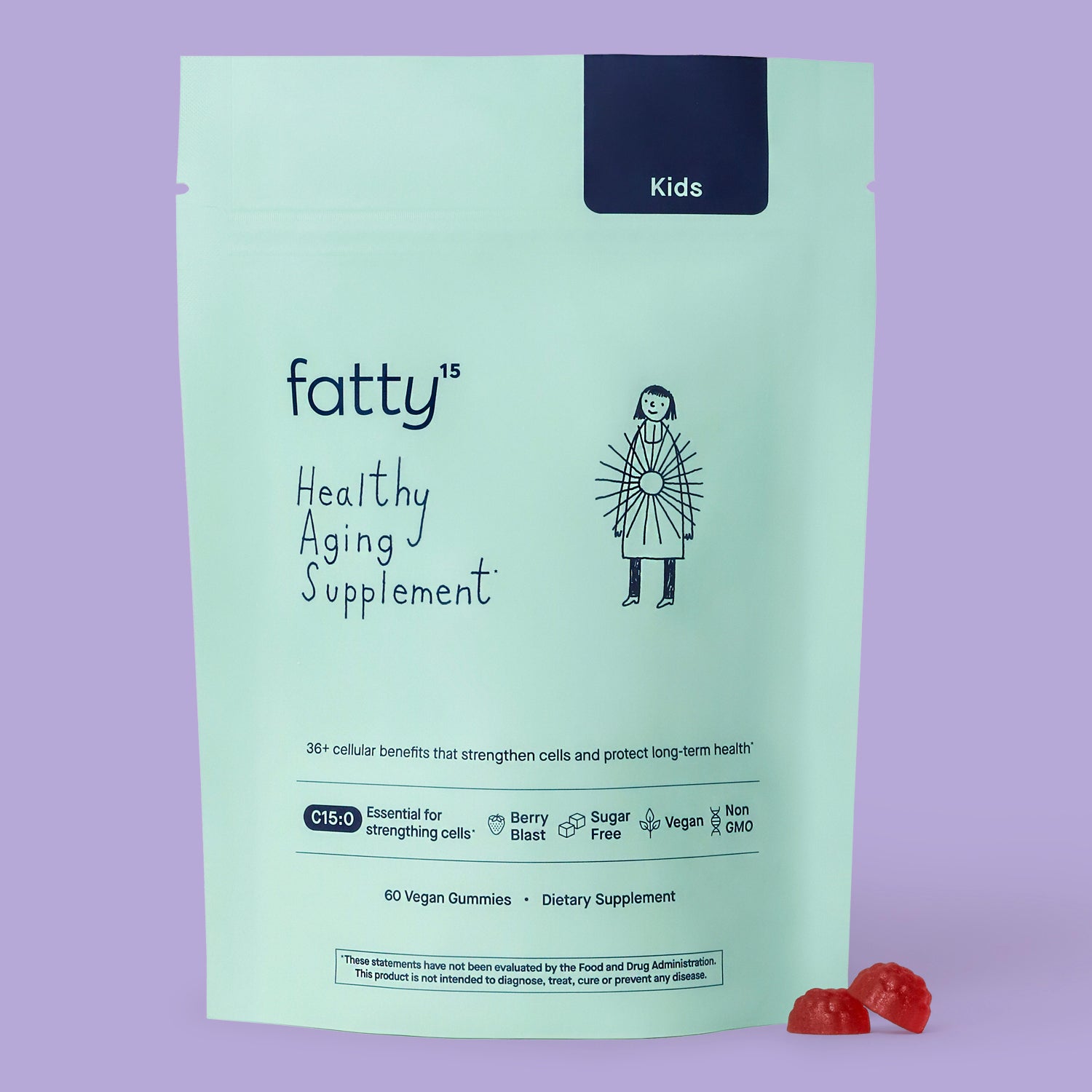
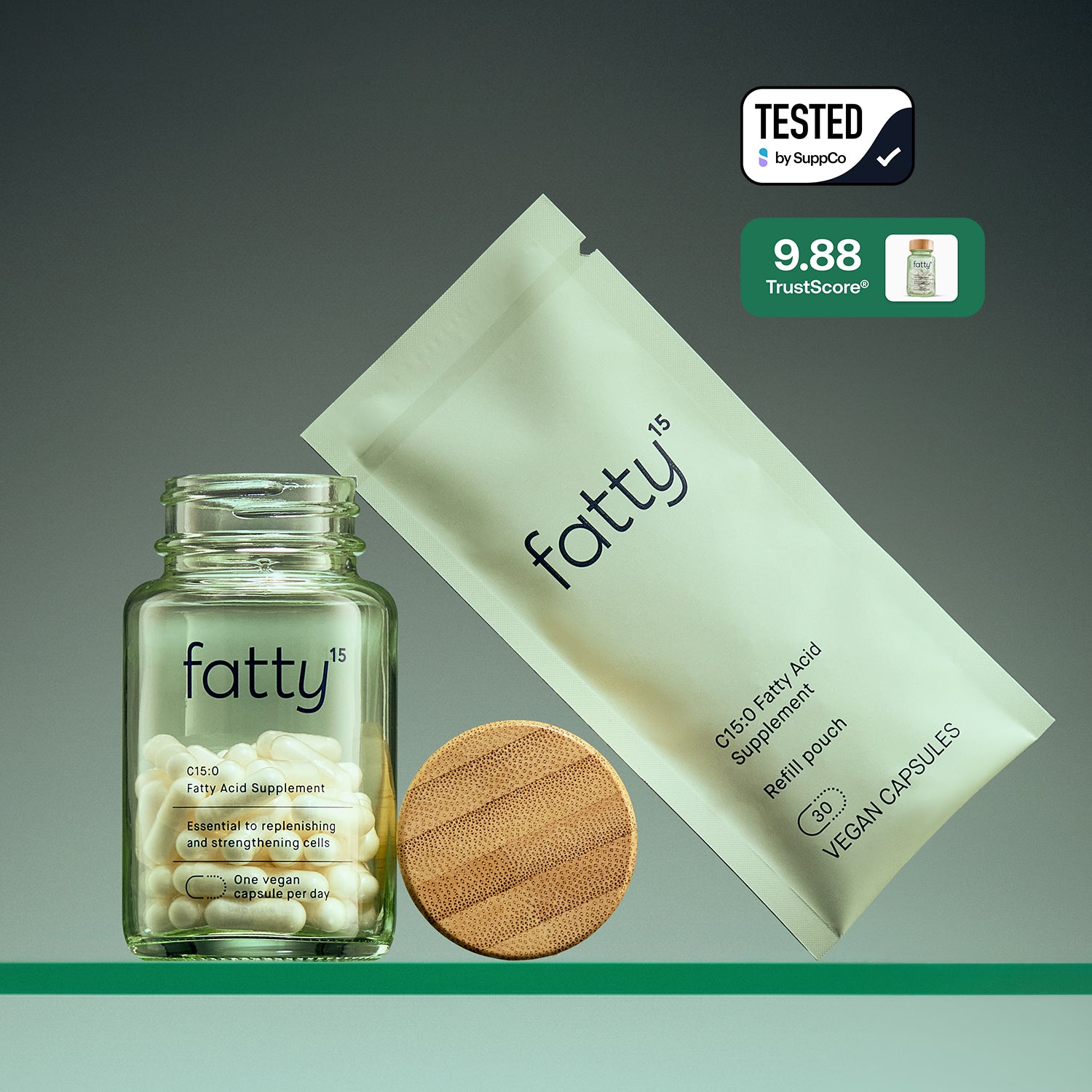
Fatty15 is the first and only supplement, born of scientific research , that provides a pure, vegan-friendly form of C15:0 that is stable and ready to absorb. This allows for a more reliable way to support cellular health without relying solely on dietary intake.
Importantly, C15:0 has been studied for safety and is considered safe for use during pregnancy and breastfeeding, making it a practical addition to a well-rounded nutritional approach.* There’s also additional research about how important it is for children to get enough C15:0 in their diets to support healthy child growth and development.
Eating Well for Mom and Baby
The best foods for pregnancy are simple, whole, and nutrient-dense foods that support the body at a fundamental level. By focusing on foods like eggs, leafy greens, salmon, dairy, legumes, berries, avocados, lean meats, and nuts, we can provide the nutrients needed to support both mom and baby.
By being mindful of what to limit, we can reduce unnecessary risks without creating stress or restriction. It’s important to talk to your doctor if you have questions about the safety of a certain food.
By staying open to new insights, including the role of essential nutrients like C15:0, we can continue to refine how we support health during this important time. Pregnancy nutrition doesn’t have to be overwhelming. It can be grounded, intentional, and supportive, built on a foundation of real food and evolving science.
FAQs
What food is best for a pregnant woman?
A balanced diet of protein, fruits, vegetables, and whole grains is recommended. Sweets and fats should be kept to a minimum
What are 5 foods to avoid while pregnant?
To ensure a healthy pregnancy, avoid foods that carry risks of bacterial contamination, such as Listeria or Salmonella, or high mercury levels. Top foods to avoid include raw/undercooked meat and seafood, unpasteurized dairy, soft cheeses (brie/feta), high-mercury fish (shark/swordfish), and raw eggs.
Is CoQ10 safe during pregnancy?
CoQ10 is generally considered likely safe in moderation during pregnancy, and it is often used to support egg quality before conception.
What type of choline is best for pregnancy?
The best forms of choline for pregnancy are phosphatidylcholine (found in food) and choline bitartrate (common in supplements).
Sources:


