



10 Ideas for a Balanced Diet for Children 5–12 Years Old

Seraphina Therapeutics's Highlights
- A balanced diet for kids should supply them with steady energy, growth, and long-term health.
- Building meals around whole foods, healthy fats, and adding variety supports body and brain development.
- Emerging science shows that C15:0 may play a foundational role in children’s growth, metabolism, and cellular health.*
- When we consider a balanced diet for kids ages 5 to 12, we need to start the conversation around variety and sustenance, not restriction or rules. Fundamentally, we need to supply them with a diet that supports growth, learning, energy, and long-term health.
- These are the years when habits are formed, bodies grow rapidly, and brains develop at an incredible pace. What we feed our kids during this stage shapes how they thrive for years to come. Instead of trying to make their diets “perfect,” let’s focus on consistency, variety, and nutrient density.
- This guide will give you an idea of what that might look like in practice.
What “Balanced” Really Means for Kids
A balanced diet helps kids consistently get a mix of the core nutrients their bodies need to thrive.
These include:
-
Proteins for growth and muscle development
-
Healthy fats for brain function and hormones
-
Carbohydrates for energy
-
Vitamins and minerals for overall health
-
Fiber for digestion and gut health
At this age, kids are active, growing, and constantly learning. Their bodies need reliable fuel that doesn’t leave them spiking and crashing throughout the day.
One way to approach a balanced diet is to think of every meal as an opportunity to combine protein, healthy fat, and fiber-rich carbohydrates. This simple pattern is easy to do in practice and helps establish a solid nutritional foundation.
1. Build Breakfasts That Actually Fuel the Day
Breakfast sets the tone of their day. It can be a challenge to provide a meal that will give them steady energy and focus with so many sugar-heavy breakfast options on the grocery store aisle.
Balanced breakfast ideas
-
Scrambled eggs, whole-grain toast, and fresh fruit
-
Greek yogurt, berries, and granola
-
Oatmeal, nut butter, and banana
-
Smoothie made with milk, frozen fruit, oats, and nut butter
Protein and fat are key to making breakfast filling and sustainable throughout the morning. They slow down digestion and prevent mid-morning crashes.
2. Make Lunches Balanced and Realistic
Lunch should be practical, portable, and something your kids will actually eat. Try including a protein source, colorful fruit or vegetable, and a healthy fat.
Balanced lunch ideas
-
Turkey and cheese sandwich, apple, and carrots
-
Chicken wrap, hummus, and cucumber slices
-
Pasta salad with olive oil, veggies, and protein
-
Rice bowl with grilled chicken, avocado, and veggies
This combination helps keep energy stable through the afternoon.
3. Prioritize Whole, Nutrient-Dense Snacks
Kids snack, it’s part of their rhythm. Instead of trying to eliminate their snacks, try giving them a healthy upgrade.
Balanced snack ideas
-
Apple slices with peanut butter
-
Cheese and whole-grain crackers
-
Yogurt with honey and fruit
-
Trail mix with nuts and dried fruit
-
Smoothies
Snacks are a powerful opportunity to fill in nutritional gaps and help hold appetites until mealtime.
4. Build Dinners Around Simplicity and Variety
Dinner doesn’t need to be complicated to be nutritious. Focus more on consistency rather than elaborate meal plans, and you’ll be more successful with fast-moving, picky eaters.
Balanced Dinner Ideas
-
Grilled chicken, roasted vegetables, and rice
-
Salmon, sweet potatoes, and broccoli
-
Ground beef tacos with lettuce, avocado, and beans
-
Pasta with meat sauce and a side salad
When building meals, think of protein as the anchor. Add vegetables for nutrients and fiber, and healthy fats for absorption and satiety.
5. Don’t Fear Healthy Fats
For years, fat was misunderstood, especially in children’s diets. Now we know that healthy fats are essential, particularly for growing brains and bodies. In fact, kids naturally rely on fat for brain development, hormone production, energy, and nutrient absorption.
When we think of healthy fats, we think of avocados, olive oil, seeds, nuts, Greek yogurt, and nut butters, but it can be hard to think of creative ways to get these foods into our kids’ bodies.
One way to do it is to blend them in or “hide” them in options like smoothies or sandwiches. Sprinkling granola with chia seeds or using olive oil instead of other cooking oils are also easy swaps that can net you big benefits in your kids’ diets.
The Role of C15:0
While we’re talking about healthy fats, let’s talk about C15:0. If you’ve never heard of it, there’s a good reason why. C15:0 is an odd-chain, saturated fatty acid found in trace amounts in full-fat dairy products, like whole milk.
Let’s be honest, most of us aren’t drinking whole milk these days, or giving it to our kids. Even though dietary guidelines have changed and brought whole milk back into the healthy diet conversation, getting enough C15:0 is still difficult, and it’s important that we get enough.
Research shows that higher levels of C15:0 are associated with:
-
Healthy body growth*
-
Cognitive development*
-
Healthy liver function*
-
Healthy blood pressure*
These are foundational systems that shape a child’s health trajectory. Unfortunately, it’s estimated that 1 in 3 people have C15:0 levels that are too low.
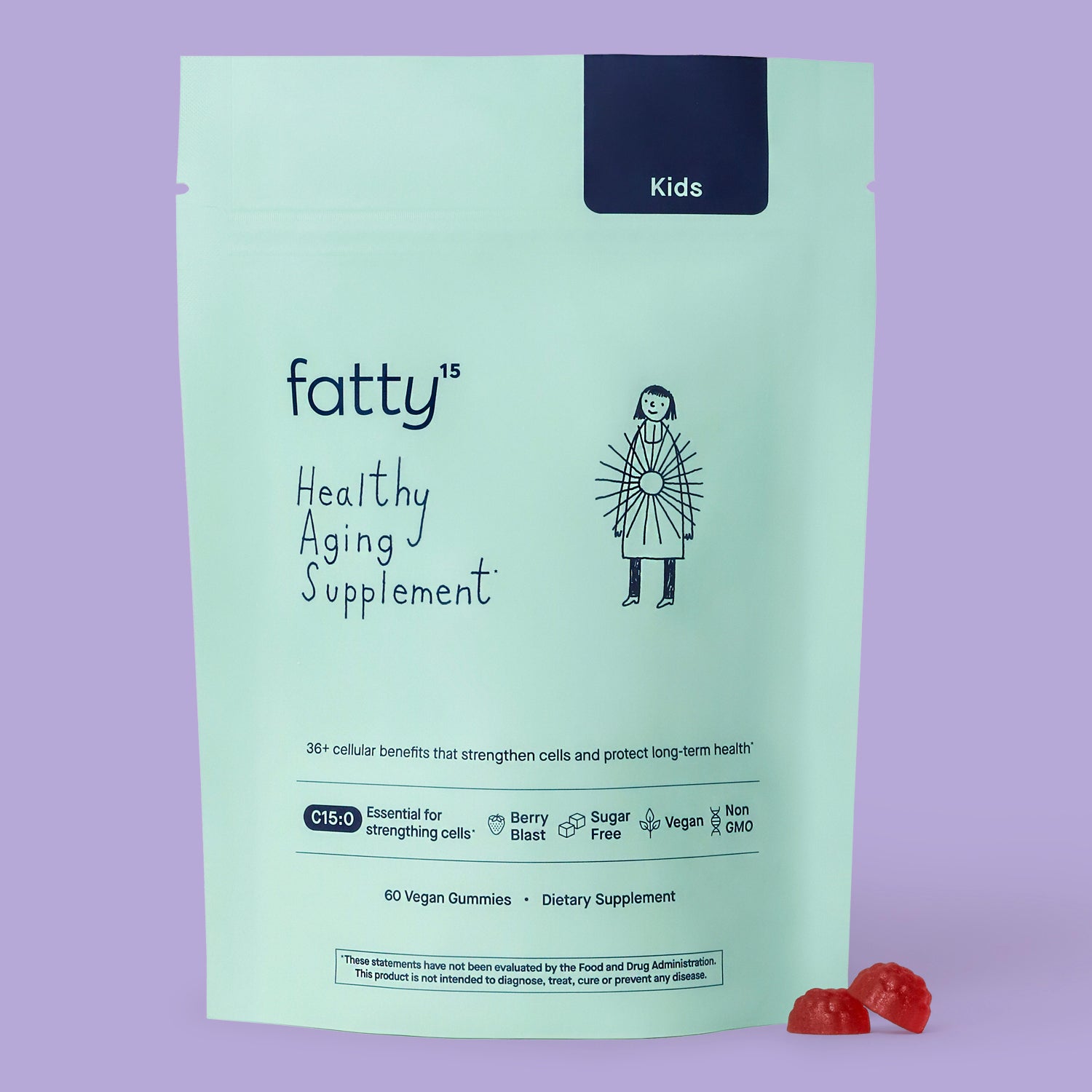
That’s a big problem, and one that is easily remedied with fatty15 gummies . These gummies provide all the C15:0 a child needs, and nothing they don’t. They’re a delicious way to get a healthy, essential fat into your child’s body without any arguments or issues.*
6. Include High-Quality Dairy (When Tolerated)
Even though dairy is back on the menu, it doesn’t mean that everyone needs it or that it is required. If your child has lactose intolerance, that makes getting dairy in their diet more of a challenge, and by extension, C15:0.
The best choices for dairy now include whole milk, full-fat yogurt, cheese, and butter, but always in moderation.
There are other issues with whole dairy. While it does provide benefits like trace amounts of C15:0, it also contains a higher profile of “bad,” even-chain saturated fats, excess calories, and sugar (from lactose). Consuming these foods in moderation can be part of a balanced diet, but it’s the most efficient way to get enough C15:0 in your child’s body, which is why fatty15 is so important.
Fatty15 is also vegan-friendly and sustainable , giving you even more peace of mind about the choices you make for your kids.
7. Focus on Color and Variety
One of the easiest ways to ensure you are feeding your kids a balanced diet is by asking how many colors are on their plates. Different colors can represent different nutrients. Greens contain folate and magnesium, orange vegetables and fruits contain beta-carotene, and so on. The more colorful the plate, the more nutrient-dense the meal.
8. Keep Sugar in Perspective
It’s unlikely you’ll successfully eliminate all added sugar from your child’s diet, but you can establish some parameters while still letting them be kids.
Avoid sugary cereals and processed snacks, and opt for frequent servings of whole fruit, fiber, and protein-rich meals, which reduce cravings. The occasional treat is fine and should be enjoyed. When kids are well-fed with protein, fats, and fiber, sugar cravings often decrease on their own.
9. Hydration Matters
Water is often overlooked, but it’s essential for energy levels, focus, digestion, and physical performance. Those pricey designer water bottles aren’t just for show; they’re an excellent source of hydration for your kids. Limit sugary beverages and aim for water to be your child’s primary drink.
10. Make Food a Positive Experience
Most importantly, remember that kids are impressionable. The experiences they have now last a lifetime.
When approaching their nutrition, let a balanced diet be the basis of a positive food experience. Focus on creating relaxed mealtimes and avoiding pressure over eating certain foods or amounts. Encourage exploration of new foods by offering them, and by modeling healthy habits, but never force your kids to eat something they don’t like.
Long-term health comes from building trust and curiosity around food that isn’t moralized with “good” or “bad.”
Is Nutrition Really a Big Deal for Kids?
Nutrition plays a central role in how children grow, think, and feel every day. From supporting brain development and focus in school to helping build strong muscles, bones, and immune systems, what kids eat directly influences how their bodies function.
During these formative years, consistent access to nutrient-dense foods helps create a stable internal environment where children can thrive physically, emotionally, and cognitively. At the same time, nutrition works at a deeper level, supporting cellular health, metabolic balance, and long-term resilience.
When children regularly receive key nutrients, including essential fatty acids like C15:0, their bodies are better equipped to support energy production, maintain healthy systems, and adapt to everyday stressors.* This is why a balanced diet helps build a strong foundation for lifelong health.
FAQs
What's a balanced diet for a 12-year-old?
Twelve-year-olds should aim for 4 servings of lean protein, 4-6 servings of fruits and vegetables, 6-11 servings of whole grains, and 3 servings of fats per day.
What is the 3 3 3 rule for eating?
The 3-3-3 rule is a sustainable, habit-based lifestyle framework designed to simplify healthy eating and weight loss. It focuses on three core pillars: eating three balanced meals a day, drinking three bottles of water by 3 p.m., and engaging in three hours of exercise per week.
What is a balanced diet for a 5-year-old child?
Children aged 4-8 years should aim for 1½ serves of fruit; 4½ serves of vegetables; 1½-2 serves of dairy; 4 serves of cereals and grains; and 1½ serves of lean meats, eggs, nuts, seeds, or legumes.
What are the nutritional needs for 5 to 12-year-olds?
Caloric needs range from 1400 to 2000 calories per day. Children 5-12 should aim for 4-6 ounces of protein, 1.5 to 2 cups of fruits, 1.5 to 3 cups of vegetables, and 5-7 ounces of grains per day.
The Balancing Act
Chasing perfection with your kids’ diets is a task that can be overwhelming and frustrating to everyone involved. Instead, aim to build consistency.
A balanced diet for children comes down to simple, repeatable habits: real food, steady meals, healthy fats, and a variety of nutrients that support growth from the inside out. When we focus on what we can add, like more color, more whole foods, more nourishment, we naturally create a healthier, more sustainable way of eating that kids can carry with them for life.
And as we continue to learn more about nutrition, we’re reminded that true health starts at the cellular level. Supporting children with the right building blocks (including essential nutrients like C15:0) helps promote resilience, energy, and long-term wellness.*
As parents, we won’t get every meal perfect, but we can help our kids create a strong, supportive foundation that allows them to grow, thrive, and feel their best every day.
|
*These statements have not been evaluated by the Food and Drug Administration. This product is not intended to diagnose, treat, cure, or prevent any disease. |
Sources:
Dietary Guidelines for Americans


