


2025 Essential Anti-Aging Supplements | Fatty15

Sharlyne Poggio's Highlights
Aging well is no longer just about genetics—it’s about making evidence-driven choices that actively support your long-term health and vitality. In 2025, a new wave of anti-aging supplements is reshaping what it means to age gracefully, blending innovative science with proven, peer-reviewed results.
This guide distills the most compelling, research-backed options for healthy aging, from newly discovered essential fatty acids to time-tested antioxidants. Each supplement here is carefully selected for its clinical validation, safety, and ability to address the biological hallmarks of aging.
Whether your focus is cognitive resilience, skin health, or metabolic balance, discover which options merit a place in your longevity stack and how to use them as part of a holistic, sustainable aging strategy.
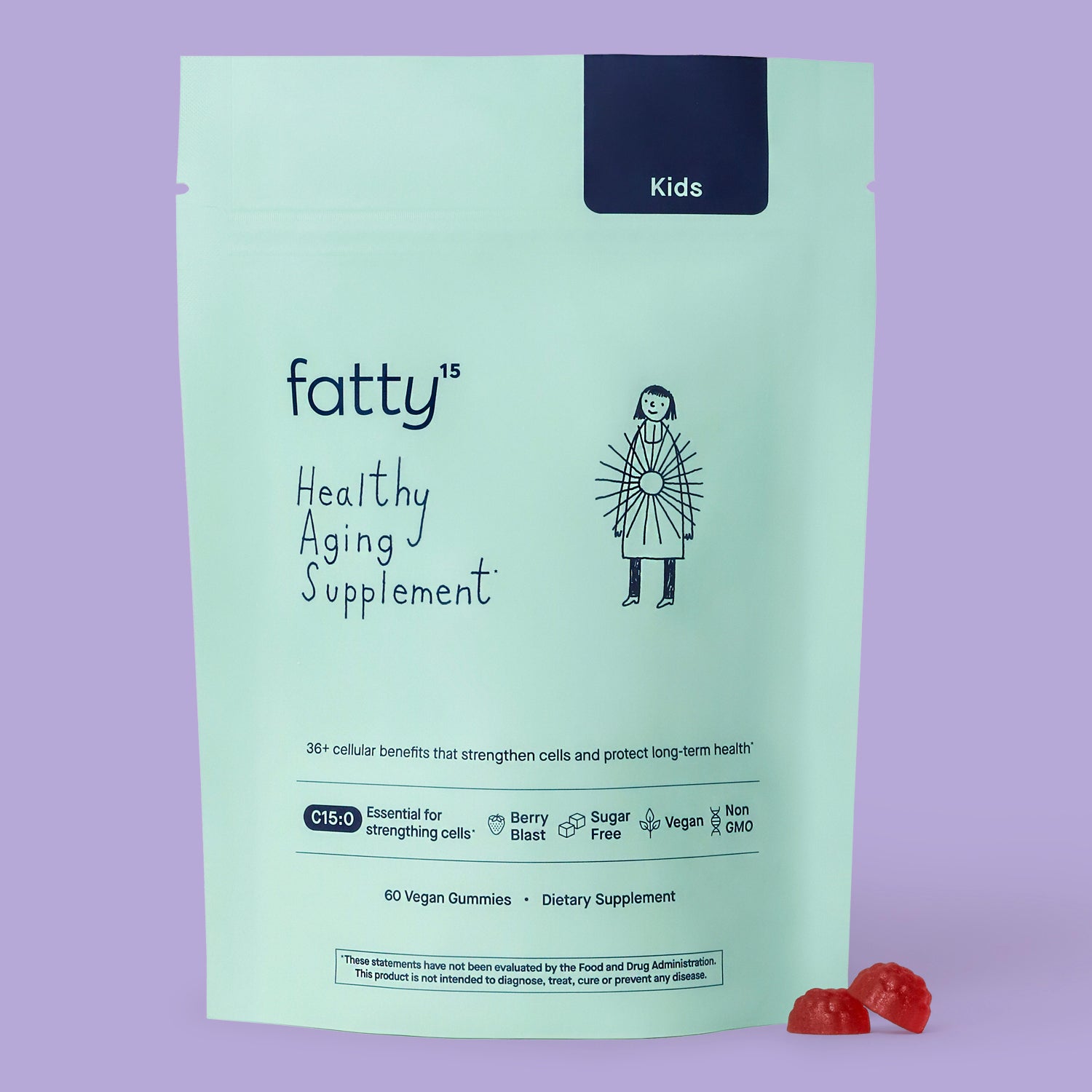
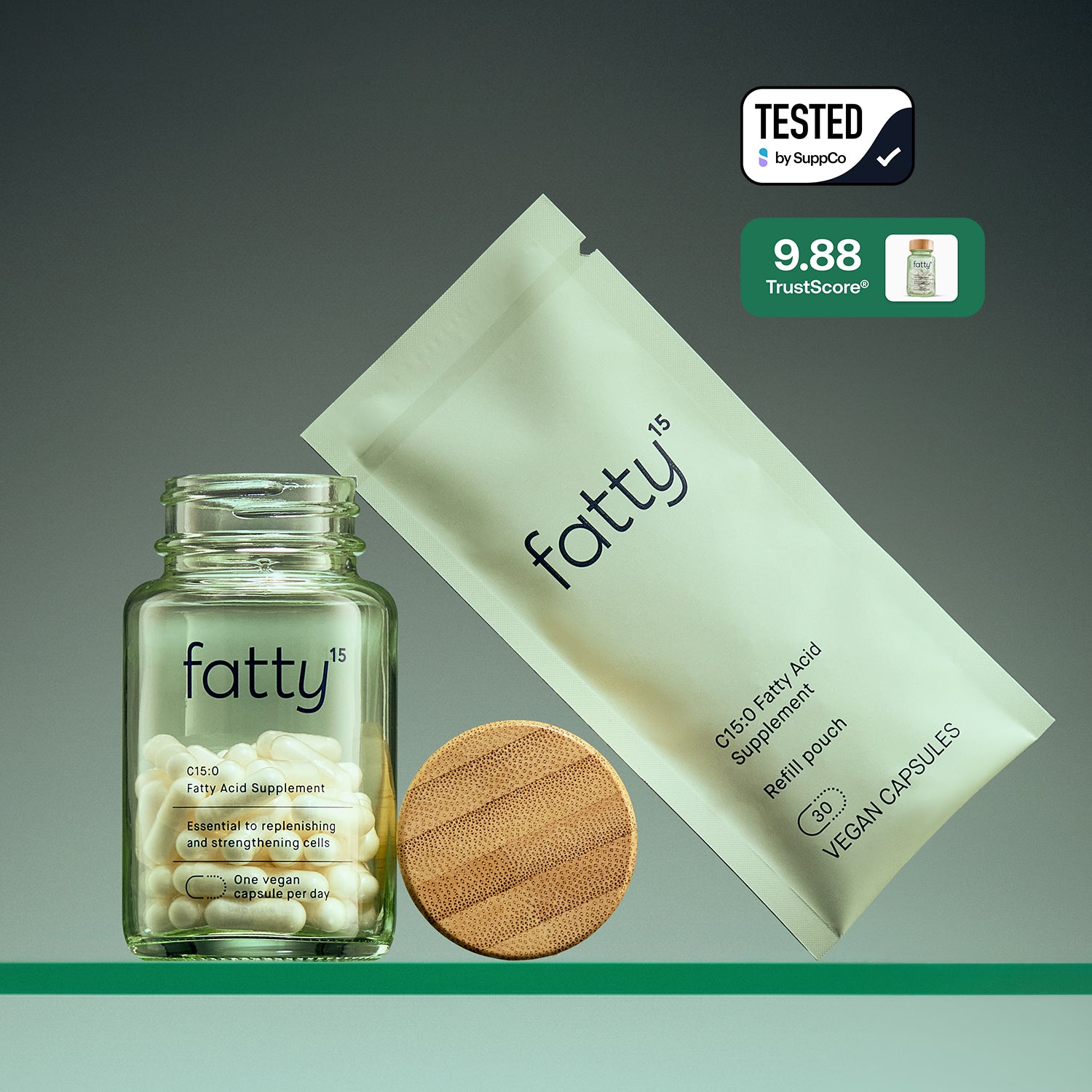
Fatty15 by Seraphina Therapeutics C15:0 Supplement
Among the most exciting advances in healthy aging is the discovery of C15:0 (pentadecanoic acid), an essential fatty acid linked to cellular health, metabolic stability, and resilience. Fatty15, developed by Seraphina Therapeutics, harnesses this molecule’s potential, building on groundbreaking research originally conducted by doctors working to improve the long-term health of Navy dolphins.
Unlike omega-3s, C15:0 strengthens and improves the health of our cells, resulting in supported metabolic, liver, immune, and red blood cell health. What sets the C15:0 ingredient in fatty15 apart is that its health benefits are supported by over 100 peer-reviewed studies, 60+ global patents, and rigorous third-party validation.
Studies support that C15:0 supplementation can slow cellular aging, support mitochondrial function, and promote a healthy immune response—key drivers of age-related decline. This science-driven approach positions fatty15 as a leading healthy aging and longevity supplement.
For a deeper look at the clinical science and unique advantages of fatty15 and C15:0, explorecomprehensive science resources and deep dives.
Omega-3 Fatty Acids for Cardiovascular and Cognitive Health
Omega-3 fatty acids remain a gold standard for heart and brain health, supported by decades of peer-reviewed research. These essential fats, found primarily in fish oil and some plant sources, reduce inflammation, lower cardiovascular risk, and support cognitive function, especially in midlife and older adults. According to recent longevity supplement rankings, omega-3s consistently top the charts for their inflammation-lowering and neuroprotective effects.
Plant-based options, such as algae-derived omega-3s, offer the same EPA and DHA benefits with an eco-friendly, allergen-free profile. In 2025, omega-3s are widely recommended for anyone seeking to support cardiovascular and cognitive longevity.
Collagen for Skin Elasticity and Hydration
Collagen is the body’s primary structural protein, vital for maintaining youthful skin, joint flexibility, and hydration. As we age, our natural collagen production declines, leading to wrinkles and loss of skin elasticity. Randomized controlled trials have demonstrated that collagen supplementation can improve skin hydration and elasticity, with many experts including collagen in top anti-aging supplement lists for 2025.
While some clinical limitations exist, the consensus supports collagen’s role in skin health. When comparing collagen to alternatives like hyaluronic acid or ceramides, collagen remains the most comprehensively studied for deep structural support:
|
Supplement |
Main Benefit |
Evidence Strength |
|
Collagen |
Elasticity, hydration, wrinkles |
High |
|
Hyaluronic Acid |
Surface hydration |
Moderate |
|
Ceramides |
Barrier repair |
Moderate |
Vitamin D’s Role in Bone Health and Immune Support
Vitamin D is essential for bone strength, calcium absorption, and balanced immune function. Often misunderstood, vitamin D acts more as a hormone than a simple nutrient, orchestrating critical processes that sustain healthy aging. Studies show that sufficient vitamin D can improve bone density, reduce cardiovascular risks, and strengthen immune defenses.
Clinical guidelines recommend supplementation for adults at risk of deficiency, particularly those with limited sun exposure or darker skin tones. In 2025, vitamin D is a foundational part of the evidence-based anti-aging toolkit.
Nicotinamide Riboside to Boost Cellular Energy and Repair
Nicotinamide Riboside (NR) is a form of vitamin B3 that raises NAD+ levels—a coenzyme central to DNA repair, energy metabolism, and cellular resilience. With age, NAD+ declines, contributing to fatigue and impaired cellular repair mechanisms. NR, alongside related precursors, has shown promise in replenishing NAD+ and supporting healthy aging.
NR features prominently in 2025 longevity supplement lists, outperforming direct NAD+ supplementation in bioavailability and safety. Here’s how NR compares to other NAD+ boosters:
|
NAD+ Precursor |
Mechanism |
Human Evidence |
Safety Profile |
|
NR |
Increases NAD+ via salvage pathway |
Strong |
Excellent |
|
NMN |
Direct NAD+ precursor |
Moderate |
Excellent |
|
NAD+ |
Direct supplementation |
Limited |
Good |
Resveratrol as an Antioxidant and Longevity Enhancer
Resveratrol, a polyphenol found in grapes and red wine, is renowned for its antioxidant activity and potential to activate sirtuin pathways—mimicking the benefits of caloric restriction. While large-scale human trials are ongoing, preclinical studies and small trials suggest that resveratrol may help slow cellular aging, reduce inflammation, and protect heart health.
Resveratrol is regularly featured on authoritative anti-aging supplement lists, although experts advise combining it with a diet rich in natural sources (like berries and peanuts) for a balanced approach.
Curcumin’s Anti-Inflammatory and Antioxidant Benefits
Curcumin, the active compound in turmeric, is celebrated for its ability to inhibit inflammation and neutralize free radicals that accelerate aging. Laboratory and clinical studies confirm curcumin’s role in reducing systemic inflammation and oxidative stress, making it a staple in longevity supplement stacks for 2025.
However, curcumin has low natural bioavailability. Formulations paired with black pepper extract (piperine) or advanced delivery systems are recommended to enhance its absorption and efficacy.
Zinc for Immune Function and Skin Repair
Zinc is a critical trace mineral supporting immune defense, wound healing, and DNA synthesis. Deficiency increases with age, impairing immune response and slowing tissue repair—key concerns for older adults. Zinc appears on nearly every best-of aging supplement list for its broad, foundational benefits.
Signs of zinc insufficiency include:
- Delayed wound healing
- Frequent infections
- Diminished sense of taste or smell
- Skin rashes or hair loss
Magnesium’s Impact on Metabolism and Cognitive Function
Magnesium serves as a cofactor in over 300 biochemical reactions, regulating energy production, mood, and neuronal health. Recent studies highlight magnesium’s protective effects against cognitive decline and metabolic dysfunction in aging populations.
A stepwise guide for magnesium optimization:
- Evaluate : Test serum or RBC magnesium if fatigued or experiencing muscle cramps.
- Supplement : Choose bioavailable forms (magnesium glycinate, citrate).
- Track : Monitor symptoms and retest as needed to avoid excess.
Creatine for Cellular Energy and Muscle Support
Creatine, long known for its athletic performance benefits, is gaining traction as a healthy aging supplement. It increases cellular ATP availability in muscle and brain tissues, supporting strength, energy, and even cognitive function in older adults.
Recent research supports its safety and effectiveness beyond athletes, with creatine emerging as a unique tool for maintaining muscle mass and combating age-related frailty. Compared to other muscle support supplements, creatine stands out for its extensive evidence and broad utility.
Coenzyme Q10 To Protect Against Oxidative Stress
Coenzyme Q10 (CoQ10) is vital for mitochondrial energy production and acts as a powerful antioxidant, defending cells from age-related oxidative stress. Supplementation is associated with improvements in cardiovascular function, energy, and overall resilience in aging populations.
There are two primary forms:
- Ubiquinone : Original, well-studied form
- Ubiquinol : More bioavailable, especially useful for older adults
CoQ10 is especially recommended for individuals taking statins, as these medications can lower natural CoQ10 levels.
L-Taurine and Cardiovascular Longevity
L-taurine, an amino acid present in many tissues, regulates electrolyte balance, supports cardiac output, and protects against cellular stress. Recent studies link taurine supplementation to reduced inflammation, enhanced stress resilience, and improved cardiovascular health.
While taurine is found in animal proteins, supplementation may be beneficial for those on plant-based diets or with increased cardiovascular risk.
EGCG from Green Tea and Cellular Renewal
EGCG (epigallocatechin gallate) is a potent polyphenol in green tea, widely recognized for activating AMPK and promoting autophagy—critical processes for cellular renewal and disease prevention. Peer-reviewed studies confirm EGCG’s safety and cardiovascular benefits, elevating it to top-tier status among plant-based longevity supplements.
Compared to other antioxidants:
- EGCG : Autophagy, heart health, cancer protection
- Resveratrol : Sirtuin activation, anti-inflammatory
- Curcumin : Inflammation control, oxidative stress
NAD+ Precursors for Enhanced Cellular Function
The rise of NAD+ precursor supplements reflects a surge in demand for cellular repair and metabolic longevity. NAD+ is essential for mitochondrial function, DNA repair, and energy production—yet levels decline with age.
Clinical reviews consistently rank NAD+ support among the most impactful anti-aging interventions for 2025. Here’s a quick summary of leading options:
|
Supplement |
Pathway |
Key Benefit |
Evidence Strength |
|
NR |
NAD+ salvage |
Energy, DNA repair |
Strong |
|
NMN |
Direct precursor |
Mitochondrial support |
Growing |
|
NAD+ |
Direct supplement |
Uncertain bioavailability |
Limited |
Algae-Derived Omega-3 as a Sustainable Plant-Based Option
Algae-sourced omega-3s provide EPA and DHA—the same active components as fish oil—in a vegan-friendly, sustainable package. Clinical evidence confirms their equivalence in supporting inflammation reduction, brain function, and cardiovascular health.
Compared to marine sources, algae omega-3s offer:
- Equal efficacy for EPA/DHA levels
- No fish allergens
- Lower environmental footprint
Injectable Supplements for Targeted Absorption and Energy
Injectable anti-aging supplements, such as NAD+, L-carnitine, and vitamin B12 blends, are gaining popularity for their rapid absorption and direct cellular effects. These therapies may benefit those with malabsorption, chronic fatigue, or advanced aging concerns, though they should be administered under medical supervision.
|
Injectable |
Main Benefit |
Potential Risks |
|
NAD+ |
Energy, cell repair |
Injection-site reactions |
|
L-carnitine |
Mitochondrial support |
Rare muscle cramps |
|
Vitamin B12 |
Neurological support |
Minimal, well-tolerated |
Frequently Asked Questions
What are the most effective anti-aging supplements supported by research?
The most effective anti-aging supplements in 2025 include NAD+ precursors like NMN and NR, vitamin D, collagen, and plant-based antioxidants, and essential fatty acids like C15:0, all supported by emerging or established scientific studies.
How do these supplements scientifically support healthy aging?
These supplements work by supporting cellular repair, enhancing energy metabolism, reducing inflammation, and defending against oxidative stress—key factors in slowing the aging process.
Are anti-aging supplements safe to use long term?
Most anti-aging supplements are considered safe for healthy adults when taken as recommended, but consult with a healthcare provider, especially if you have health conditions or take medications.
Who can benefit most from taking anti-aging supplements?
People at risk for nutrient deficiencies or those seeking to optimize cellular health as they age may benefit, but individual needs and timing should be discussed with a healthcare professional.
How should I incorporate supplements into a healthy aging routine?
Supplements should complement a balanced diet, regular exercise, and healthy lifestyle habits, and they are most effective when tailored to your personal health profile.


